Virtual Hospitals: From Science Fiction to Sustainable Reality (Prof. Dr. Mehdi Ebady Manaa)
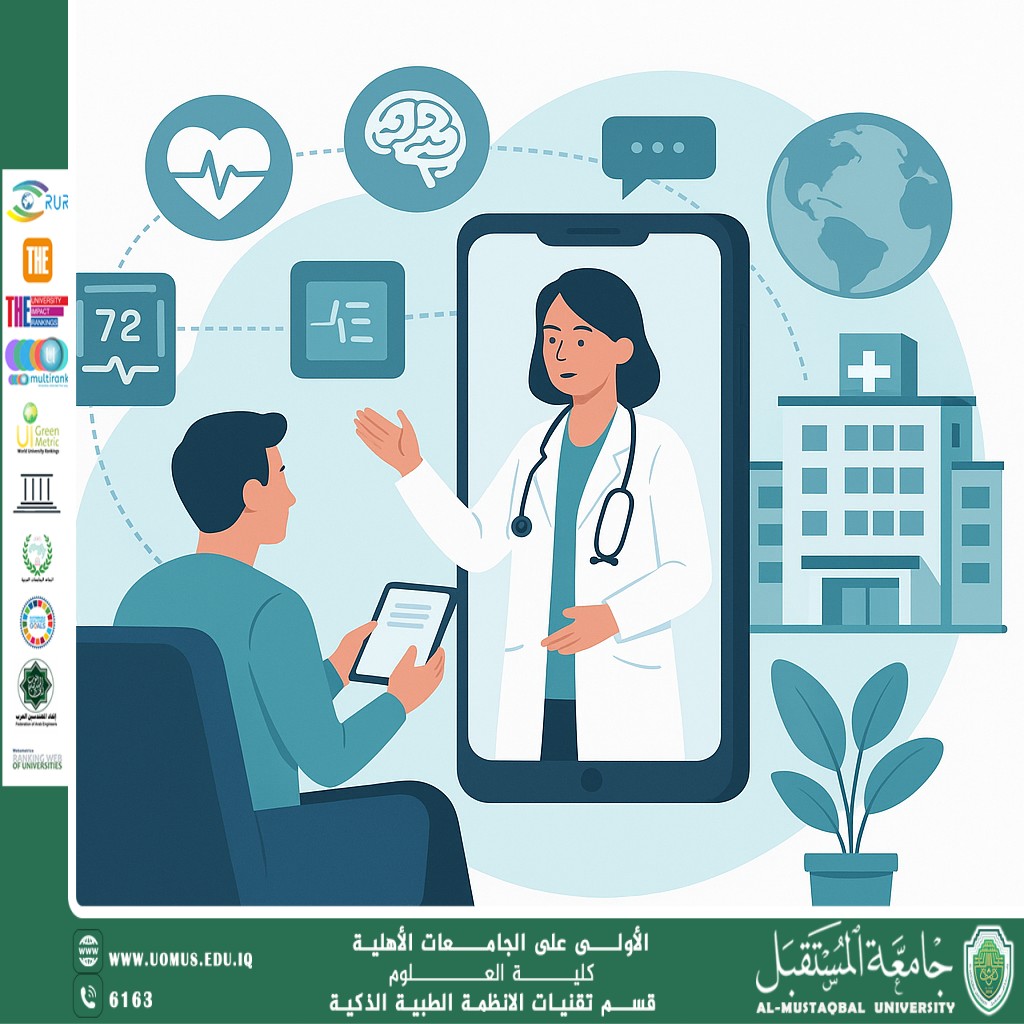
Decades ago, the idea of "virtual hospitals" seemed closer to science fiction than to reality. Imagine a patient receiving medical consultation through a phone screen, or undergoing precise tests from home without the need to travel. Today, thanks to technological advances and digital transformation in healthcare, virtual hospitals have become a tangible reality that contributes to improving quality of life and easing the burden on healthcare systems worldwide.
The Concept of the Virtual Hospital
A virtual hospital is a digital environment that provides healthcare services online through technologies such as:
• Telemedicine.
• Internet-connected home health monitoring devices.
• Artificial intelligence for data analysis and preliminary diagnosis.
• Integrated electronic health records.
This concept enables patients to access diagnostic, consultation, follow-up, and even rehabilitation services without being physically present inside a hospital.
Health and Social Benefits
1. Expanding access to care: Virtual hospitals grant patients in remote or underserved areas access to specialized medical services.
2. Reducing infections and epidemics: By decreasing traditional hospital visits, the risk of spreading infectious diseases is reduced.
3. Improving healthcare system efficiency: By lowering congestion and allocating resources to more critical cases.
4. Supporting mental health: Providing online therapy sessions without restrictions of time or place.
Environmental and Sustainability Dimension
Virtual hospitals not only improve health but also represent an important step toward environmental sustainability:
• Reducing carbon emissions: Less patient travel for medical visits reduces transport-related emissions.
• Conserving energy consumption: Reduced reliance on massive infrastructure required by traditional hospitals.
• Reducing medical waste: Especially from routine tests and procedures that can be carried out at home.
Linking Virtual Hospitals to the Sustainable Development Goals (SDGs)
• Goal 3 (Good Health and Well-being): Virtual hospitals provide comprehensive and affordable care, enhancing health equity.
Future Challenges
Despite their advantages, virtual hospitals face challenges, such as:
• Protecting medical data and ensuring privacy.
• Guaranteeing digital equity in communities with limited internet access.
• Building trust between patients and digital systems.
What was once considered science fiction has now become a reality leading us toward more efficient, humane, and environmentally conscious healthcare. Virtual hospitals are not merely a digital medical transformation; they are a fundamental pillar for achieving sustainable development and building a healthier, more inclusive future for coming generations.
Al-Mustaqbal University the first university in Iraq.