The Impact of Colored Contact Lenses on Ocular Oxygenation and Visual
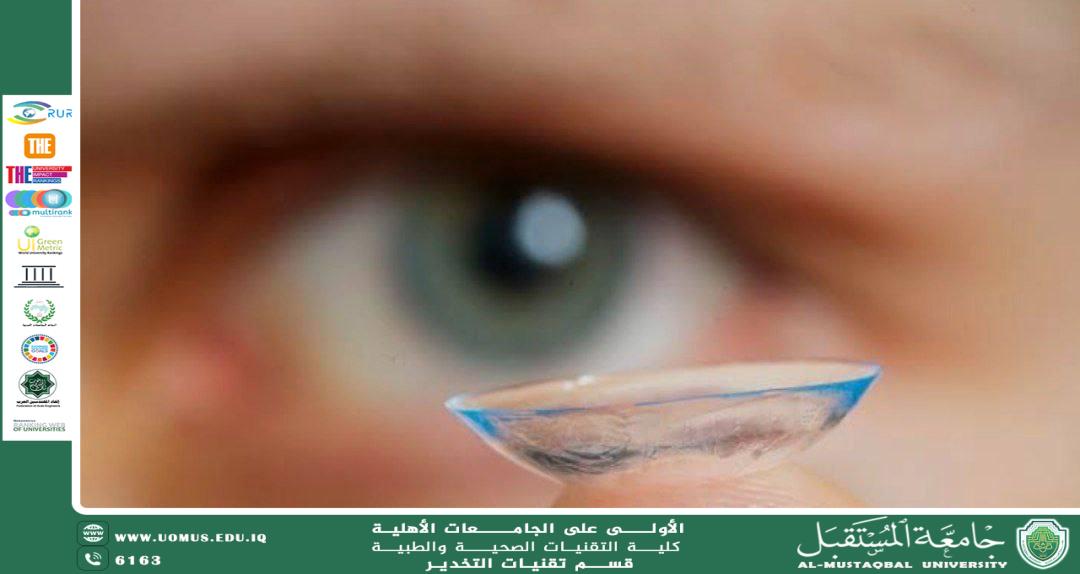
...Colored contact lenses have become increasingly popular worldwide, primarily for cosmetic purposes and aesthetic enhancement. Despite their widespread use, concerns have emerged regarding their potential adverse effects on ocular health, particularly their impact on corneal oxygenation and visual performance. The cornea is an avascular tissue that relies heavily on atmospheric oxygen diffusion to maintain its transparency, metabolic balance, and visual function. Any reduction in oxygen transmission can lead to corneal hypoxia, which may compromise visual acuity and long-term eye health.
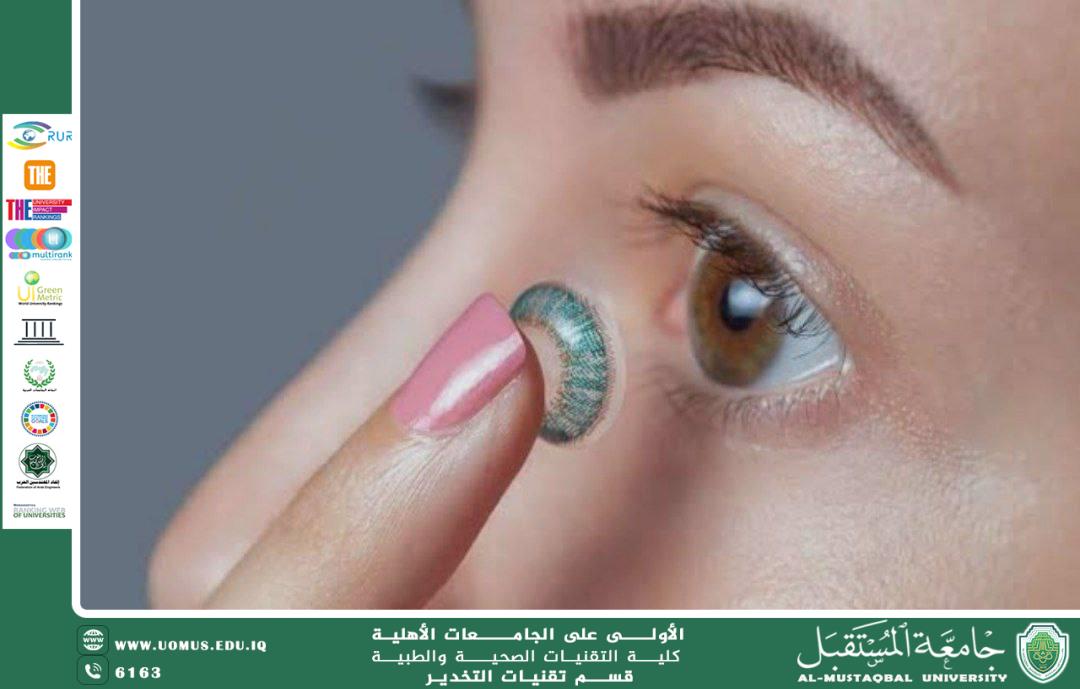
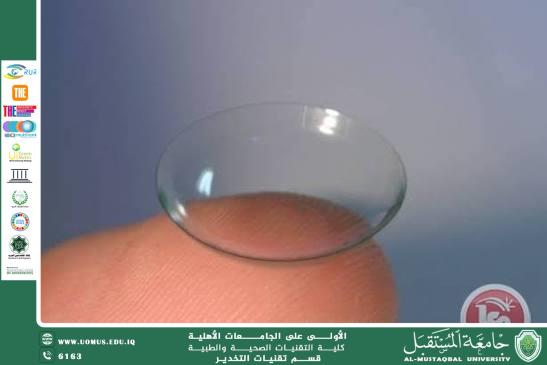
Unlike clear medical-grade contact lenses, colored contact lenses often contain pigmented layers that may reduce oxygen permeability. Prolonged or improper use of such lenses has been associated with physiological changes in the cornea, discomfort, and visual disturbances. This review aims to examine the scientific evidence concerning the effects of colored contact lenses on ocular ventilation (oxygen transmission) and their role in visual impairment.
The explanation
1. Oxygen Transmissibility and Corneal Physiology
Oxygen transmissibility (Dk/L) is a critical parameter in evaluating the safety of contact lenses. Adequate oxygen supply is essential for maintaining normal corneal metabolism and preventing hypoxic stress. Several studies have demonstrated that lenses with low oxygen permeability can induce corneal hypoxia, leading to stromal edema, altered corneal pH, and compromised epithelial integrity.
Colored contact lenses typically exhibit lower oxygen transmissibility compared to clear lenses, particularly when the pigment layer is embedded within or on the lens surface. This reduction in oxygen flow can impair corneal respiration, especially during extended wear, resulting in symptoms such as redness, dryness, and blurred vision. Chronic hypoxia may also promote corneal neovascularization, a condition that can permanently affect visual quality.
2. Effects on Visual Quality and Visual Acuity
In addition to physiological effects, colored contact lenses can influence optical performance. Research has shown that these lenses may increase higher-order aberrations and reduce contrast sensitivity, particularly under low-light conditions. Pigmented zones near or overlapping the pupil margin can interfere with light transmission, causing glare, halos, and reduced visual clarity.
Furthermore, improperly fitted or non-prescription colored lenses may alter the tear film stability and lens centration, contributing to fluctuating vision and visual fatigue. These factors collectively increase the risk of functional visual impairment, even in individuals without pre-existing refractive errors.
3. Risks Associated with Non-Regulated Colored Contact Lenses
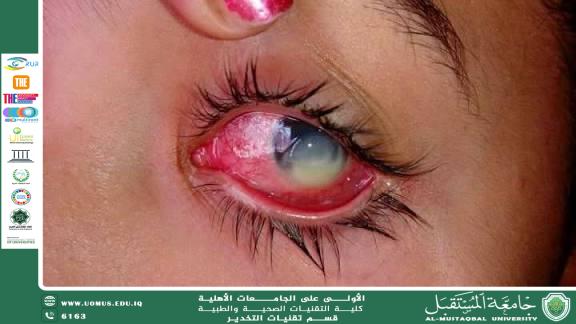
A significant concern highlighted in the literature is the widespread availability of colored contact lenses without medical supervision. Non-regulated lenses often fail to meet international safety standards regarding oxygen permeability, material biocompatibility, and sterility. Their use has been linked to an increased incidence of corneal infections, epithelial abrasions, and inflammatory responses.
Such complications can exacerbate hypoxic conditions and may result in temporary or permanent visual impairment if not promptly treated. The risk is particularly high among users who lack proper education regarding lens hygiene and wearing schedules.
Conclusion
Scientific evidence indicates that colored contact lenses can negatively affect ocular oxygenation and visual performance, particularly when they possess low oxygen transmissibility or are used without professional supervision. Reduced corneal ventilation may lead to hypoxia-related complications, while optical alterations caused by pigmented designs can impair visual quality.
To minimize these risks, users should select high-quality, medically approved colored lenses with adequate oxygen permeability and adhere to proper wearing and hygiene practices under the guidance of eye care professionals. Increased public awareness and stricter regulation are essential to safeguard ocular health and prevent vision-related complications associated with colored contact lenses....
Estabraq Rasool
Al-Mustaqbal University
The First University in Iraq.