


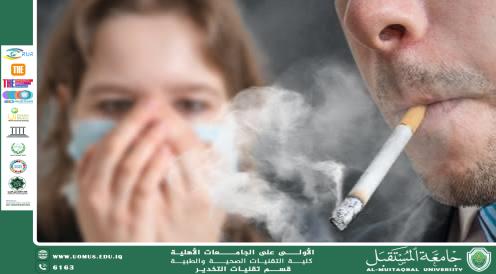
The Impact of Smoking on Perioperative Complications During General Anesthesia
...Smoking is a well-established risk factor associated with increased perioperative morbidity and mortality. Patients who smoke are more likely to experience adverse respiratory, cardiovascular, and anesthetic-related complications during general anesthesia. This narrative review aims to highlight the physiological effects of smoking and its negative impact on anesthetic management and perioperative outcomes. Understanding these complications is essential for improving patient safety and optimizing preoperative risk assessment.
Keywords: Smoking, General Anesthesia, Perioperative Complications, Respiratory System, Cardiovascular Effects.
Introduction
General anesthesia is a fundamental component of modern surgical practice, enabling complex procedures to be performed safely and painlessly. Despite significant advances in anesthetic techniques and monitoring, perioperative complications remain a major concern, particularly in patients with modifiable risk factors. Smoking is one of the most prevalent and preventable risk factors affecting surgical outcomes worldwide.
Cigarette smoke contains numerous toxic substances, including nicotine, carbon monoxide, and oxidizing chemicals, which adversely affect pulmonary function, cardiovascular stability, and tissue oxygenation. These physiological alterations increase the risk of complications during induction, maintenance, and recovery from general anesthesia. This review examines the adverse effects of smoking on anesthetic outcomes and highlights the importance of preoperative smoking cessation.
Methodology
This narrative review was conducted through a comprehensive search of electronic databases including PubMed, Scopus, and Google Scholar. Relevant articles published between 2000 and 2024 were identified using keywords such as smoking, general anesthesia, perioperative complications, respiratory complications, and cardiovascular effects. Studies focusing on adult smokers undergoing general anesthesia were included. Articles involving pediatric populations, non-English publications, and case reports were excluded.
Physiological Effects of Smoking Relevant to Anesthesia
1. Respiratory Complications
Smoking induces structural and functional changes in the respiratory system, including impaired mucociliary clearance, chronic airway inflammation, and increased mucus production. These changes predispose smokers to perioperative respiratory complications such as:
Bronchospasm during airway manipulation
Hypoxemia due to impaired gas exchange
Increased incidence of postoperative pneumonia and atelectasis
Several studies have demonstrated that smokers undergoing general anesthesia experience significantly higher rates of oxygen desaturation and prolonged ventilatory support compared to non-smokers.
2. Cardiovascular Effects
Nicotine stimulates sympathetic nervous system activity, leading to tachycardia, hypertension, and increased myocardial oxygen demand. Additionally, carbon monoxide reduces the oxygen-carrying capacity of hemoglobin, resulting in tissue hypoxia. These effects contribute to:
Hemodynamic instability during anesthesia
Increased risk of myocardial ischemia
Delayed postoperative recovery
Such cardiovascular stress poses a particular risk during induction and emergence from general anesthesia.
3. Altered Pharmacological Response
Chronic smoking has been associated with altered metabolism of anesthetic agents due to enzyme induction in the liver. As a result, smokers may require higher doses of anesthetic and analgesic drugs to achieve adequate depth of anesthesia and postoperative pain control. This variability complicates anesthetic management and increases the risk of awareness or drug-related adverse effects.
4. Benefits of Preoperative Smoking Cessation
Evidence suggests that smoking cessation prior to surgery significantly reduces perioperative complications. Even short-term abstinence improves oxygenation, decreases airway reactivity, and enhances wound healing. Therefore, preoperative smoking cessation should be strongly encouraged as part of routine anesthetic assessment.
Conclusion
Smoking is a significant modifiable risk factor that negatively impacts perioperative outcomes during general anesthesia. Smokers are at increased risk of respiratory and cardiovascular complications, altered anesthetic drug requirements, and delayed recovery. Preoperative identification of smokers and implementation of smoking cessation strategies are essential for reducing anesthesia-related complications and improving surgical outcomes. Greater awareness among healthcare providers can contribute to safer anesthetic practice and enhanced patient care.
Estabraq Rasool
Al-Mustaqbal University
The First University in Iraq.