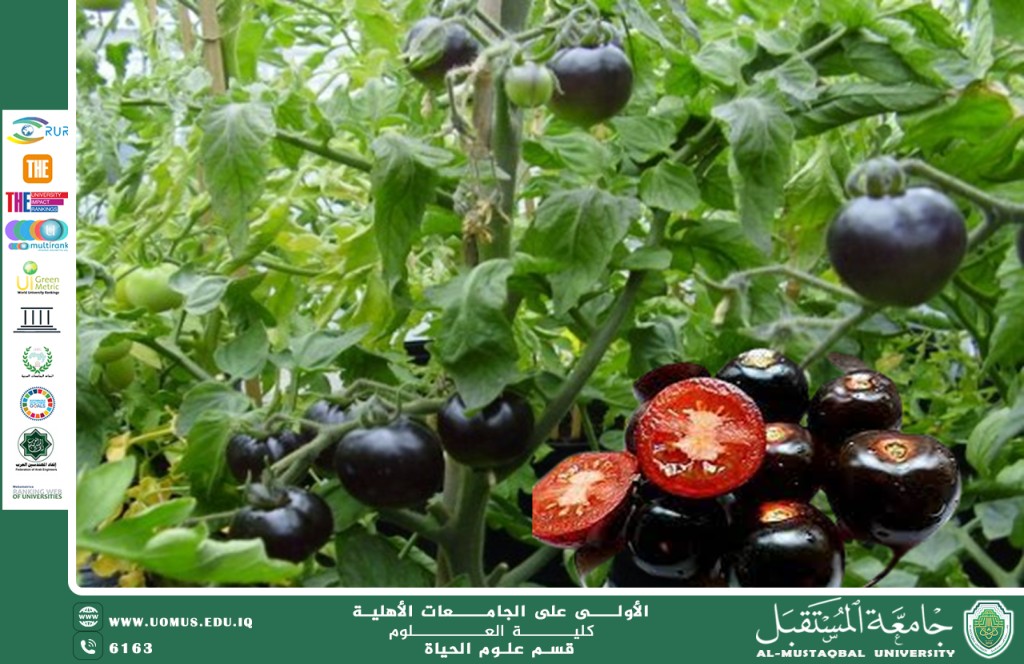
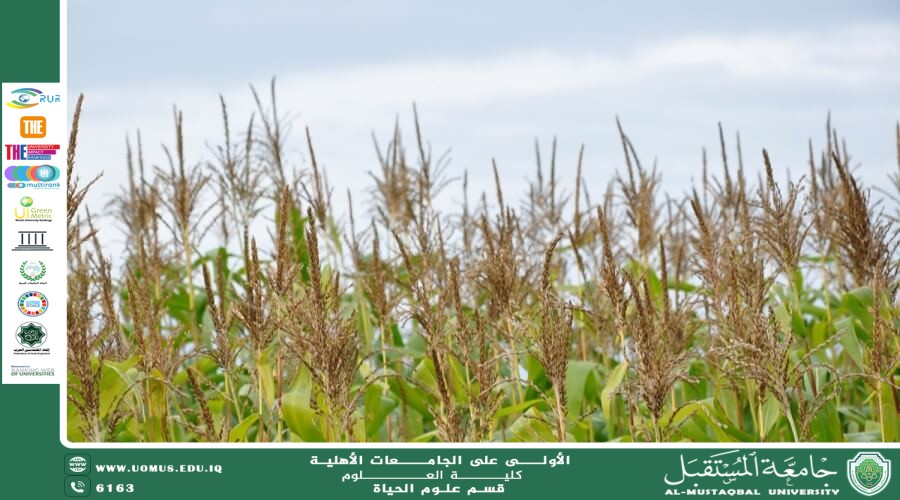
"A scientific article by instructor Banin Maan Karim entitled "Modern Agriculture Using Genetically Modified Plants
Genetically modified plants help enhance agricultural productivity and increase crop resistance to diseases, pests, and drought. This technology allows farmers to obtain higher-yielding and higher-quality crops while reducing the need for chemical pesticides and fertilizers.
Plants can also be modified to add essential nutrients, such as increased levels of vitamins or proteins, helping combat malnutrition in impoverished regions. These innovations support global food security and provide a solution to address climate change impacts on traditional agriculture.
Despite the benefits, the spread of genetically modified crops must be monitored to ensure their impact on the environment and biodiversity, guaranteeing the safe and sustainable use of modern technologies.