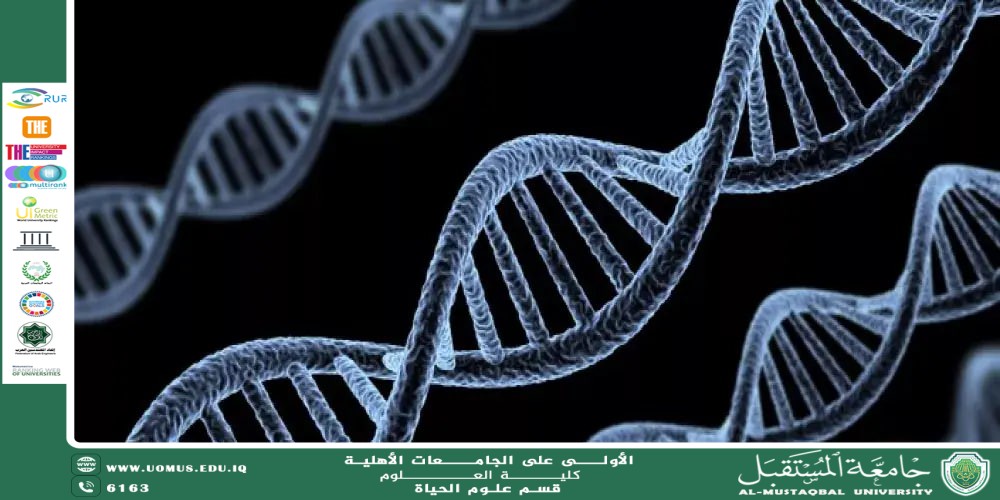
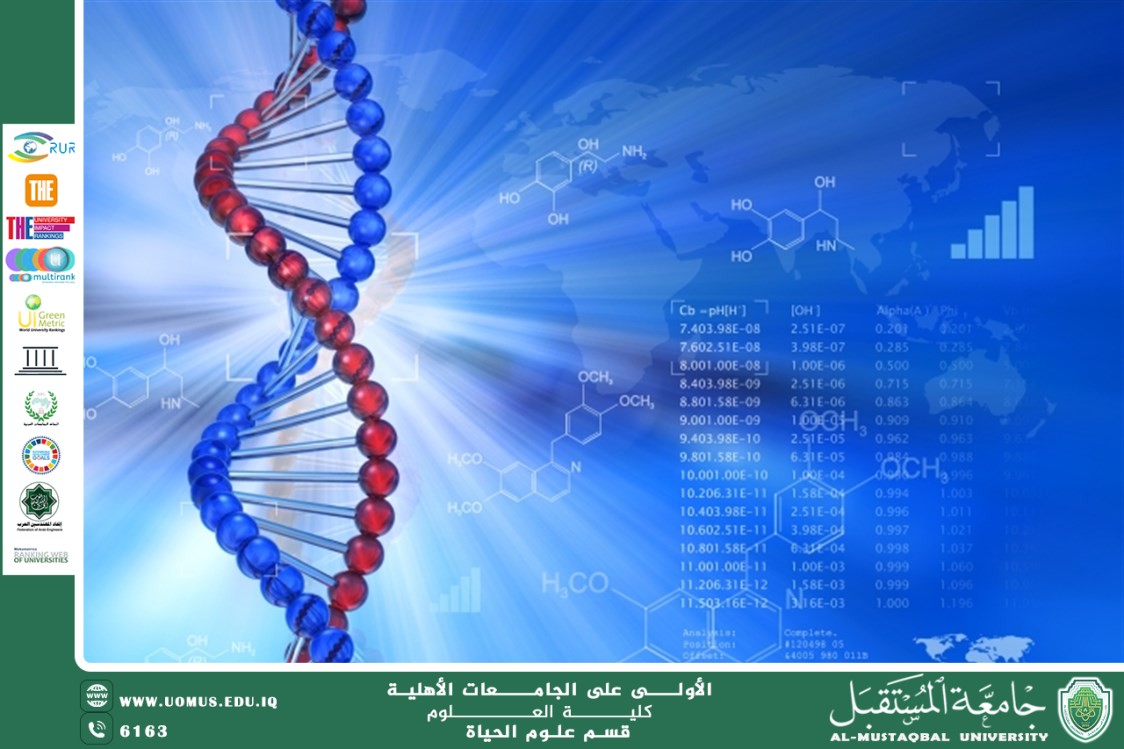
A scientific article by lecturer Banin Maan Karim entitled "Gene Editing for the Prevention of Genetic Diseases"
Gene editing can be used to prevent genetic diseases by modifying the genes responsible for these conditions before they manifest. This technology helps reduce the transmission of hereditary diseases across generations, such as sickle cell anemia and cystic fibrosis.
Gene editing can also be used to develop personalized preventive treatments, with interventions tailored to each individual’s genetic makeup, increasing treatment effectiveness and reducing health risks.
Despite the promising benefits, there are ethical and legal challenges, especially when intervening in human genes for future generations. Strict regulations are in place to ensure the responsible and safe use of this technology, while scientific developments are continuously monitored.