Bioceramics and Their Role in Prosthetic Applications
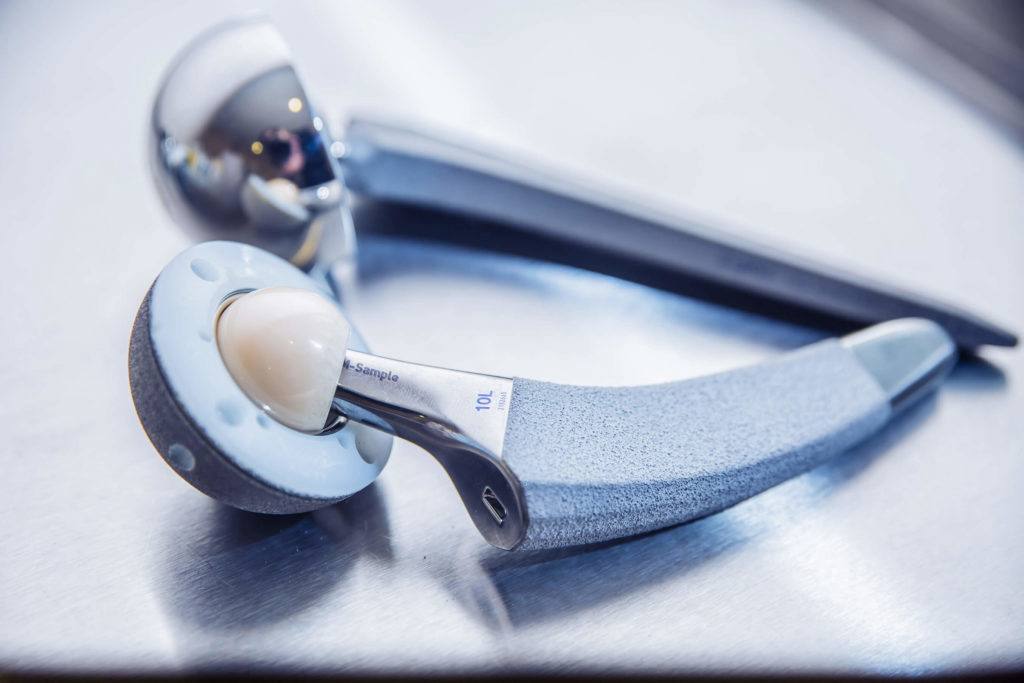
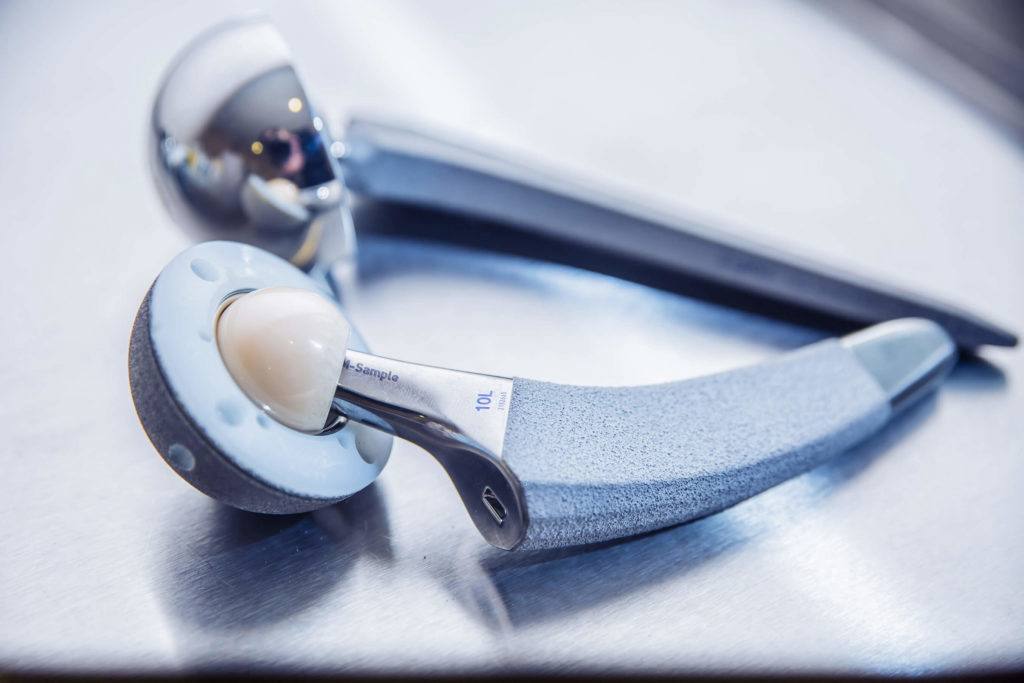
ioceramics represent one of the most significant recent advancements in the field of prosthetic applications due to their advanced biological and mechanical properties. This class of materials includes compounds such as hydroxyapatite, which is characterized by its strong ability to bond directly with bone tissue, making it highly suitable for medical prosthetic applications.
Bioceramics are widely used as coatings for metallic implants, where they enhance osseointegration and improve implant fixation within the body. In prosthetic and orthotic engineering, bioceramics contribute to increasing the stability of implanted prosthetic components and reducing post-surgical recovery time, as well as lowering the risk of implant failure.
Furthermore, bioceramics play an essential role in supporting rehabilitation processes, improving the functional performance of prosthetic limbs, and enhancing patients’ quality of life by enabling greater mobility and independence.