he Development of Prosthetic Limbs and Their Role in Achieving the Sustainable Development Goals
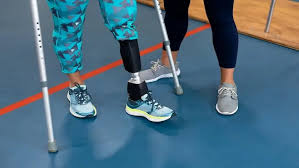
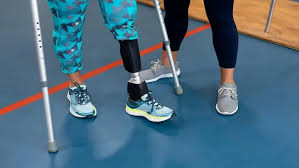
he rapid advancement in the field of prosthetic limbs directly contributes to achieving the United Nations Sustainable Development Goals, particularly Goal 3: Good Health and Well-being and Goal 10: Reduced Inequalities. Modern prosthetic limbs have become effective tools for improving both physical and psychological health by enhancing functional mobility and reducing disability resulting from limb loss.
From the perspective of Goal 3, advanced prosthetic technologies help improve the quality of healthcare and rehabilitation services by enabling patients to regain mobility and perform daily activities independently. This reduces long-term health complications and promotes overall physical and mental well-being. Moreover, the use of modern technologies and biocompatible materials contributes to pain reduction and improved rehabilitation outcomes.
In relation to Goal 10, prosthetic limbs play a crucial role in reducing inequalities between persons with disabilities and the rest of society by enabling their active participation in education, employment, and social life. The development of more efficient and cost-effective prosthetic solutions—through technologies such as 3D printing—helps expand access to these devices and promotes greater equity in healthcare and rehabilitation services.
Accordingly, the development of prosthetic limbs represents a practical model of integrating engineering innovation with humanitarian and developmental goals, contributing to healthier individuals and more inclusive and equitable societies.