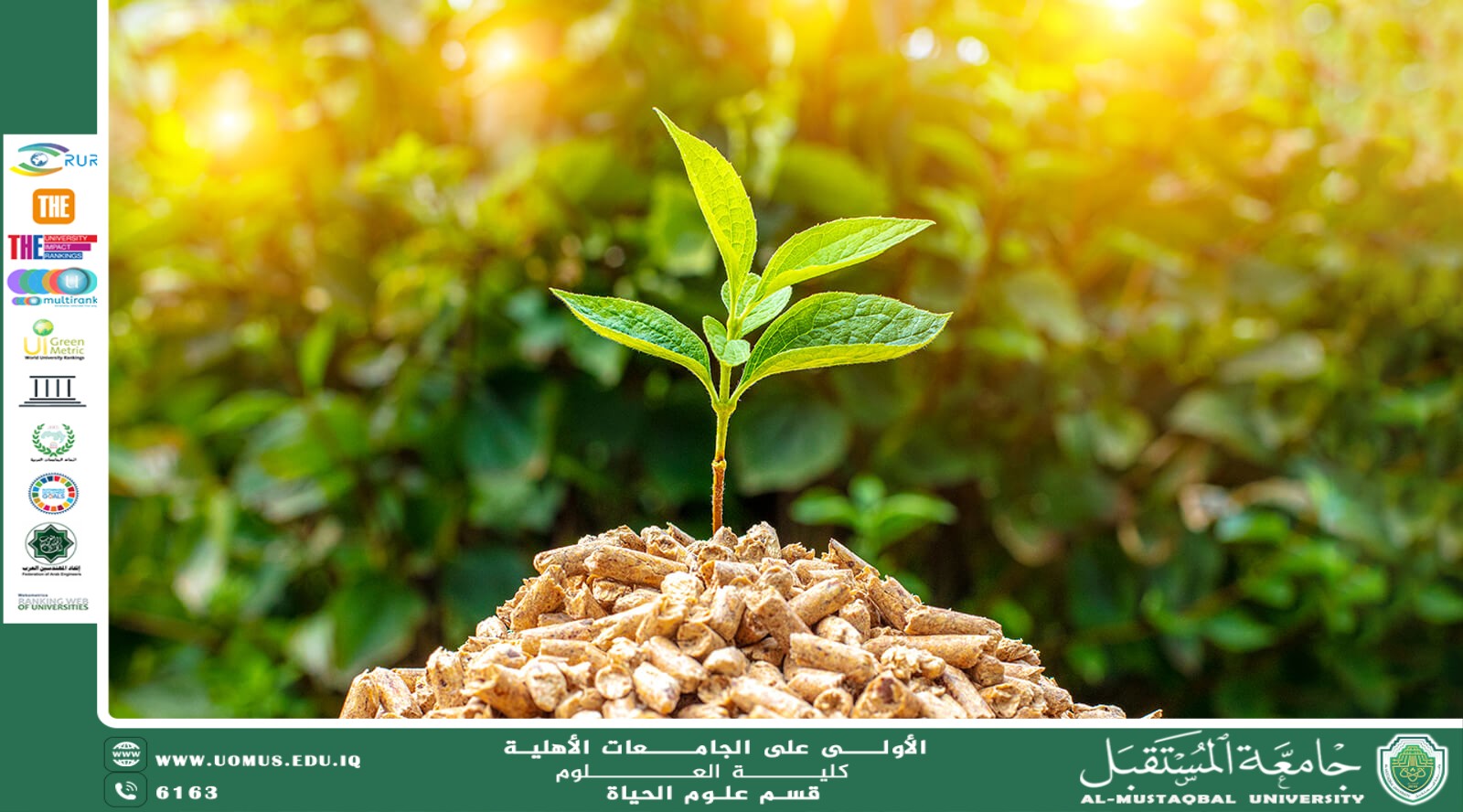
A scientific article by Ms. Nour El-Hoda Azmy Hassan entitled "Bioenergy from Plants"
Bioenergy from plants is one of the important renewable energy sources, relying on the use of plant materials to produce electricity, heat, or biofuels. Plant-based bioenergy sources include herbaceous plants, oil crops, agricultural residues such as rice and corn straw, and fast-growing trees like eucalyptus and bamboo.
These plant materials can be converted into energy in various ways, including direct combustion to produce heat, biological fermentation to generate biogas, or converting plant oils into biofuels such as biodiesel. Bioenergy is considered a relatively clean energy source compared to fossil fuels, helping reduce harmful emissions and making use of agricultural residues instead of burning them and harming the environment.
The importance of plant-based bioenergy lies in supporting energy security and reducing reliance on non-renewable resources, as well as creating new job opportunities in agriculture and bio-industry. It also contributes to sustainable development by linking agricultural production with industrial energy use, making it a key option for environmental and economic future sustainability.