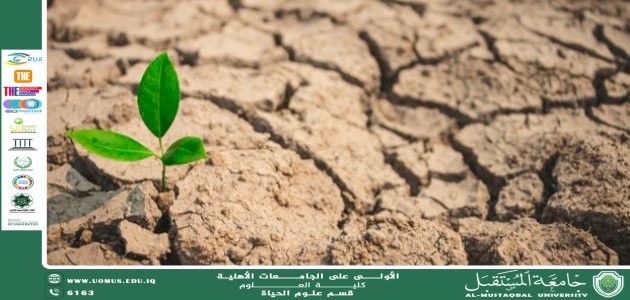

A scientific article by Ms. Nour El-Hoda Azmy Hassan entitled "Adaptation to Plants"
Drought adaptation is one of the strategies used by plants and animals to survive in arid and dry environments where water resources are limited. In plants, drought adaptation involves a set of physiological, structural, and behavioral traits that help reduce water loss and increase water-use efficiency.
The main drought adaptation mechanisms in plants include:
Water storage in tissues, as in succulent plants like cacti and sedum.
Development of deep or extensive roots to access groundwater.
Leaf coverings with wax or fine hairs to reduce water evaporation.
Closing stomata during the day to minimize water loss from leaves.
These strategies allow plants to grow and survive under harsh conditions, reduce the need for frequent irrigation, and increase the chances of survival in arid and dry environments. Understanding drought adaptation is also important for sustainable agriculture, as it helps in selecting drought-resistant crops and planting suitable plants in dry regions.