A scientific article by Ms. Nour El-Hoda Azmy Hassan entitled "Renewable Energy from Wind and Sun"
Renewable energy is energy obtained from natural sources that do not deplete over time, such as sunlight, wind, and water. These sources are environmentally friendly because they do not produce harmful gases like carbon dioxide or other pollutants that cause pollution and contribute to global climate change. Relying on renewable energy reduces the depletion of natural resources, protects the environment for future generations, supports sustainable development, and enhances countries’ energy independence.
Solar Energy:
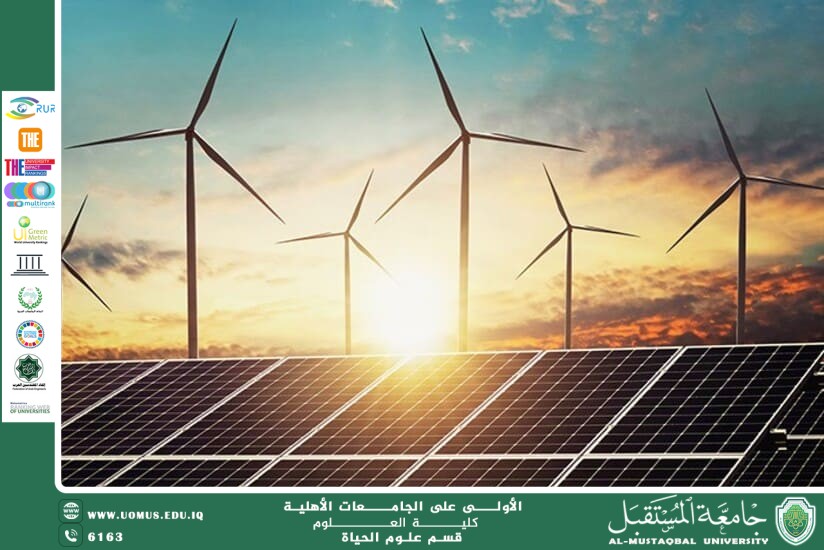
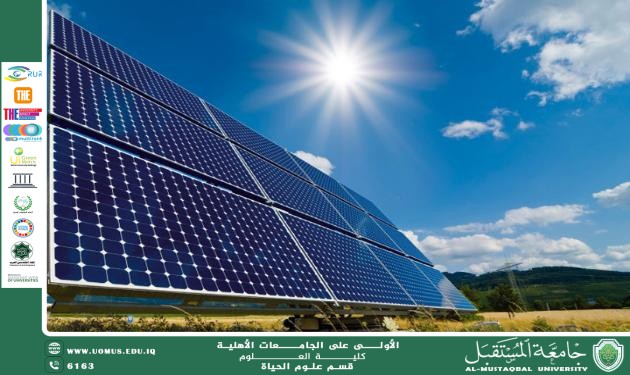
Solar energy is the energy derived from sunlight. This energy can be converted into electricity using solar panels or into heat for heating water and buildings. Solar energy is unlimited as long as sunlight exists. Its advantages also include low operation and maintenance costs after installation, and its ability to provide energy even in remote areas far from traditional electricity grids.
Wind Energy:
Wind energy comes from the movement of air in the atmosphere. Wind turbines are used to convert wind movement into electricity efficiently and cleanly. Wind energy is renewable and sustainable, and it can be exploited in large farms and open areas with strong winds. Investing in wind energy reduces dependence on fossil fuels and helps lower greenhouse gas emissions.
Importance of Renewable Energy:
Renewable energy contributes to providing electricity in a safe and sustainable way, helps reduce dependence on polluting traditional energy sources, and supports environmental protection and the conservation of natural resources for future generations. It also encourages innovation and clean technology, opening new opportunities for investment and economic development worldwide.