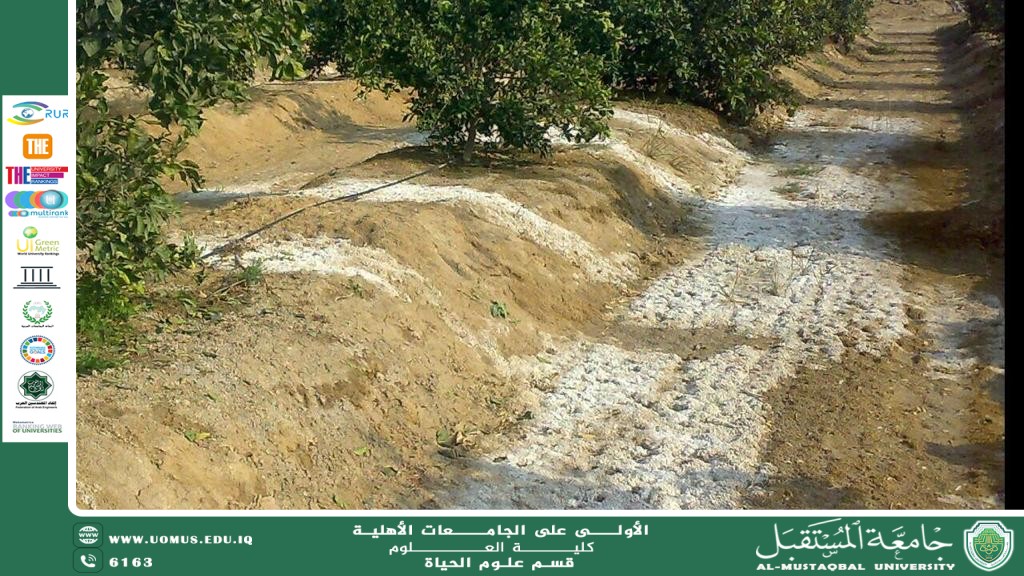

A scientific article by Ms. Nour El-Hoda Azmy Hassan entitled "Adaptation to Salinity"
Salinity adaptation is the ability of plants or organisms to survive in environments with high salt concentrations (like salty soils or seawater) without being harmed. High salt levels can prevent water and nutrient uptake, causing stress or death in non-adapted organisms.
Examples in Plants (Halophytes):
Salt Excretion: Some plants have special glands on leaves that excrete excess salts to the surface.
Water Storage: Many salt-tolerant plants are succulent, storing water in leaves or stems to dilute salts.
Specialized Roots: Roots may absorb water efficiently while limiting salt uptake.
Production of Osmolytes: Plants produce organic compounds that balance osmotic pressure, helping cells retain water despite high salt.
Importance:
Enables plants to grow in harsh saline environments like coasts and salt marshes.
Supports the stability of saline ecosystems.
Useful for sustainable agriculture on saline soils.