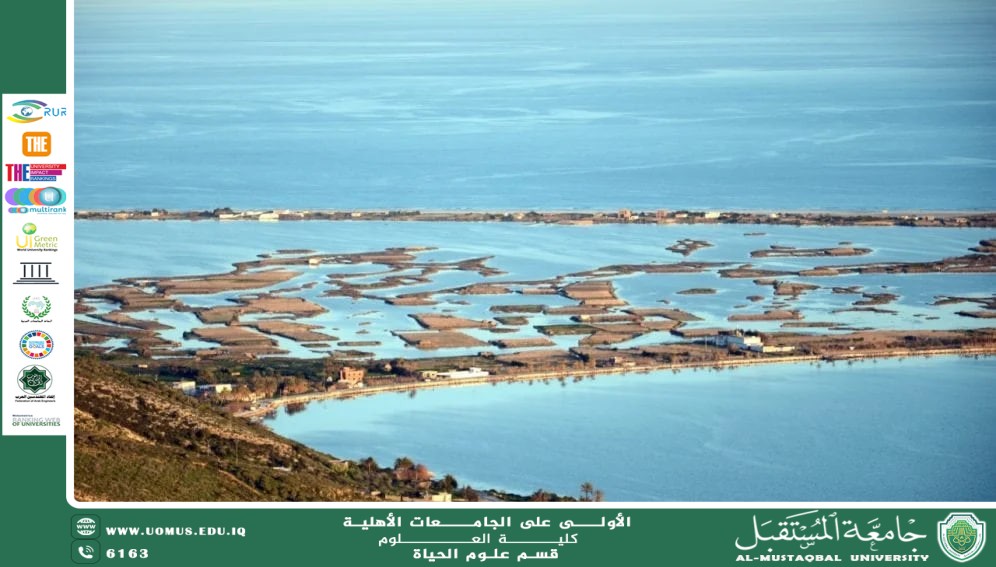

A scientific article by Ms. Nour El-Hoda Azmy Hassan entitled "Protecting Wetlands"
Wetlands are areas covered with water, either permanently or seasonally, including swamps, shallow lakes, marshes, and coastal zones. They are vital ecosystems that provide essential services for life on Earth.
Importance:
Water Purification: Wetlands act as natural filters, removing pollutants and maintaining water quality.
Habitat for Wildlife: They provide homes for plants, birds, fish, and amphibians, supporting biodiversity.
Flood Control: Wetlands absorb excess water during heavy rains, reducing flood risks.
Climate Regulation: They store carbon and help reduce greenhouse gases, mitigating climate change.
Resource Provision: Wetlands provide food, water, and support economic activities like fishing, sustainable agriculture, and eco-tourism.
Threats:
Drought and climate change.
Pollution from industry and agriculture.
Conversion to agriculture or urban development.
Overexploitation of natural resources.
Conservation Methods:
Enforcing environmental protection laws.
Sustainable management and land-use planning.
Public education and awareness campaigns.
Restoration of degraded wetlands.