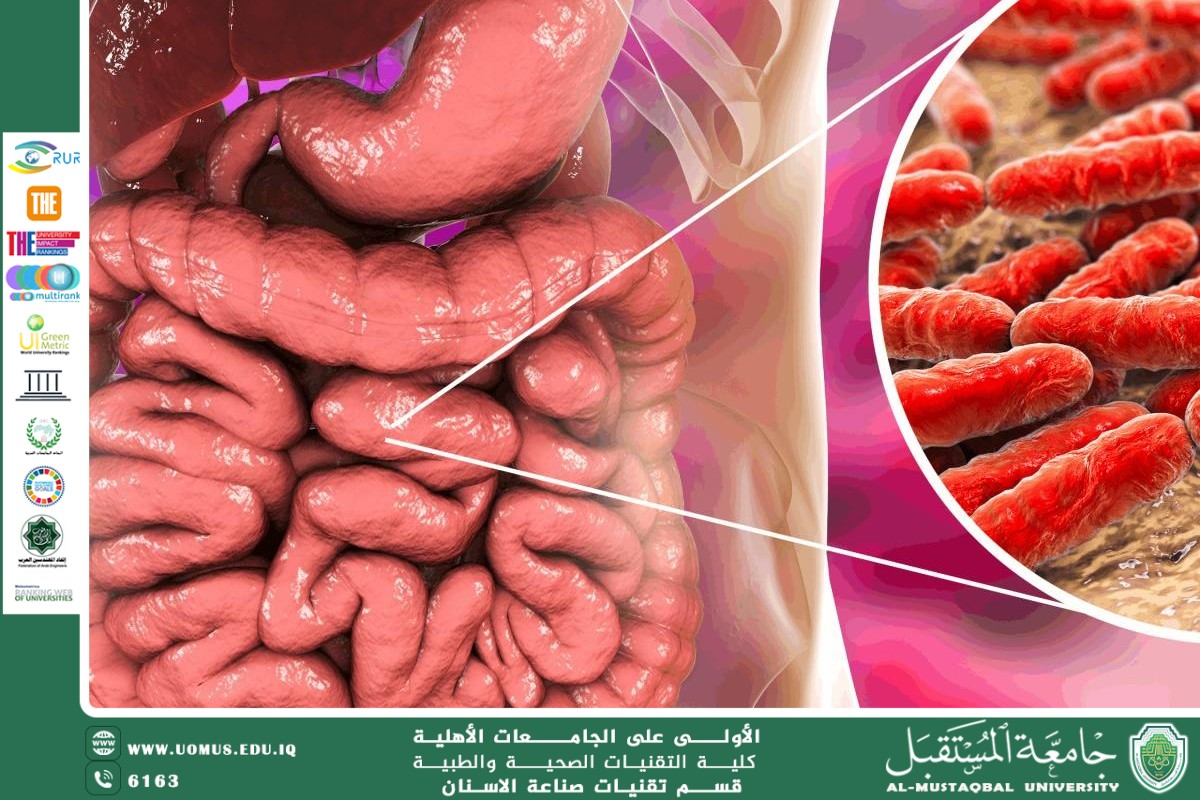

The Role of Beneficial Bacteria in Enhancing the Immune System
The Role of Beneficial Bacteria in Enhancing the Immune System
Introduction
Beneficial bacteria, also known as microbiota, are among the most important microorganisms that naturally inhabit the human body, particularly the digestive system. Recent scientific studies have shown that these bacteria play a vital role in maintaining human health and enhancing the efficiency of the immune system, making them an essential factor in preventing many diseases.
What Are Beneficial Bacteria?
Beneficial bacteria are microorganisms that live in balance within the body without causing harm; rather, they contribute to many vital biological functions. Most of them reside in the intestines, and their numbers are estimated in trillions. Common examples include Lactobacillus and Bifidobacterium species.
The Relationship Between Beneficial Bacteria and the Immune System
The immune system represents the first line of defense against pathogens. Beneficial bacteria support and strengthen immune function through several direct and indirect mechanisms, including:
1. Stimulation of Immune Cells
Beneficial bacteria help activate immune cells such as lymphocytes and macrophages, enhancing the body’s ability to recognize and eliminate harmful microorganisms.
2. Prevention of Harmful Bacteria Growth
Beneficial bacteria compete with pathogenic bacteria for nutrients and attachment sites in the intestines. They also produce antimicrobial substances that inhibit the growth of harmful bacteria, thereby reducing the risk of infection.
3. Strengthening the Intestinal Barrier
Beneficial bacteria maintain the integrity of the intestinal lining, preventing toxins and pathogens from leaking into the bloodstream. This function is known as the intestinal immune barrier.
4. Regulation of Immune Response
The gut microbiota plays an important role in regulating immune responses and preventing immune overactivity, which helps reduce the risk of autoimmune diseases and allergies.
Sources of Beneficial Bacteria
The levels of beneficial bacteria in the body can be supported through:
• Consumption of fermented foods such as yogurt, kefir, and naturally fermented pickles.
• Intake of fiber-rich foods (prebiotics) such as vegetables, fruits, and whole grains.
• Use of probiotic dietary supplements when necessary and under medical supervision.
The Impact of Lifestyle on Beneficial Bacteria
The balance of beneficial bacteria can be affected by several factors, including unhealthy diets, stress, lack of sleep, and excessive use of antibiotics. These factors may lead to microbial imbalance and weakened immune function.
Conclusion
Beneficial bacteria play a fundamental role in enhancing the immune system and maintaining overall human health. Paying attention to gut health through proper nutrition and a healthy lifestyle is an important step toward supporting immunity and preventing diseases.