Increased Salivation During Tracheal Intubation: Causes, Clinical Effects, and Treatment Strategies
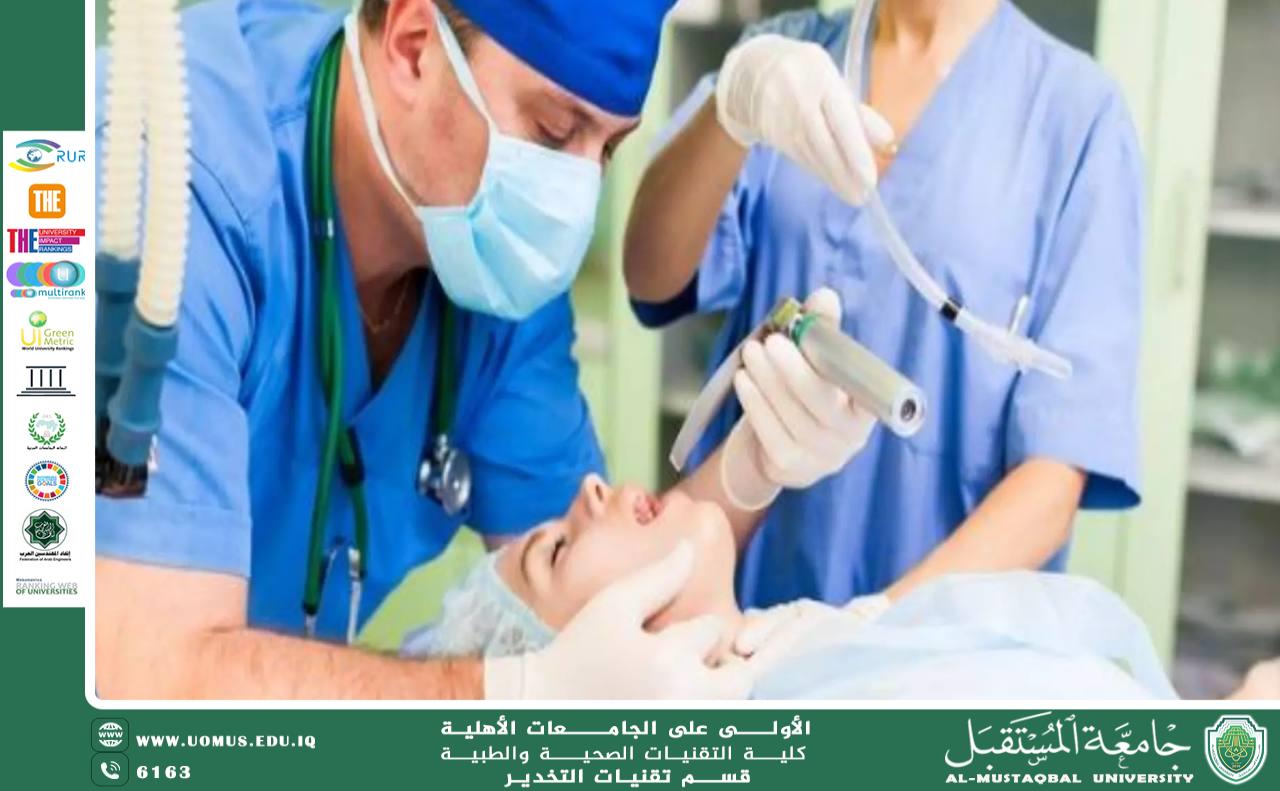
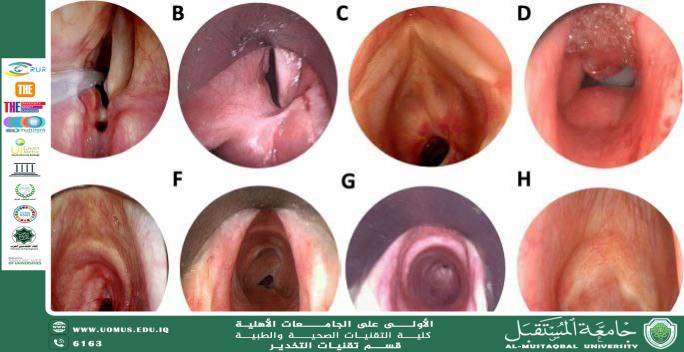
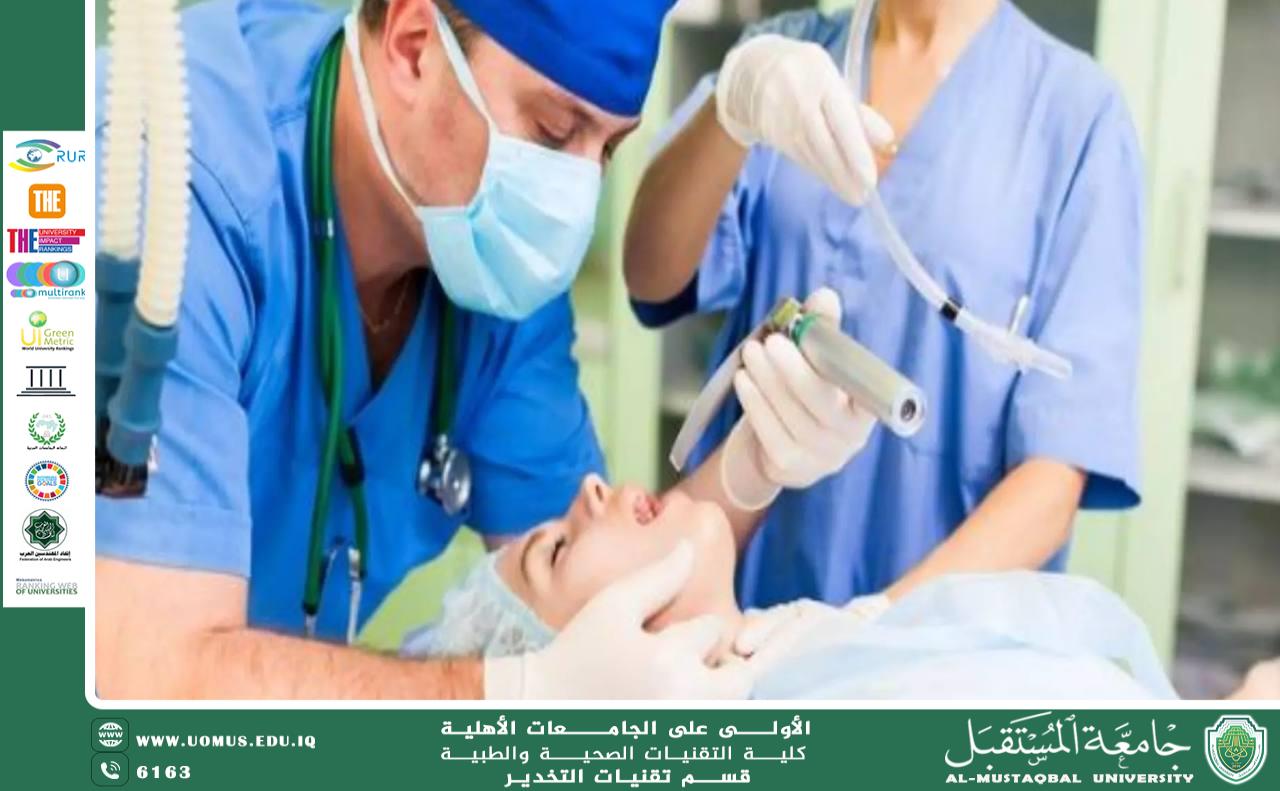
Tracheal intubation is a critical medical procedure performed in emergencies or during general surgery to secure the patient's airway. Despite its significant medical benefits, tracheal intubation can be associated with a range of complications that may affect patient comfort and safety, including increased salivation. This is one of the most common clinical challenges faced by medical teams during this procedure. Increased salivation is a problem requiring special attention due to its potential impact on breathing and can lead to respiratory distress, necessitating effective treatment measures to minimize its negative effects.
Causes of Increased Salivation During Tracheal Intubation: Salivation is a normal part of digestion and fluid balance in the body. However, during tracheal intubation, some patients may experience an unusual increase in salivation. There are several reasons that may lead to this increase in saliva production, the most prominent of which are:
1. Nerve stimulation: When the intubation tube is inserted into the trachea, direct stimulation of the nerves in the oral region may occur, leading to increased salivation in response to this stimulation. This process may also activate the autonomic nervous system, which is responsible for regulating saliva production.
2. Mechanical irritation: The presence of the tube in the trachea may irritate the mucous membranes and surrounding tissues, leading to increased salivation. This increase may be more pronounced in patients with chronic respiratory diseases or respiratory allergies.
3. Medications used: Some medications used during or before intubation may contribute to stimulating the salivary glands. For example, anesthetics and analgesics may affect saliva production due to their effect on the parasympathetic nervous system.
4. Reaction to dry mouth and pain: Intubation is often accompanied by dry mouth or pain resulting from the procedure. In some cases, the body may react to dehydration by increasing saliva production as a natural response.
Clinical Effects of Excessive Saliva Production: Excessive saliva production can have a range of adverse effects on patient safety, including:
1. Suffocation: If saliva production is not properly managed, it can obstruct the airway, leading to suffocation and difficulty breathing.
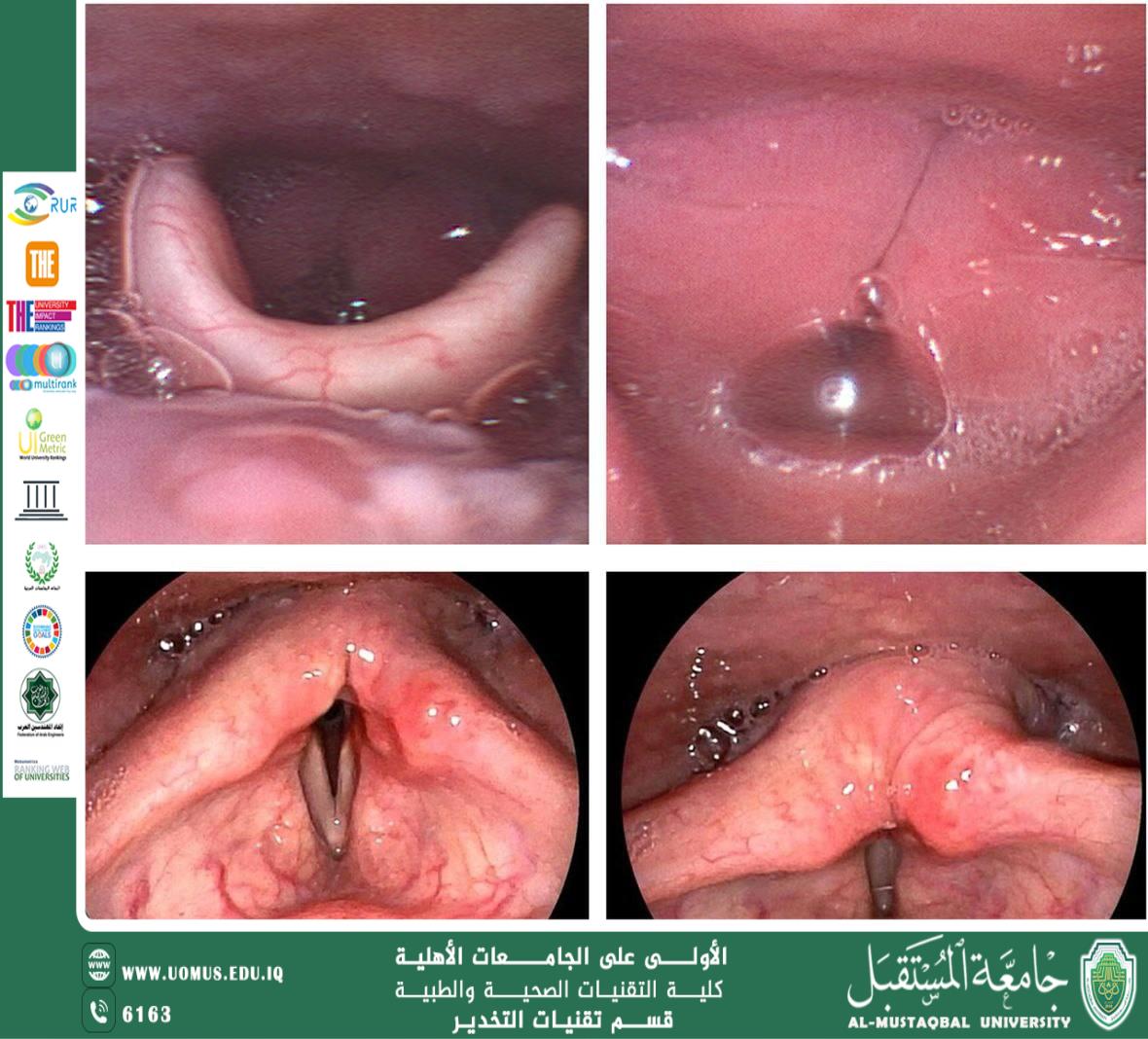
2. Increased Risk of Aspiration: In cases of excessive saliva production, unintentional aspiration of saliva into the lungs may occur, increasing the risk of aspiration pneumonia or lower respiratory tract infection.
3. Patient Discomfort: Excessive saliva production can cause discomfort, hindering natural healing and increasing anxiety during the procedure.
4. Difficulty Monitoring Intubation: Excessive saliva production can make it difficult for clinicians to monitor intubation or ensure the tube is correctly positioned in the trachea.
Treatment Strategies for Managing Excessive Salivation: To minimize the negative effects of this problem, the medical team should take several preventative and therapeutic measures, including:
1. Using Anticholinergic Medications: Anticholinergic medications such as atenzolineor glycopyrrolate can be used to reduce salivation. These medications work by inhibiting the nerve signals affecting the salivary glands.
2. Ensuring a Secure Airway: To guarantee patient safety and prevent suffocation, a secure airway is essential. This may require the use of a suction device to remove excess saliva periodically.
3. Effective Anesthesia: Administering appropriate anesthesia before and during the procedure can reduce nerve irritation and minimize unwanted salivation.
4. Continuous Monitoring: Monitoring salivary secretions and using advanced observation tools can help clinicians detect any abnormal increases in saliva production and address them promptly.
5.Administering fluids and providing rest: Maintaining fluid balance within the body helps reduce excessive salivation, and rest and close monitoring of vital functions contribute to improving the patient's overall condition.
In conclusion: Increased salivation during endotracheal intubation is a clinical problem that requires attention and prompt treatment to avoid complications. By accurately identifying the causes and implementing appropriate preventive and therapeutic measures, the negative impact of this phenomenon can be minimized, and the patient's experience during endotracheal intubation can be improved.
Physicians and healthcare practitioners should be aware of these risks and take the necessary steps to reduce their occurrence and minimize their negative effects on patient health.
Ali Rasool
Al-Mustaqbal University
The First University in Iraq.