
Adrenal Gland Disorders and Causes of Hyperfunction
The adrenal glands are two small endocrine glands located on top of the kidneys. They play a crucial role in regulating vital body functions such as blood pressure, metabolism, stress response, and electrolyte balance through the secretion of hormones. Disorders of the adrenal glands can result from either insufficient or excessive hormone production. This article focuses on adrenal gland hyperfunction, its causes, clinical manifestations, diagnosis, and management.
Overview of the Adrenal Glands
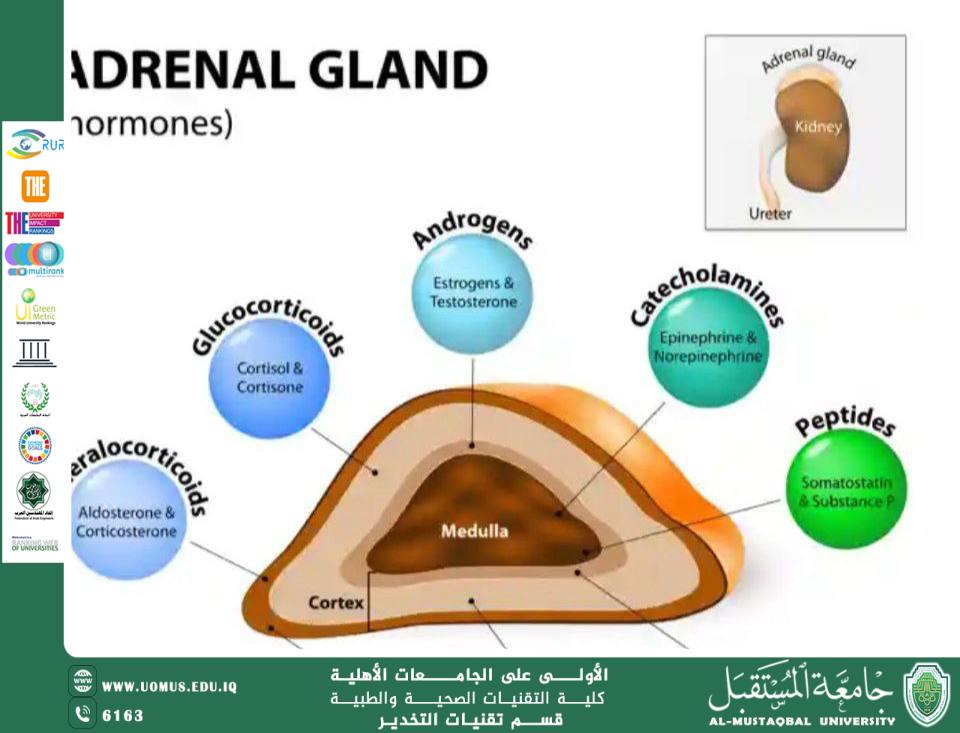
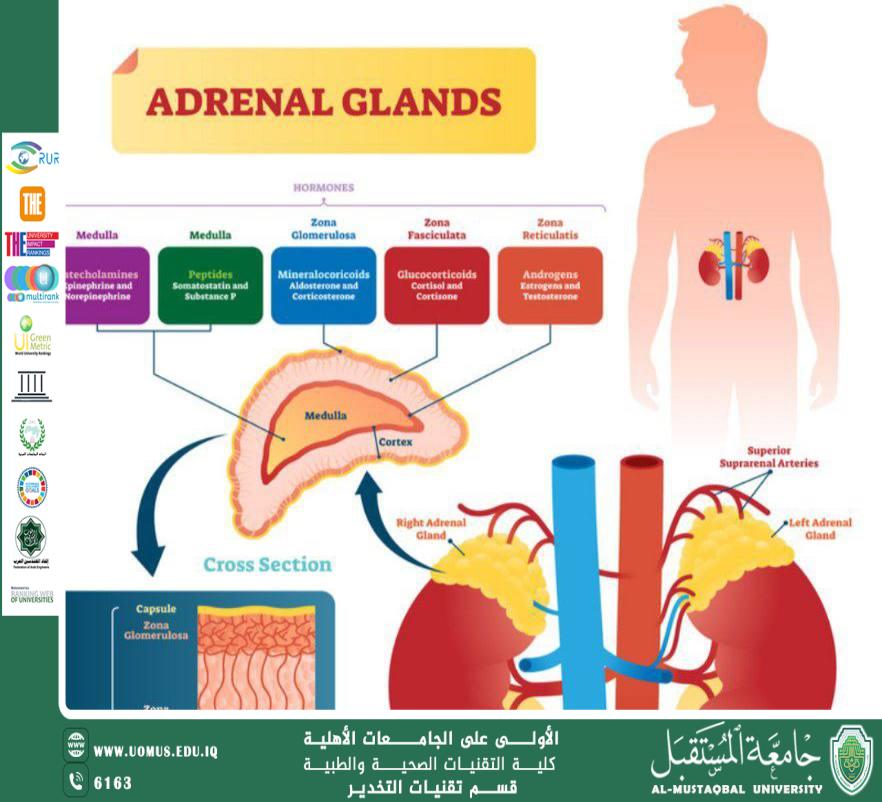
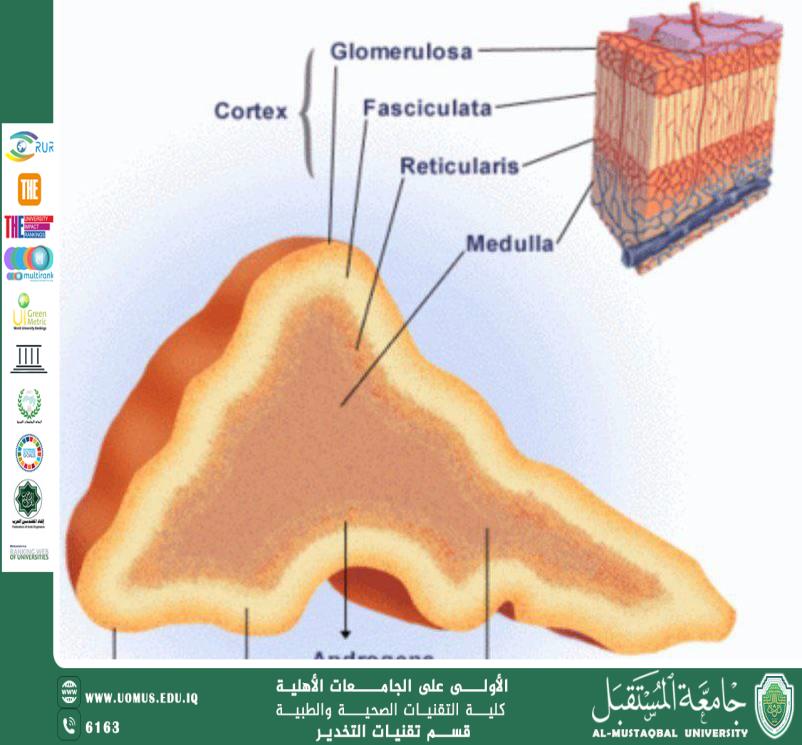
Each adrenal gland consists of two main parts:
Adrenal cortex: Produces cortisol, aldosterone, and adrenal androgens.
Adrenal medulla: Secretes catecholamines, mainly epinephrine and norepinephrine.
What Is Adrenal Hyperfunction?
Adrenal hyperfunction refers to the excessive secretion of one or more adrenal hormones, leading to systemic physiological disturbances and specific endocrine syndromes.
Causes of Adrenal Gland Hyperfunction
Cushing’s Syndrome
Cushing’s syndrome results from prolonged exposure to high levels of cortisol. Its causes include:
Adrenal adenomas or carcinomas
Pituitary adenomas (Cushing’s disease)
Long-term use of corticosteroid medications
Primary Hyperaldosteronism (Conn’s Syndrome)
This condition is characterized by excessive secretion of aldosterone, leading to:
Hypertension
Hypokalemia
Sodium and water retention
Pheochromocytoma
A rare tumor of the adrenal medulla that causes excessive release of:
Epinephrine
Norepinephrine
Typical symptoms include episodic hypertension, headache, sweating, and palpitations.
Congenital Adrenal Hyperplasia
A group of inherited disorders affecting steroid hormone synthesis, sometimes resulting in overproduction of adrenal androgens.
Chronic Psychological Stress
Persistent stress activates the hypothalamic–pituitary–adrenal (HPA) axis, leading to sustained elevation of cortisol levels.
Clinical Manifestations
Symptoms vary depending on the hormone involved and may include:
Persistent hypertension
Central obesity (moon face, abdominal fat)
Osteoporosis
Hyperglycemia
Anxiety and mood disturbances
Suppressed immune function
Diagnosis
Diagnosis is based on:
Blood and urine hormone level measurements
Hormonal suppression and stimulation tests
Imaging studies such as CT scan or MRI
Management and Treatment
Treatment depends on the underlying cause and may involve:
Pharmacological therapy to inhibit hormone synthesis
Surgical removal of adrenal or pituitary tumors
Radiation therapy in selected cases
Lifestyle modifications and stress management
Conclusion
Adrenal gland hyperfunction is a complex endocrine disorder that requires early diagnosis and appropriate management to prevent serious complications. A multidisciplinary approach improves patient outcomes and quality of life.
Zahraa Jawad
Al-Mustaqbal University
The First University in Iraq.