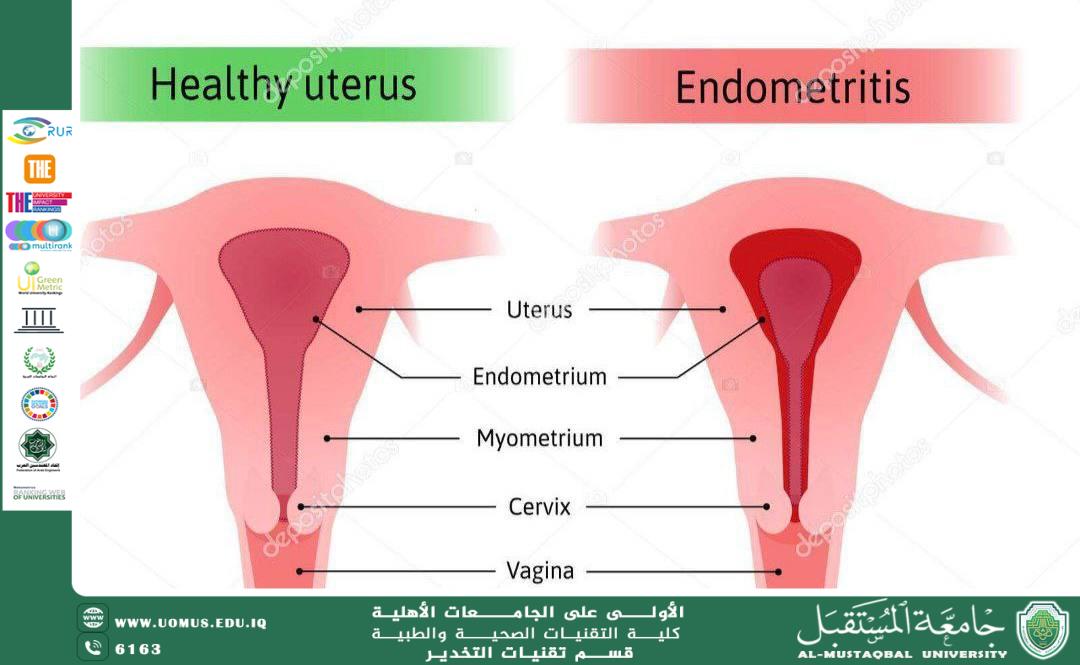
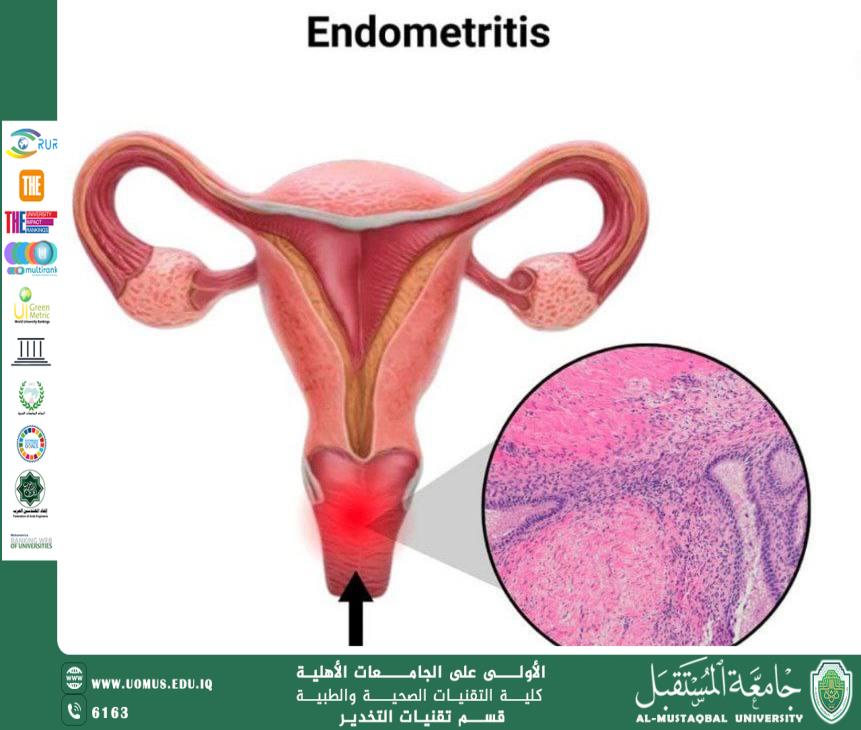
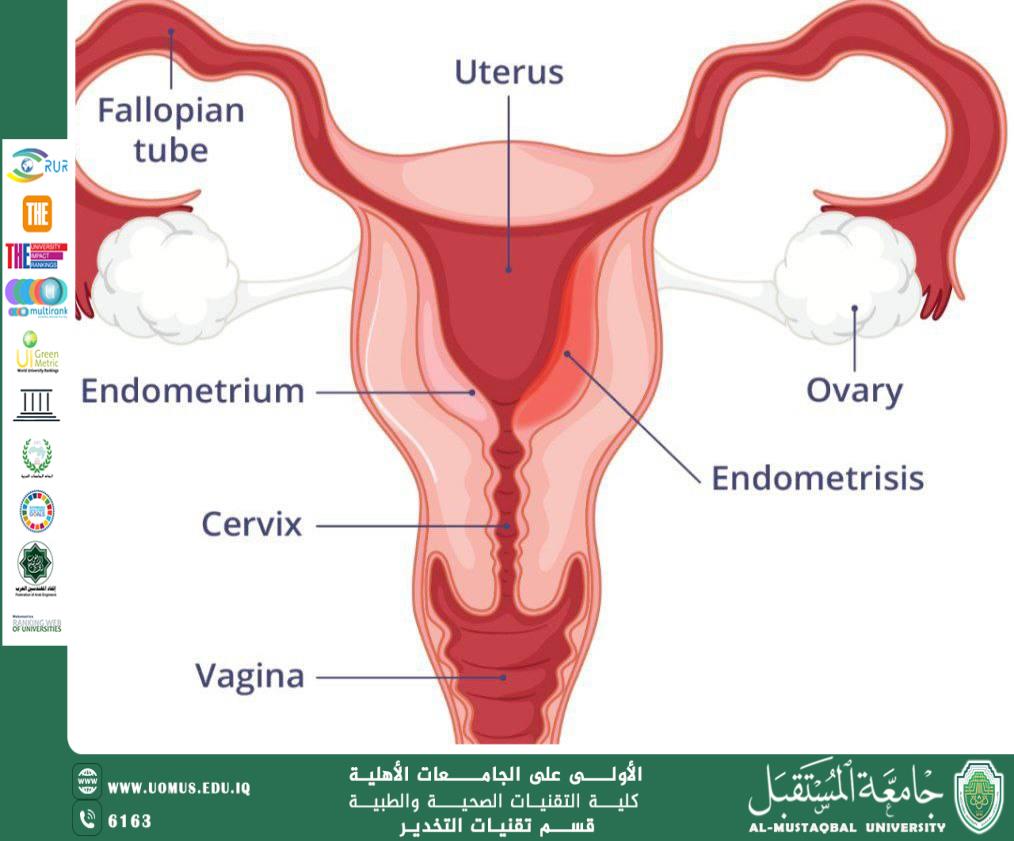

Management of Uterine Inflammation Before Progression to Hysterectomy
Uterine inflammation (endometritis or uterine infection) is a common gynecological condition affecting women of various ages, particularly after childbirth, miscarriage, or as a result of bacterial infections. If diagnosis or treatment is delayed, the condition may progress to serious complications that could necessitate hysterectomy, directly impacting fertility and overall health. Therefore, early and effective management is essential to preserve the uterus and maintain its function.
Causes of Uterine Inflammation
Bacterial infections (such as Staphylococcus and Streptococcus)
Postpartum or post-gynecological surgical infections
Unsafe or incomplete abortion
Use of intrauterine devices (IUDs) without proper medical follow-up
Ascending infections from the vagina or cervix
Clinical Symptoms
Lower abdominal and pelvic pain
Abnormal uterine bleeding
Foul-smelling vaginal discharge
Fever
General fatigue and malaise
Diagnosis of Uterine Inflammation
Diagnosis is based on:
Detailed medical history and clinical examination
Laboratory tests (complete blood count, inflammatory markers)
Vaginal or cervical swabs to identify the causative organism
Pelvic ultrasound imaging
Management of Uterine Inflammation Before Uterine Loss
1. Pharmacological Treatment
Administration of broad-spectrum antibiotics, followed by targeted therapy based on culture and sensitivity results
Use of antipyretics and anti-inflammatory medications
In severe cases, intravenous antibiotic therapy and hospitalization may be required
2. Close Medical Follow-Up
Monitoring the patient’s response to treatment
Repeating investigations when necessary
Ensuring complete resolution of symptoms and infection
3. Non-Surgical Interventions
Drainage of any purulent collections if present
Treatment of associated vaginal or cervical infections
4. Prevention of Hysterectomy
Hysterectomy is considered a last resort and is only indicated in cases of:
Failure of medical treatment
Life-threatening septicemia
Severe and irreversible uterine tissue damage
Role of Awareness and Prevention
Maintaining proper personal hygiene
Seeking medical care upon the appearance of abnormal symptoms
Regular follow-up after childbirth or gynecological procedures
Avoiding intrauterine contraceptive methods without medical supervision
Conclusion
Uterine inflammation is a largely treatable condition when diagnosed early and managed appropriately. Pharmacological treatment combined with careful medical follow-up plays a crucial role in preventing serious complications and preserving the uterus, thereby positively affecting women’s physical, psychological, and reproductive health.
Zahraa Jawad
Al-Mustaqbal University
The First University in Iraq.