

Latest Advances in Ophthalmology and Eye Surgery (2025–2026)
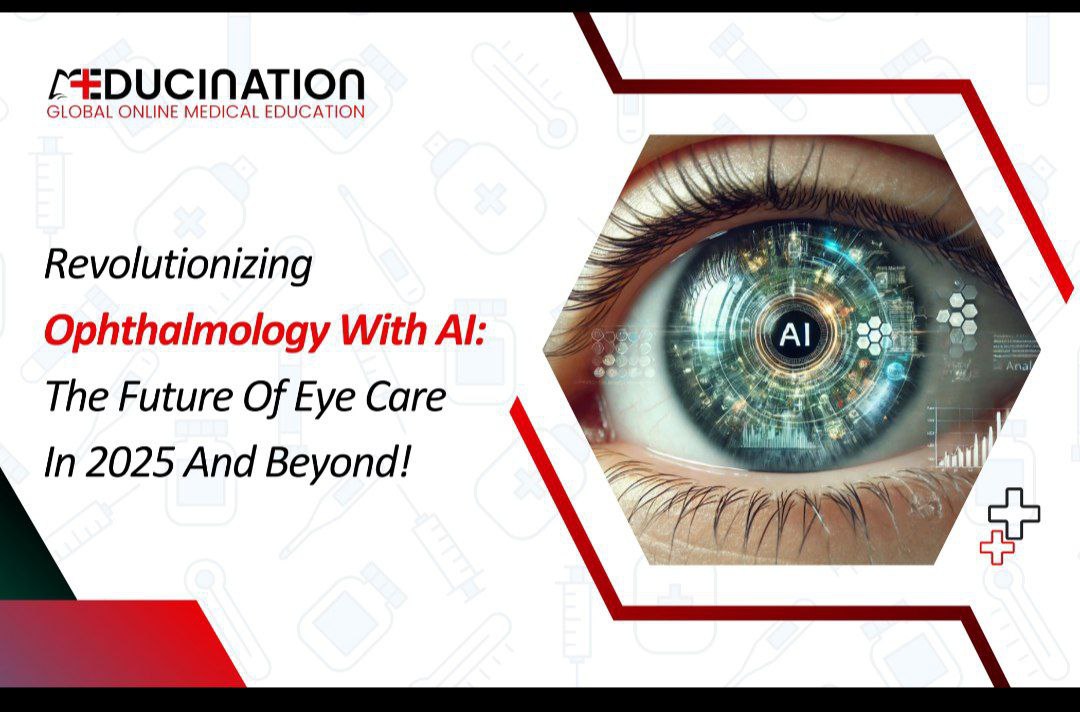
The field of ophthalmology and eye surgery is experiencing rapid and transformative progress in both diagnosis and treatment. Advanced technologies such as artificial intelligence (AI), modern surgical devices, and gene-based therapies are increasingly being integrated into clinical practice, opening new horizons for vision restoration and enhancement.
---
1. Major Progress in Diagnosis and Treatment
Scientific Sessions and Specialized Conferences
Scientific conferences held in 2025—such as the annual meeting at the Memorial Ophthalmic Research Institute in Egypt and events organized by the Faculty of Medicine at Ain Shams University—highlighted major advancements across ophthalmic subspecialties. These meetings focused on cutting-edge diagnostic tools, refractive surgery innovations, and advanced intraocular lens implantation techniques.
---
2. Artificial Intelligence in Eye Disease Diagnosis
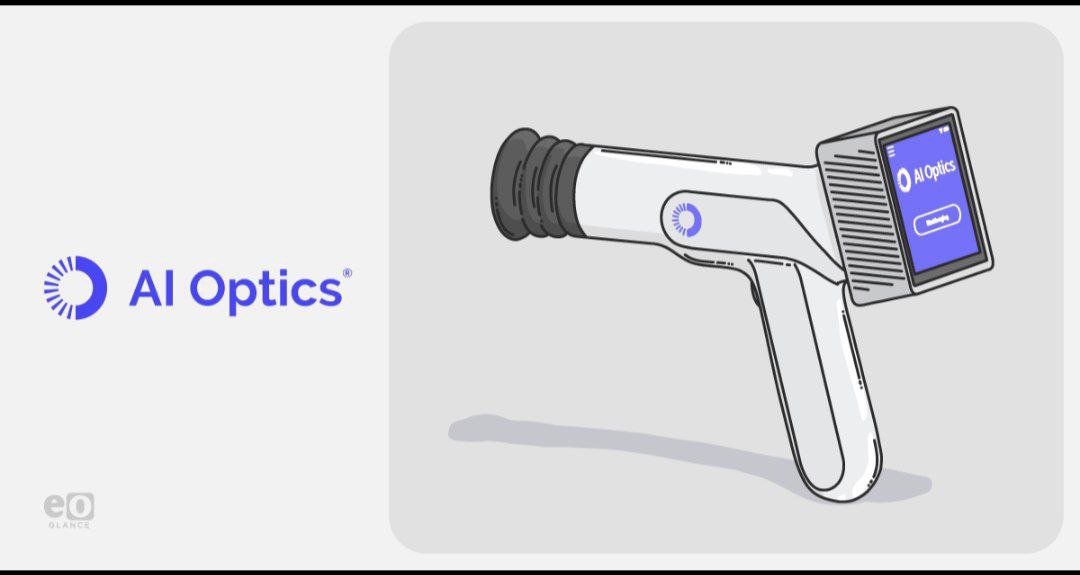
One of the most promising developments is the use of artificial intelligence to analyze retinal images and detect early signs of diseases such as diabetic retinopathy, hypertension-related eye changes, and even neurological disorders through non-invasive examinations. These technologies enable early detection before clinical symptoms appear, improving patient outcomes.
---
3. Multimodal Diagnostic Imaging
Advances in multimodal imaging—combining different imaging techniques and analyzing them using deep learning models—have led to more accurate diagnoses of retinal and corneal diseases. These approaches help ophthalmologists better understand complex cases and tailor treatment strategies more effectively.
---
4. Newly FDA-Approved Treatments and Medications
According to recent reviews, the U.S. Food and Drug Administration (FDA) approved several important ophthalmic treatments in 2025, including:
A newly approved self-administered eye drop for steroid-responsive ocular inflammation.
A novel therapy for dry eye disease (Acoltremon) that stimulates corneal sensory nerves to increase tear production.
The Susvimo system for diabetic retinopathy, which provides continuous treatment with a single refill every nine months, significantly reducing the treatment burden for patients.
Zahraa Jawad
Al-Mustaqbal University
The First University in Iraq.
5. Surgical Innovations and Refractive Procedures
Laser and Advanced Techniques
During scientific events in Egypt, the latest laser-based refractive surgery techniques were presented, including precision laser procedures to reshape the cornea and correct refractive errors. In addition, advanced multifocal intraocular lens implantation was highlighted as a method to improve visual quality while reducing dependence on eyeglasses.
6. Promising Future Innovations
Corneal Transplantation and Innovative Laser Technologies
A medical research project in Jordan developed an advanced laser technique for treating corneal ulcers, using a specific wavelength to precisely target affected areas without damaging healthy tissue.
Future Trends in 2025
Emerging trends include oculomics—the analysis of large-scale retinal imaging data to identify biomarkers of systemic diseases—and AI-driven approaches that link eye diseases with neurological and cardiovascular conditions, positioning ophthalmology as a window into overall health.
Conclusion
Diagnosis is becoming more accurate and predictive through artificial intelligence and advanced imaging technologies.
Newly approved treatments offer improved options for managing inflammation, dry eye disease, and diabetic retinopathy.
Modern surgical techniques provide better outcomes in refractive correction and vision restoration.
Future research is paving the way for gentler corneal therapies and stronger integration between eye health and systemic disease management.