DNA and Its Importance in Determining Hereditary Traits By: Ms. Huda Rafid Al‑Khafaji
Introduction
Deoxyribonucleic acid (DNA) is considered the molecular foundation of life, as it carries the genetic code that determines the traits of living organisms. The discovery of the structure of DNA marked a major turning point in biology and contributed significantly to understanding how hereditary traits are passed from one generation to the next.
What is DNA?
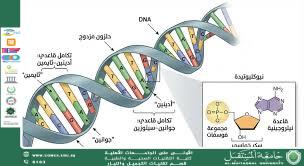
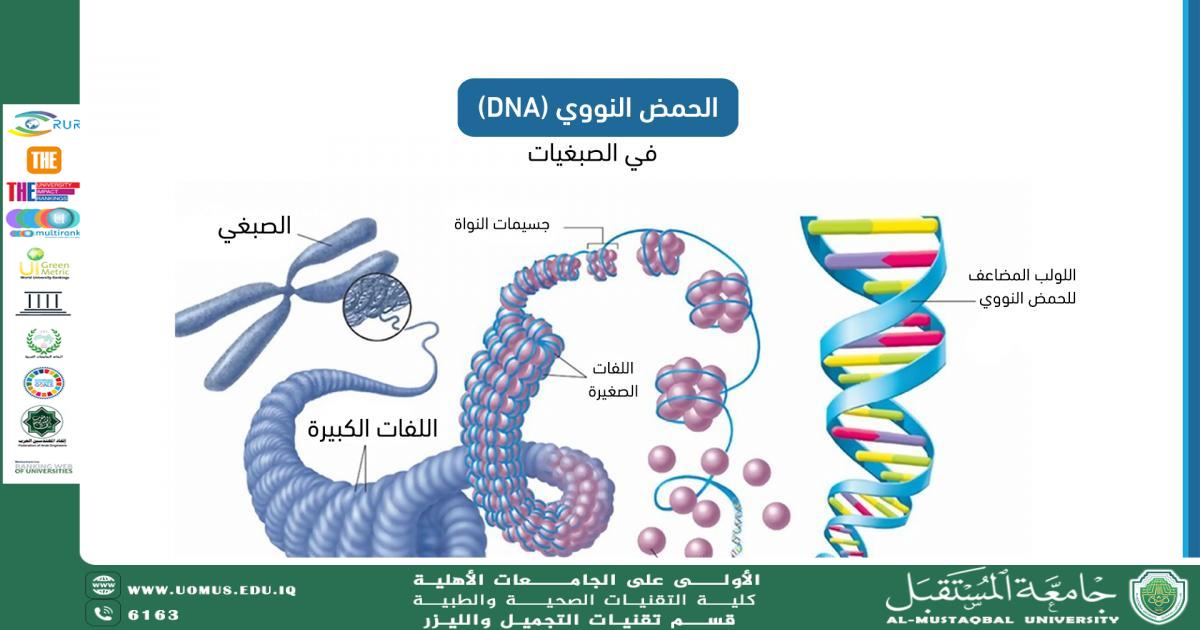
DNA is a long molecule found in the nucleus of cells in most living organisms. It is composed of small units called nucleotides. Each nucleotide consists of a sugar molecule, a phosphate group, and a nitrogenous base. These units are linked together to form a double-helix structure known as the double helix.
Genes and Their Relationship to DNA
Genes are specific segments of DNA that contain the instructions for producing proteins. Proteins play a vital role in determining hereditary traits such as eye color, hair type, height, and various bodily functions. Differences in the sequence of nitrogenous bases among individuals lead to genetic diversity in living organisms.
The Role of DNA in Determining Hereditary Traits
DNA directs the cell to produce proteins that control hereditary traits. For example, certain genes determine the amount of melanin pigment in the skin, which affects skin color. Some traits are inherited according to well-known inheritance patterns, such as dominant and recessive traits, as described by Mendel’s laws of inheritance.
Mutations and Their Effects on Traits
Sometimes changes occur in the DNA sequence, known as genetic mutations. These mutations may be harmless, beneficial, or harmful, potentially causing genetic disorders. Despite their negative effects in some cases, mutations are an important source of evolution and adaptation in living organisms.
Importance of Studying DNA
The importance of studying DNA lies in its wide range of applications, including:
Diagnosing and treating genetic diseases.
Forensic science and personal identification.
Improving agricultural crops.
Understanding evolution and relationships among living organisms.
Conclusion
DNA represents the cornerstone of genetics, as it determines hereditary traits and regulates cellular functions. With continuous scientific advancement, the study of DNA has become increasingly important due to its major role in improving human health and uncovering the secrets of life.
AL_mustaqbal University is the first university in Iraq