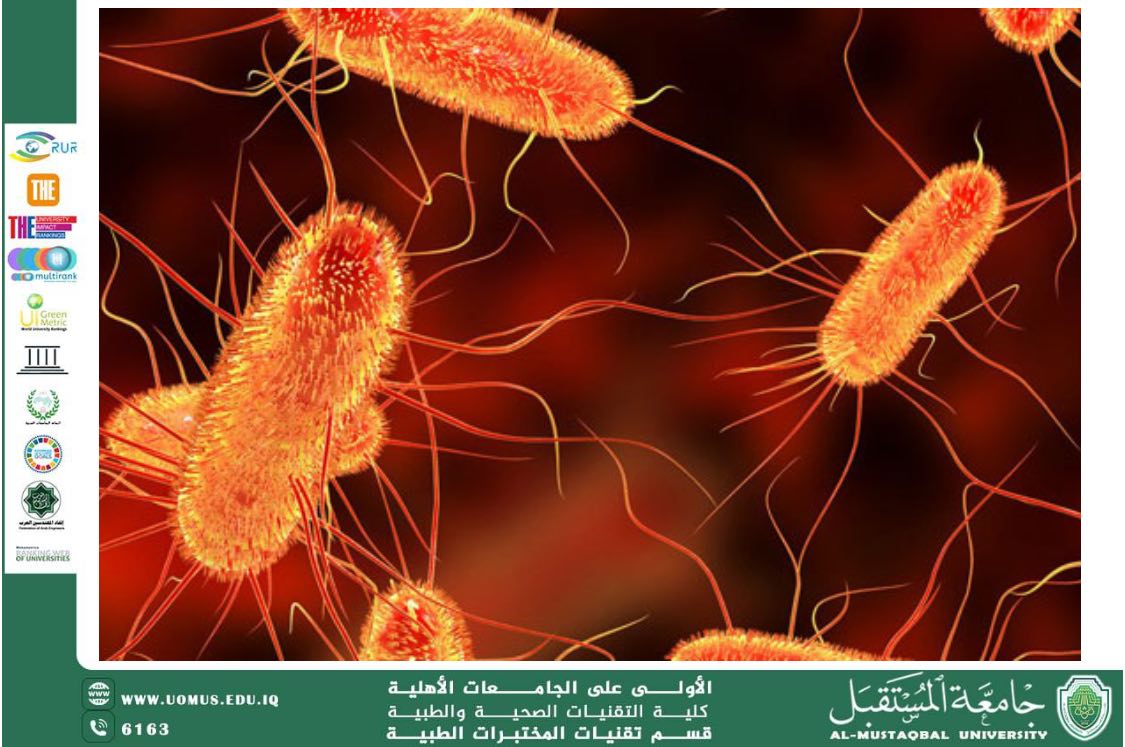
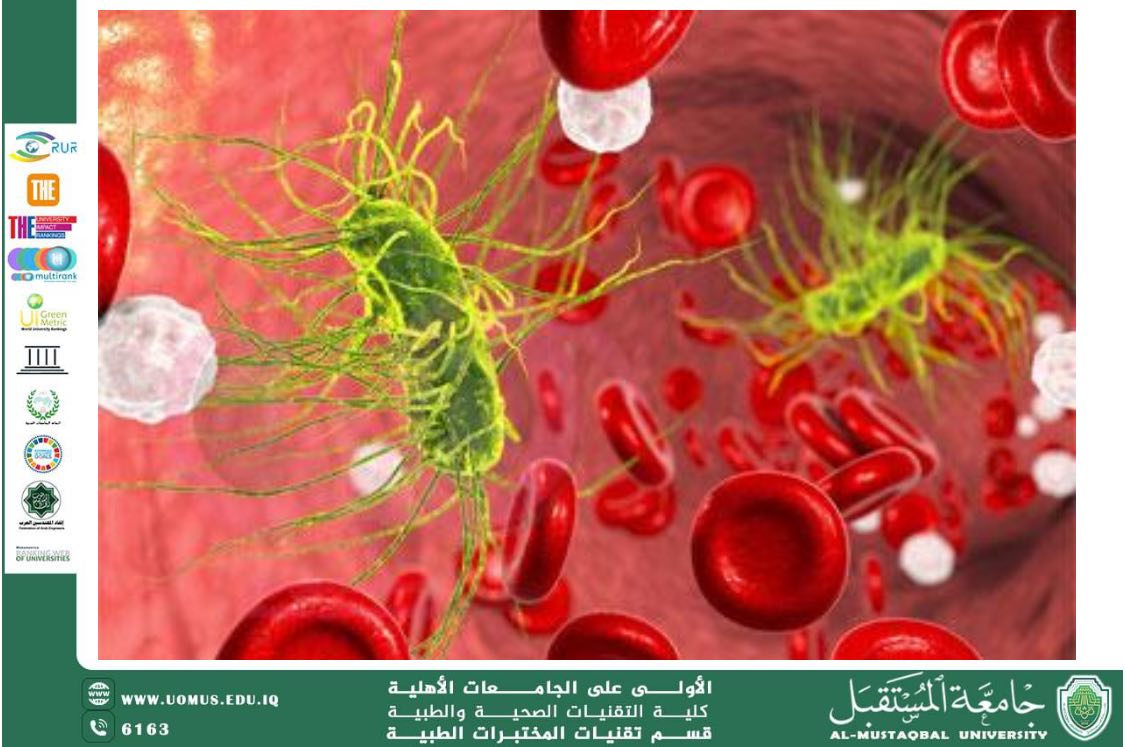
A Scientific Article by Lecturer Ahmed Jamal Entitled: “The Impact of Escherichia coli Infection on Neonatal Health”
Introduction:
Escherichia coli infection is considered one of the significant causes of bacterial infections in newborns, particularly during the first days and weeks of life. Although some strains of this bacterium normally inhabit the human intestine without causing harm, other strains can lead to serious infections that threaten the life of the newborn due to the immaturity of the immune system and the incomplete development of vital organs.
Routes of Transmission:
Escherichia coli infection can be transmitted to newborns through several routes, the most important of which include:
1. Transmission during childbirth: When the fetus passes through the birth canal if the mother is a carrier of the bacteria (infected).
2. Postnatal transmission: Through contact with a contaminated environment or non-sterile medical instruments.
3. Hospital-acquired infection: Especially in premature infants or those requiring intensive care.
Health Effects on Newborns:
1. Sepsis: Escherichia coli is one of the most common causes of neonatal sepsis. This condition may lead to hypotension, organ dysfunction, and can be life-threatening if not treated promptly.
2. Meningitis: This bacterium can reach the central nervous system, causing meningitis, which is one of the most serious complications. Long-term consequences may include intellectual disability, hearing loss, or seizures.
3. Urinary tract infections: Certain strains of Escherichia coli cause urinary tract infections in newborns, which may serve as an early indicator of a more widespread systemic infection.
4. Gastrointestinal disorders: These include diarrhea, vomiting, and dehydration. Severe cases may result in electrolyte imbalance in the body.
Factors Increasing the Risk of Infection:
• Premature birth
• Low birth weight
• Immune system deficiency
• Prolonged labor or prolonged rupture of membranes before delivery
Diagnosis and Treatment:
Diagnosis relies on laboratory investigations such as blood culture or cerebrospinal fluid culture. Early treatment with appropriate antibiotics is crucial to reduce complications and mortality. In many cases, the infant requires intensive medical care and continuous monitoring.
Prevention:
• Proper maternal health care during pregnancy
• Adherence to sterilization and hygiene procedures during and after delivery
• Early detection and treatment of infections
• Breastfeeding due to its role in enhancing the infant’s immune system
Conclusion:
Escherichia coli infection poses a significant health risk to newborns; however, early detection and rapid treatment can greatly reduce complications. Prevention, through proper health care for both mother and child, remains the cornerstone of protecting neonatal health and ensuring healthy growth and development.
Al-Mustaqbal University is the first university in Iraq
Department of Medical Laboratory Techniques – First in the Iraqi National Ranking.