Innovation in Animal Control: Modern Methods of Animal Casting and Immobilization
1. Mechanical and Hydraulic Restraint (Mechanical Restraint)
Instead of traditional ropes that may cause fractures or injuries, modern farms and large veterinary clinics rely on advanced equipment:
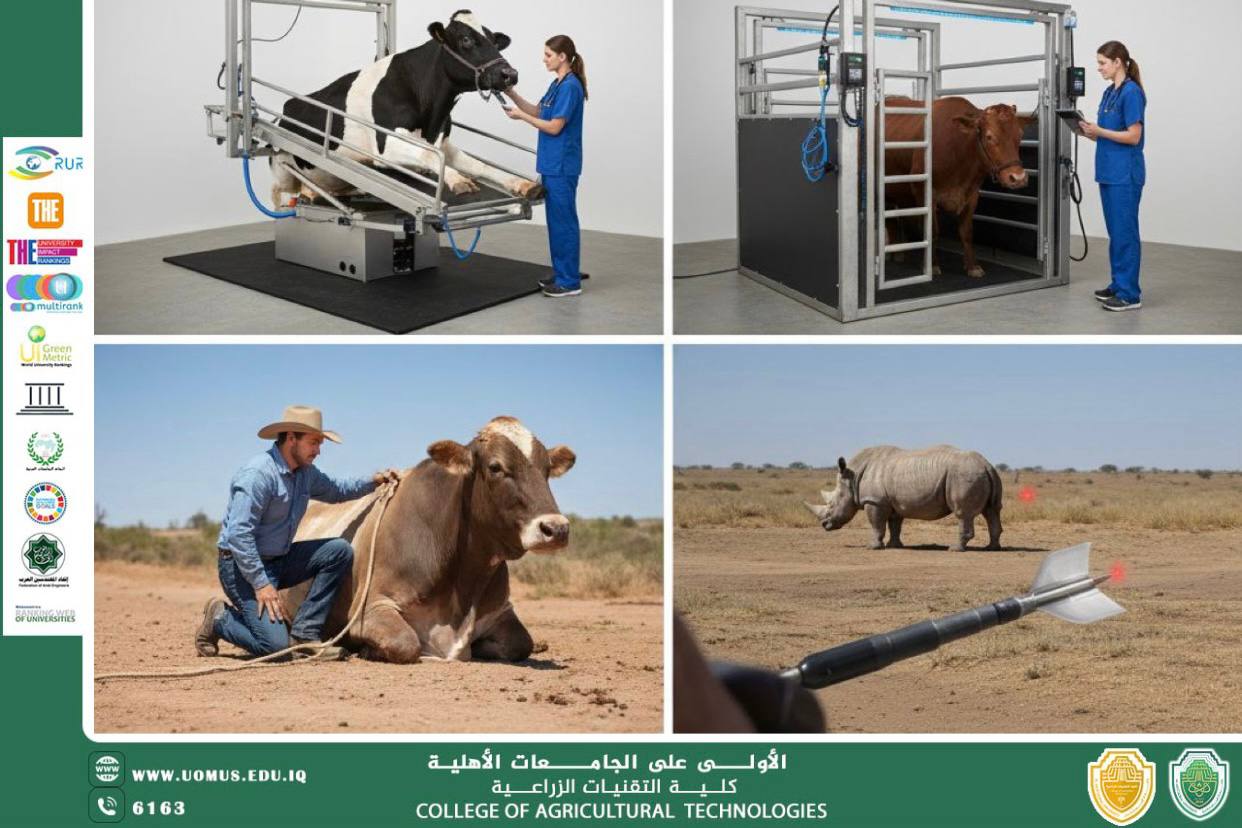
• Hydraulic Tilt Tables:
Used mainly for cattle and horses. The animal is guided into a comfortable metal frame, then the table is hydraulically tilted up to 90 degrees, allowing the animal to lie safely on its side. This greatly facilitates hoof care and abdominal surgical procedures.
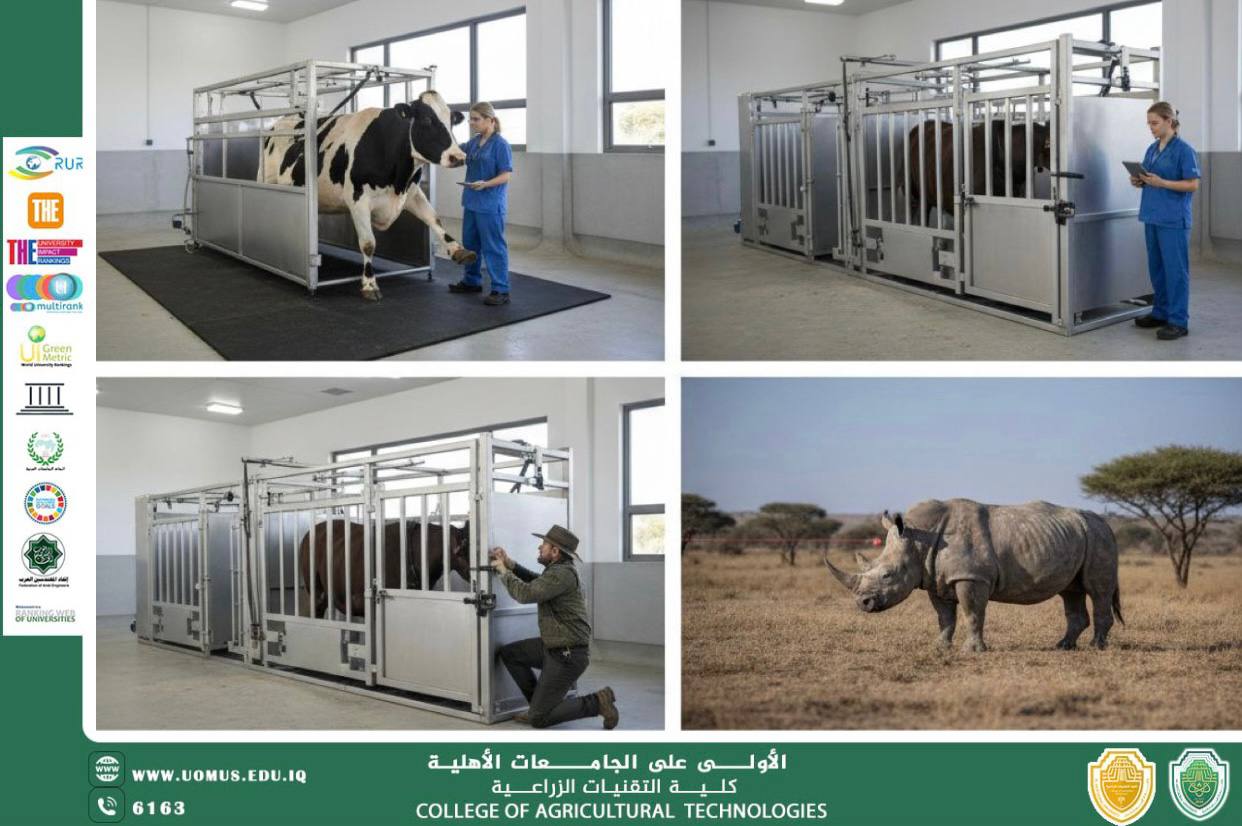
• Smart Squeeze Chutes:
Specially engineered enclosures that gently narrow the space around the animal, creating a sense of stability and reducing movement without causing pain. They are designed with side access panels for examination and treatment.
2. Advanced Chemical Immobilization (Chemical Immobilization)
By 2026, major advances have been made in sedatives that ensure rapid, safe recumbency with minimal recovery time:
• Reversible Sedatives:
Combinations of drugs (such as alpha-2 agonists) are used to induce recumbency within minutes, with specific antagonists available to reverse the effect immediately after the procedure, allowing the animal to recover quickly.
• Smart Darting Systems:
For handling wild or aggressive animals, tranquilizer guns equipped with laser distance-measuring systems are used to ensure accurate injection into large muscle groups while avoiding bones and critical structures.
3. Scientific Manual Restraint Techniques (Technical Roping)
Ropes are still used, but with scientifically based techniques that rely on physiological pressure points rather than random force:
• Ruff’s Method:
This technique involves passing the rope around the neck, chest, and abdomen in a way that applies distributed pressure on specific nerves, encouraging the animal to lie down voluntarily.
• Burley Method:
Considered one of the safest methods today, as it avoids pressure on the chest and reproductive organs. It allows the animal to be laid down and controlled from the rear while minimizing risk to handlers.
4. Use of Digital Technology and Monitoring
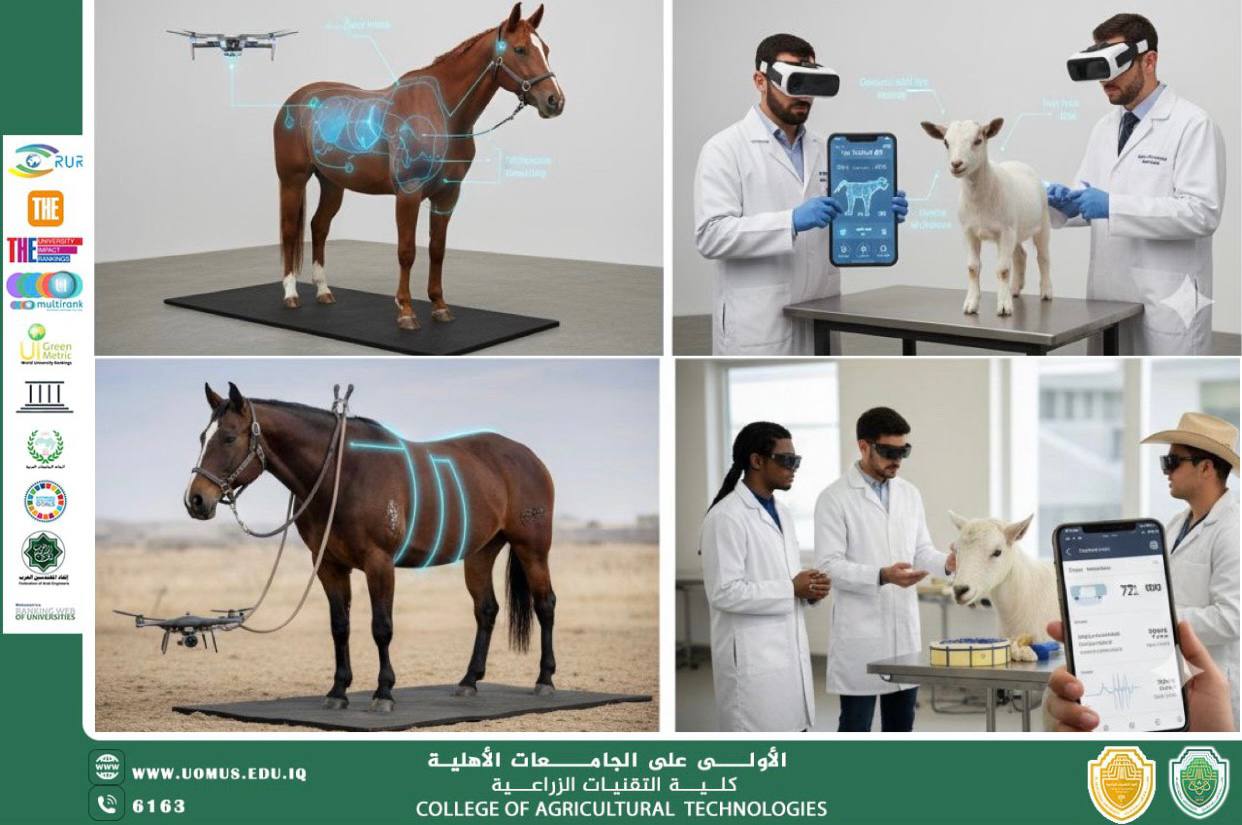
• Wireless Vital Signs Monitoring Devices:
During recumbency, small sensors are placed on the animal’s ear or skin to monitor heart rate and oxygen saturation via a mobile application, ensuring the animal does not enter shock due to stress.
• Augmented Reality (AR):
Used to train students and newly graduated veterinarians on correct rope angles and injection sites before applying techniques to live animals.
Safety Tips During Recumbency:
• Ground Surface:
The animal should be laid down on a soft surface (sand, grass, or rubber mats) to prevent head or joint injuries.
• Fasting:
Large animals should be fasted for a short period before chemical immobilization to reduce the risk of digestive complications such as bloat.
• Covering the Eyes:
Once the animal is in recumbency, covering its eyes significantly helps calm it and reduces reactions to external stimuli.