
Milk production efficiency in cows
Milk production efficiency in dairy cows is considered one of the fundamental indicators of success in animal production systems, due to its direct role in achieving economic feasibility and environmental sustainability. This efficiency reflects the cow’s ability to convert feed resources into milk with high productivity and good quality, while maintaining health and reproductive performance. This article aims to review the concept of milk production efficiency, the factors affecting it, and the methods for its improvement.
Milk represents one of the most important animal products because of its high nutritional and economic value. Modern animal production programs seek to improve milk production efficiency in dairy cows through integrated management of nutrition, genetics, health, and environment. Increasing milk yield alone does not necessarily indicate high efficiency unless it is accompanied by optimal use of resources and reduction of losses and costs.
Concept of Milk Production Efficiency
Milk production efficiency is defined as the ratio of the amount of milk produced to the amount of inputs used, especially feed and energy. The higher the amount of milk produced per unit of feed consumed, the greater the production efficiency. This efficiency is considered an important indicator for evaluating the productive performance of dairy cows.
Factors Affecting Milk Production Efficiency
1. Genetic Factors
Breed plays a major role in determining production level, as some breeds, such as Holstein, are characterized by high milk-producing capacity. Genetic selection programs also contribute to improving productive traits and feed conversion efficiency.
2. Nutrition and Ration Management
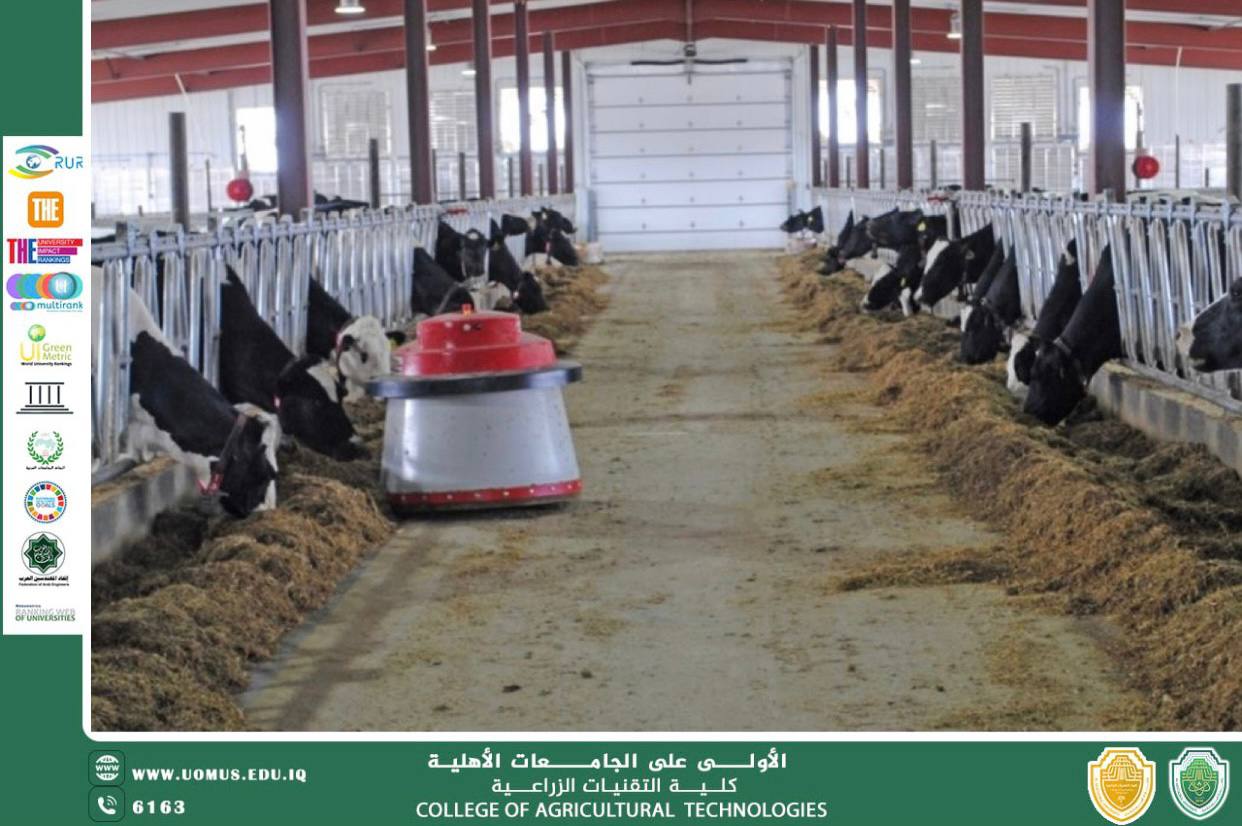
Balanced nutrition is the most influential factor in milk production efficiency. Rations must contain energy, protein, minerals, and vitamins in proportions that meet the needs of cows according to the stage of lactation. Any nutritional imbalance leads to reduced milk yield or deterioration of animal health.
3. Health Status
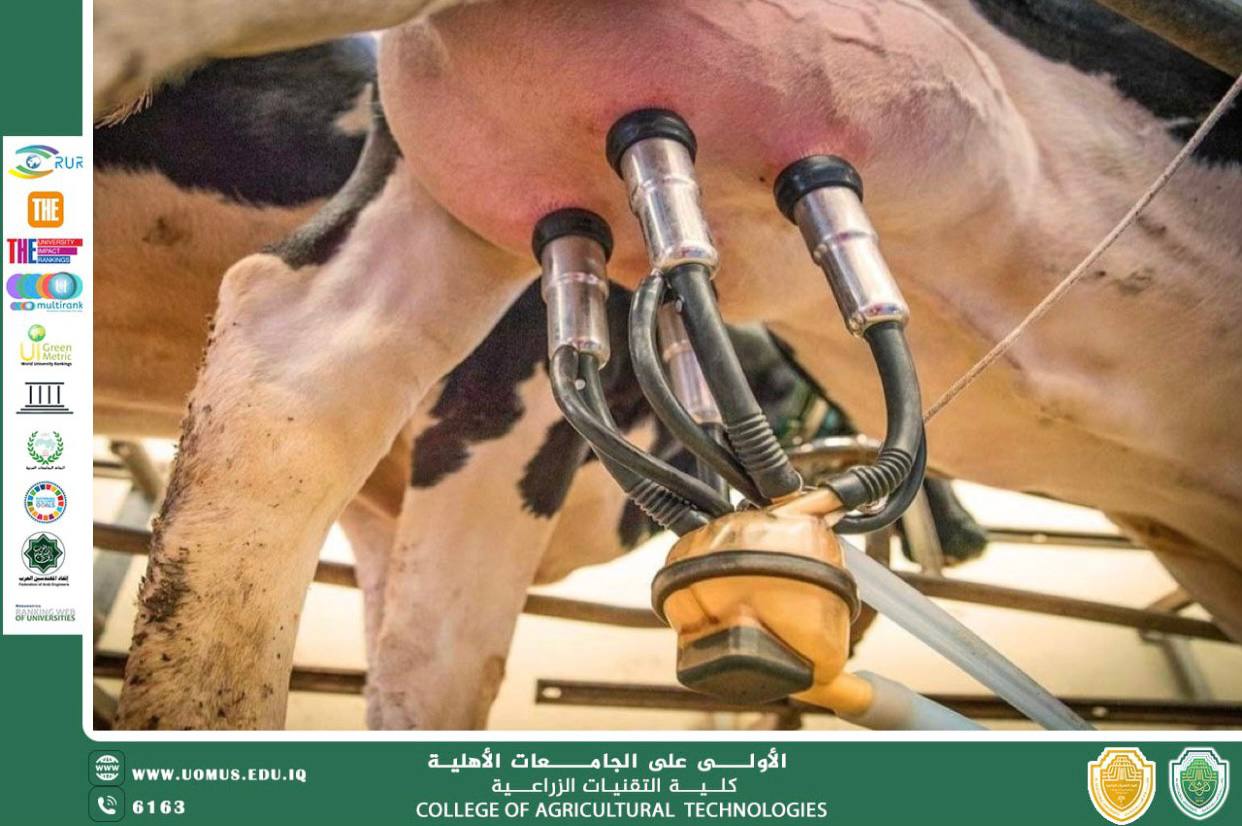
Udder health and digestive system health directly affect production efficiency. Diseases such as mastitis and rumen disorders lead to reduced milk quantity and quality and increase economic losses.
4. Management and Environment
Good management includes providing a comfortable environment for cows, organizing milking schedules, and reducing heat stress, especially in hot regions. High temperatures reduce feed intake, which in turn lowers milk production.
5. Age and Stage of Lactation
Milk production efficiency reaches its peak during specific periods of the cow’s age and lactation cycle, with higher production in early and mid-lactation compared to the late stage.
Improving Milk Production Efficiency
Milk production efficiency can be improved through:
• Implementing precise feeding programs based on the actual requirements of cows.
• Adopting genetic improvement programs and selecting high-efficiency breeds.
• Emphasizing disease prevention and regular health monitoring.
• Improving housing conditions and reducing environmental stress.
• Training workers on modern management practices.
Economic and Environmental Importance
Improving milk production efficiency helps reduce production costs and increase farmers’ profits, in addition to reducing the consumption of natural resources and emissions resulting from animal production activities, thereby enhancing sustainability in livestock production.
Conclusion
Milk production efficiency in dairy cows represents a cornerstone in the development of the dairy sector, as it depends on the interaction of genetic, nutritional, health, and managerial factors. Investing in improving these factors is essential to achieving sustainable, high-quality milk production that supports food security and the national economy
Al-Mustaqbal University… the leading private university in Iraq.