
Gene Therapy: A Revolution in Modern Medicine By huda rafid abd alkhaleq
Introduction
Modern medicine is witnessing rapid advancements thanks to scientfic and technological progress. Among the most remarkable developments is gene therapy, which has brought a transformative shift in understanding and treating many complex diseases. Unlike conventional treatments that address symptoms, gene therapy targets the root cause of disease—the genetic defect.
What is Gene Therapy?
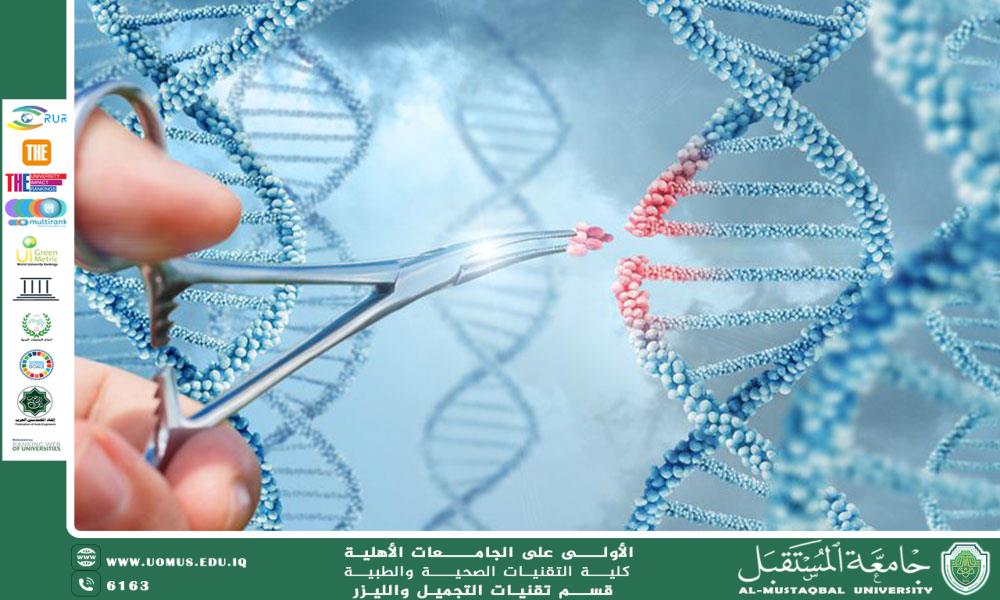
Gene therapy is a medical approach that aims to treat or prevent diseases by modifying genes within human cells. This can be done by repairing a defective gene, replacing it with a healthy one, or deactivating a gene that causes disease.
How Gene Therapy Works
Gene therapy often relies on vectors (commonly genetically modified viruses) to deliver healthy genes to target cells. Once inside the cell, the gene begins performing its natural function, correcting the genetic defect and improving the patient’s condition.
Applications of Gene Therapy
Gene therapy has achieved notable successes in treating several conditions, including:
Rare genetic disorders such as primary immunodeficiency
Cancer, by modifying immune cells to attack cancerous cells
Blood disorders like thalassemia and sickle cell anemia
Certain hereditary eye diseases that cause vision loss
Benefits of Gene Therapy
Treats the underlying cause of disease, not just the symptoms
Reduces the need for long-term treatments
Improves patients’ quality of life
Opens new possibilities for treating previously untreatable diseases
Challenges and Risks
Despite its advantages, gene therapy faces several challenges:
High cost
Possibility of unexpected side effects
Ethical concerns related to gene modification
Need for further studies to ensure long-term safety
The Future of Gene Therapy
Gene therapy is one of the most promising fields in modern medicine. With continued research and clinical trials, it is expected to become safer and more widely available in the future. It has the potential to significantly advance personalized medicine, which tailors treatment to an individual’s genetic makeup.
Conclusion
Gene therapy represents a true revolution in modern medicine, offering hope to millions of patients worldwide. Despite current challenges, ongoing scientific progress makes gene therapy a key step toward a more advanced and effective medical future.