Coastal Hibiscus (Sea Hibiscus / Beach Hibiscus)
Coastal Hibiscus (Sea Hibiscus / Beach Hibiscus)
Hibiscus tiliaceus
Prof. Dr. Tahani Mohammed Jawad Ali
The coastal hibiscus, scientifically known as Hibiscus tiliaceus, belongs to the Malvaceae family. Its native habitat is Southeast Asia and the Pacific Islands, and generally the southern coastal regions below the equator.
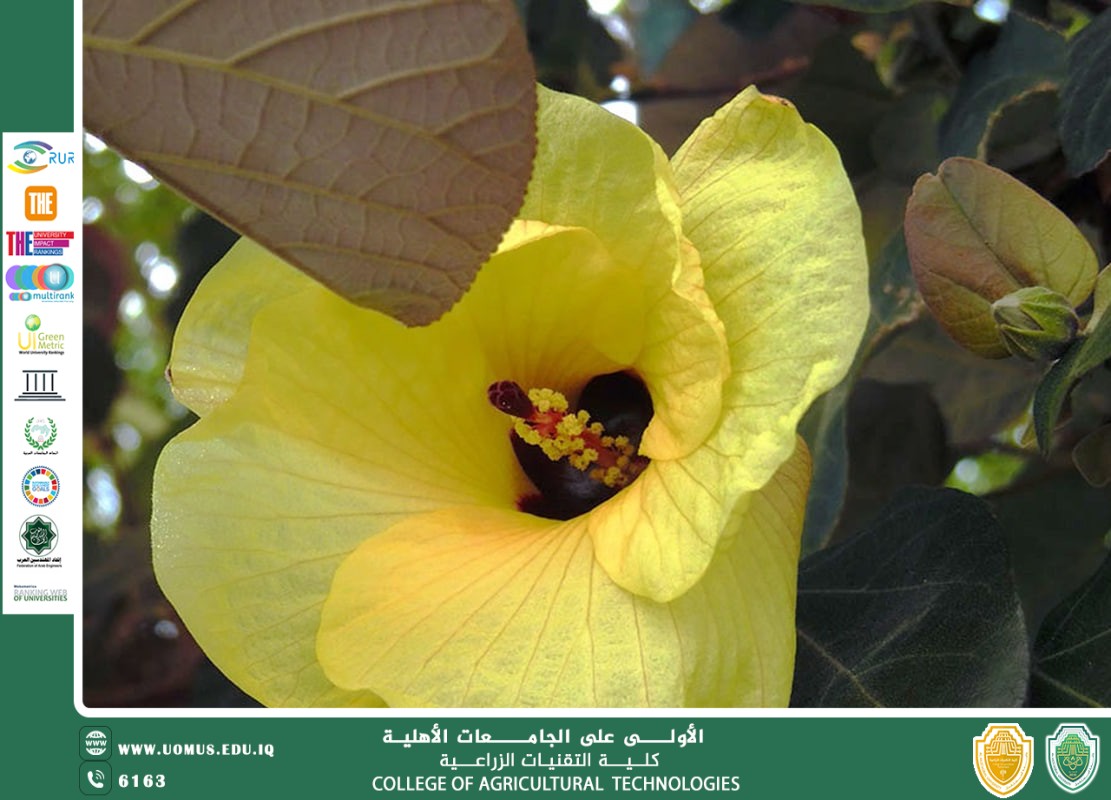
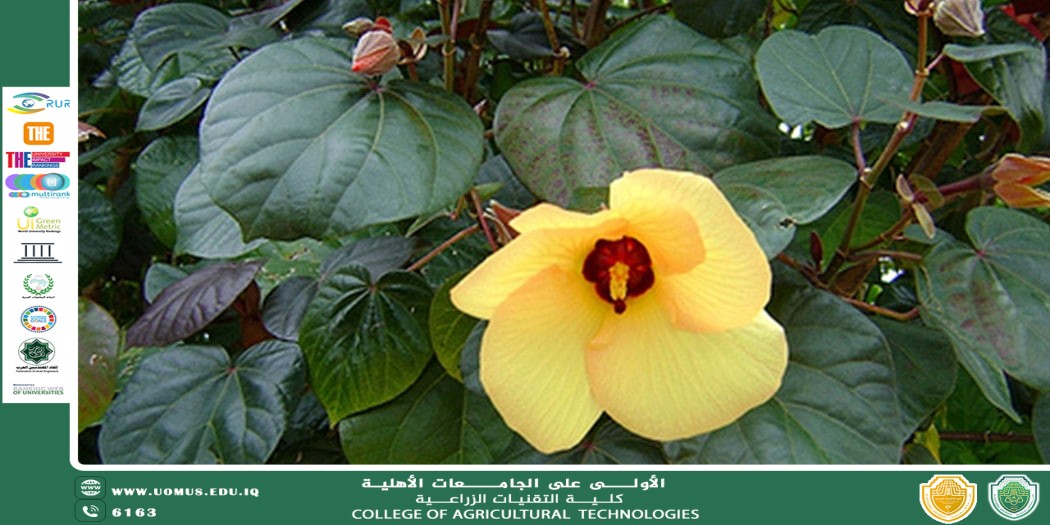
This genus includes more than 200 species. Its flowers bloom abundantly in spring and appear intermittently throughout the year. The lifespan of a single flower usually does not exceed one or two days, after which it turns orange before wilting and falling. The flowers are striking in size, reaching up to approximately 15 cm in diameter, and their colors vary depending on the species, including yellow (as shown in the image above), red, white, and others.
The plant can be used as an ornamental plant indoors, in public spaces, road medians, and parks, and it is also suitable for use as a plant hedge. It can be grown in pots and has multiple uses, including medicinal and cosmetic applications, as well as cultivation in certain areas to help reduce desertification. The tree can reach a height of up to 10 meters.
⸻
Care Methods for Coastal Hibiscus (Sea Hibiscus)
The plant does not require intensive care. Maintenance mainly includes fertilizing twice a year, and pruning is preferably done after the end of the flowering season in late spring. It prefers semi-shaded locations but also grows well in sunny areas. It tolerates high salinity and hard water, which makes it suitable for cultivation near coastal areas. Irrigation should be carried out twice a week during summer and reduced in winter. The plant also tolerates high salinity and moderate drought.
⸻
Propagation Methods of Coastal Hibiscus
Propagation can be done through stem cuttings in spring (vegetative propagation by cuttings results in earlier flowering), by seeds, and by air layering. Seeds require stratification and soaking in warm water before planting. Stem cuttings root easily and help preserve the characteristics of the parent plant. Trees propagated by cuttings flower earlier than those grown from seeds.
The coastal hibiscus is a strong tree suitable for planting in public areas. It tolerates pruning, whether the purpose is to maintain a small size or to use it as a hedge. For good flowering, the plant requires adequate light, regular irrigation, and fertilization. Light frost may cause damage to the leaves, but the plant quickly recovers and resumes growth.
⸻
Methods of Planting Coastal Hibiscus (Sea Hibiscus)
1. The soil should be fertile.
2. Prolonged soil moisture with poor drainage causes rapid root rot.
3. Planting should begin from February to March.
4. Trees require proper pruning in August and October.
5. Proper pruning helps achieve a well-balanced and attractive shape.
⸻
Recommendations for Coastal Hibiscus
1. Irrigate coastal hibiscus trees moderately without excessive watering; they can be grown in soils with high salinity.
2. Fertilization is an essential and important aspect of caring for this plant.
3. During the first months after planting, the plant requires nutritional fertilization.
4. These trees can be cultivated in regions with hot summers and strong sunlight.
5. It is highly recommended to plant these trees in homes and road medians within cities, as they are tolerant of high temperatures and high salinity.
Al-Mustaqbal University is ranked first among private universities in Iraq.