The role of electrical engineering in developing sustainable energy systems
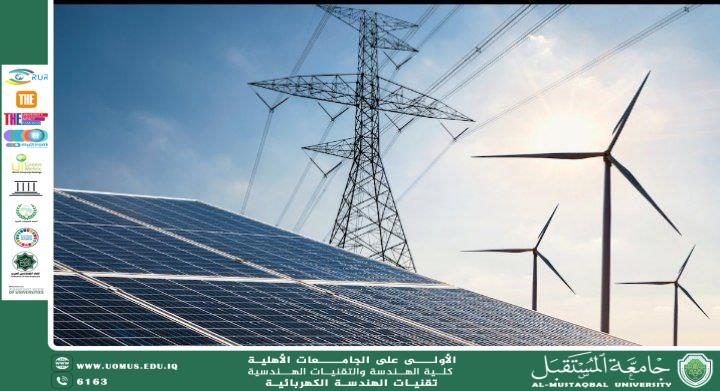
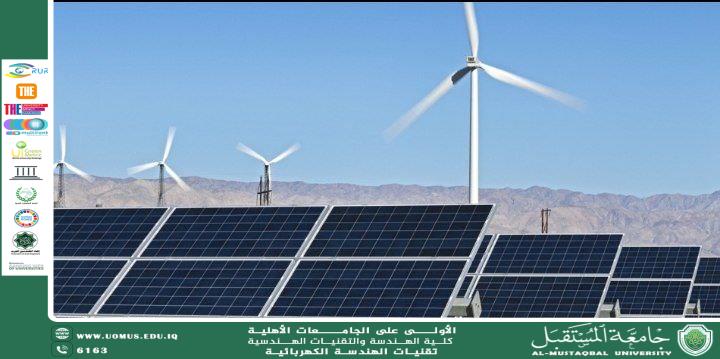
Engineer Shams Saleem explains that electrical engineering plays a pivotal role in developing sustainable energy systems by designing and implementing power systems based on renewable energy sources. Photovoltaic (PV) systems are among the most widespread of these sources. A solar power system consists of solar panels that convert solar radiation into direct current (DC) electricity using solar cells. This DC current is then passed to an inverter to convert it into alternating current (AC) suitable for use in residential and industrial loads before being connected to the public electricity grid. Electrical engineers study the tilt angle and orientation of the panels, calculate the output power, select cable sizes, and choose protective devices such as circuit breakers and surge protectors to ensure the highest operational efficiency and safety for the system. Energy storage systems, such as lithium-ion batteries, also play a crucial role in storing surplus energy and utilizing it during periods of low solar irradiance or grid outages. This enhances system stability and reduces power losses. Furthermore, smart grid technologies and smart meters contribute to highly efficient monitoring of production and consumption, as well as load management. This leads to reduced carbon emissions and lower operating costs in the long term, supporting the requirements of sustainable development and building a clean, safe, and environmentally friendly energy system.
Al-Mustaqbal University, the leading university in Iraq.