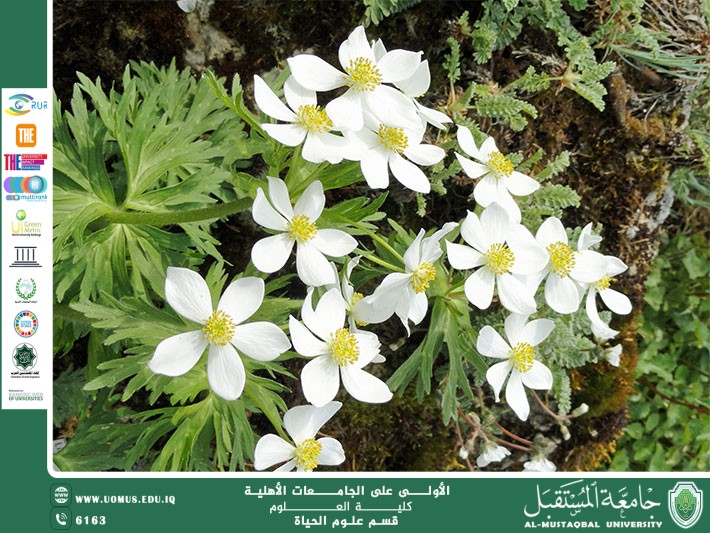

A scientific article by Miss Nour El-Hoda Azmy Hassan entitled "The effect of the environment on the shape and colors of flowers"
The environment plays an important role in determining the shape and colors of flowers, as plants are affected by many factors such as light, temperature, water, soil, and salinity. Flowers are an essential part of the plant’s reproductive process, so environmental changes may affect their ability to attract pollinators such as bees, butterflies, and birds.
1. Effect of Light
Light is one of the most important factors that affect the color and shape of flowers:
Increased light may enhance the brightness of colors, especially vivid colors such as red and orange.
Low light may lead to pale colors or smaller flowers.
Some plants require specific photoperiods to start flowering (such as short-day or long-day plants).
2. Effect of Temperature
Temperature plays a major role in shaping flowers:
High temperatures may accelerate flower growth but may reduce color stability.
Cold temperatures may result in deeper or different colors due to changes in pigment formation within the plant.
Some plants bloom only at certain temperatures.
3. Effect of Water and Humidity
Water affects flower size and vitality:
Water deficiency may cause the flower to become smaller and less vibrant.
Increased humidity may produce larger flowers but sometimes with lower density or increased susceptibility to fungal diseases.
Humidity also affects the flower’s lifespan and its ability to persist.
4. Effect of Soil and pH
Soil properties clearly affect flower color in some plants, such as:
Hydrangea: its flower color changes according to soil acidity; in acidic soil the color becomes blue, while in alkaline soil it becomes pink.
Some soil elements such as iron and aluminum affect flower pigments.
5. Effect of Salinity
Salinity affects plants in general and flowers in particular:
High salinity may reduce flower growth and decrease its size.
It may lead to paler colors or a reduction in the number of flowers.
6. Effect of Pollution and Environmental Stress
Pollution, such as sulfur dioxide or exhaust fumes, may alter flower shape or reduce flower production:
Chemicals may cause deformities in flowers.
The number of pollinators may decrease due to pollution, affecting reproductive success.
It can be said that the environment has a direct and indirect impact on flower shape and colors, as environmental factors modify photosynthesis processes, pigment formation, and the growth of floral tissues. Therefore, differences in environmental conditions from one region to another lead to noticeable differences in flower shape and color, even within the same plant species.
Al-Mustaqbal University is the First University in Iraq