The Skeleton: The Foundation of the Human Body and Its Vital Role in Health and Daily Functions
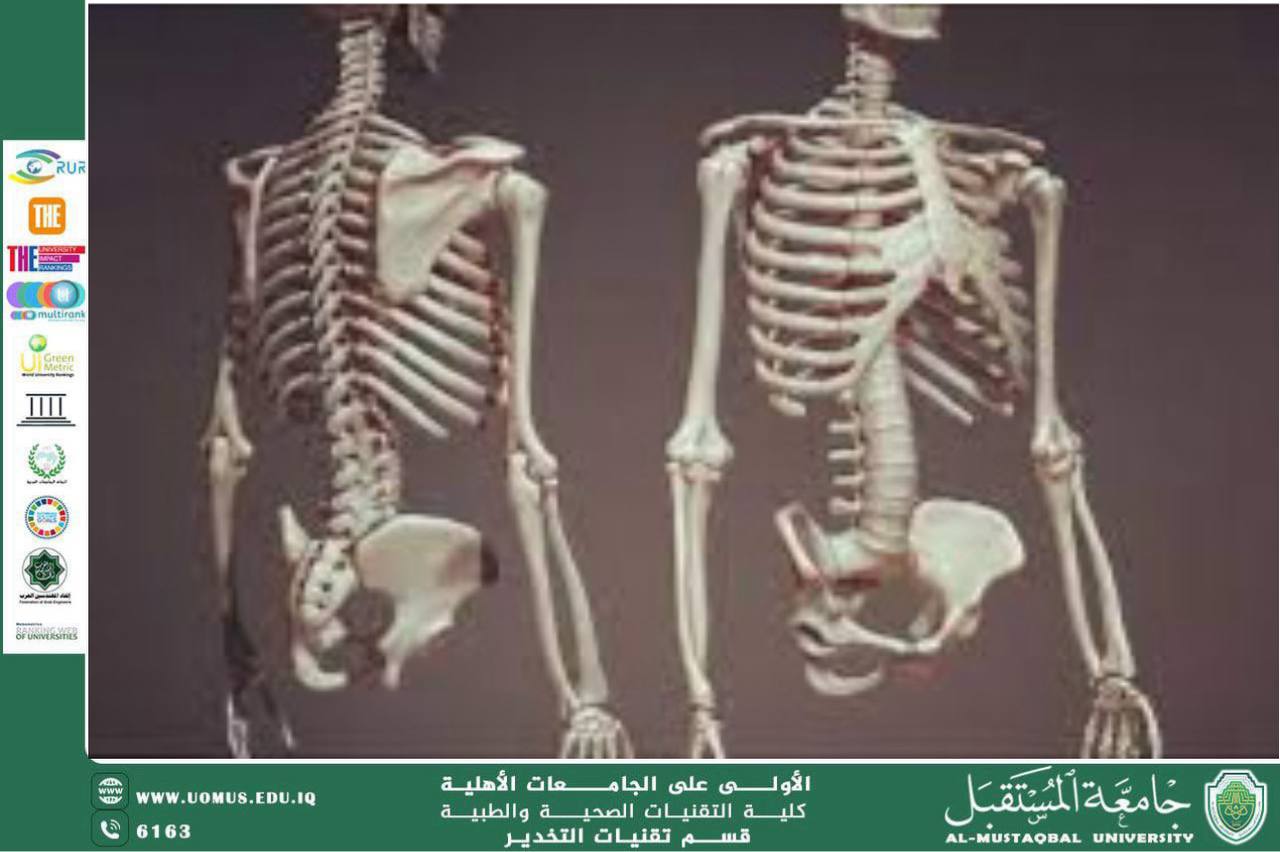
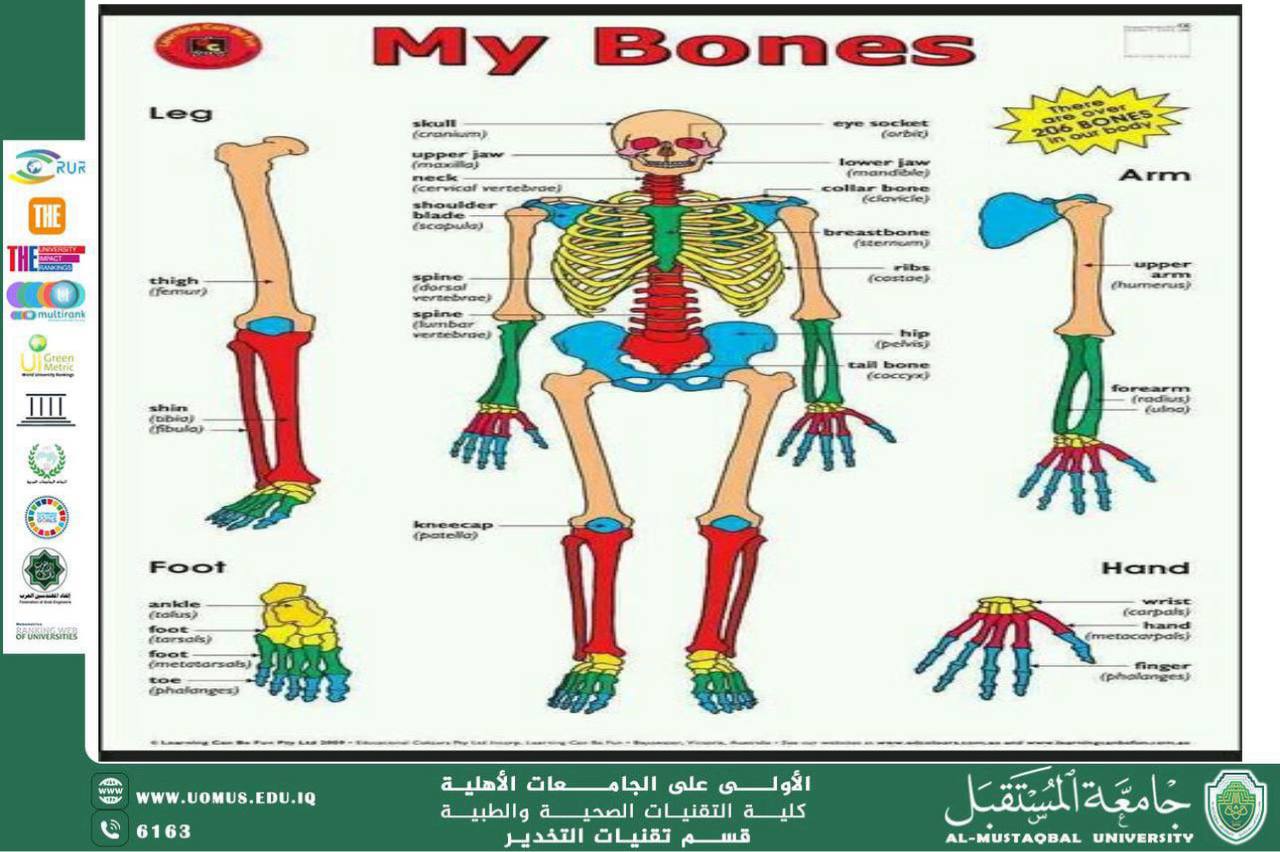
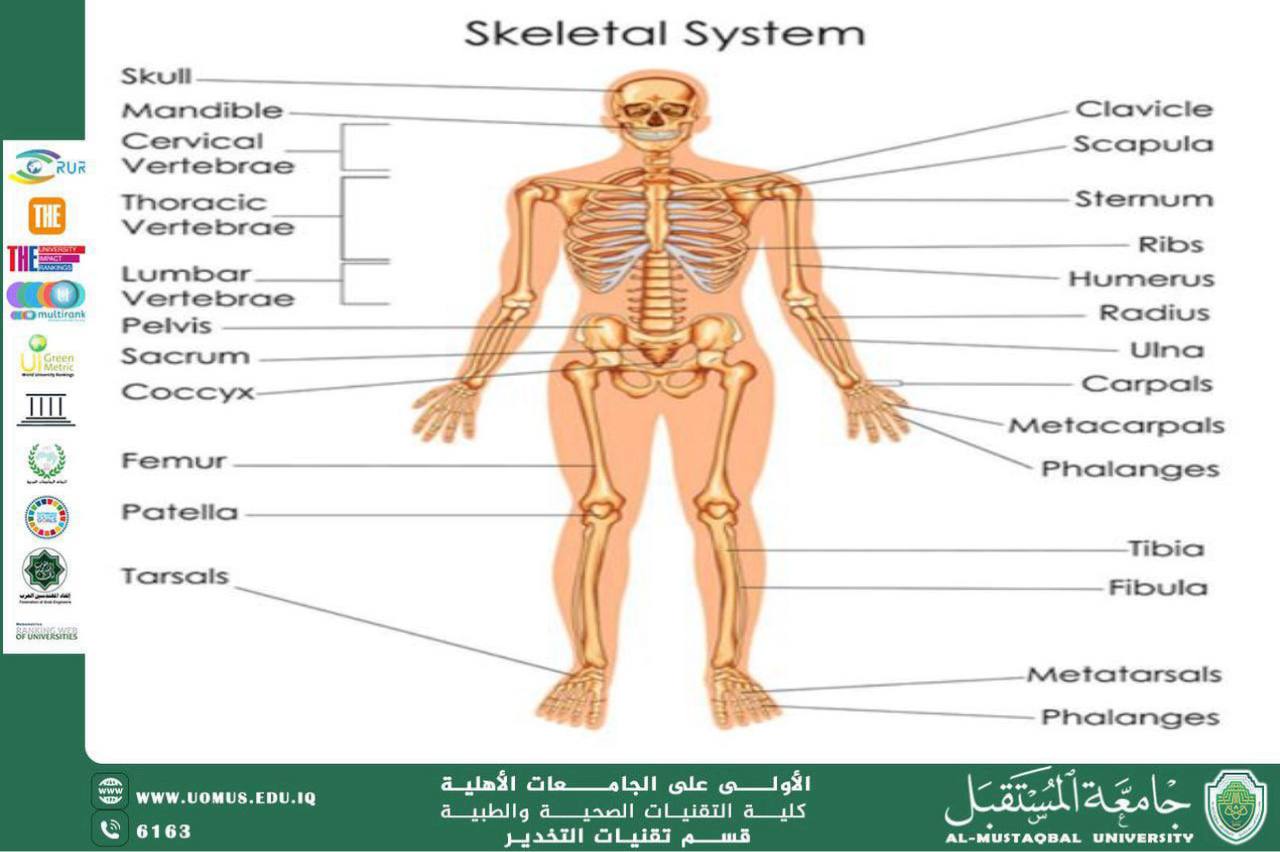
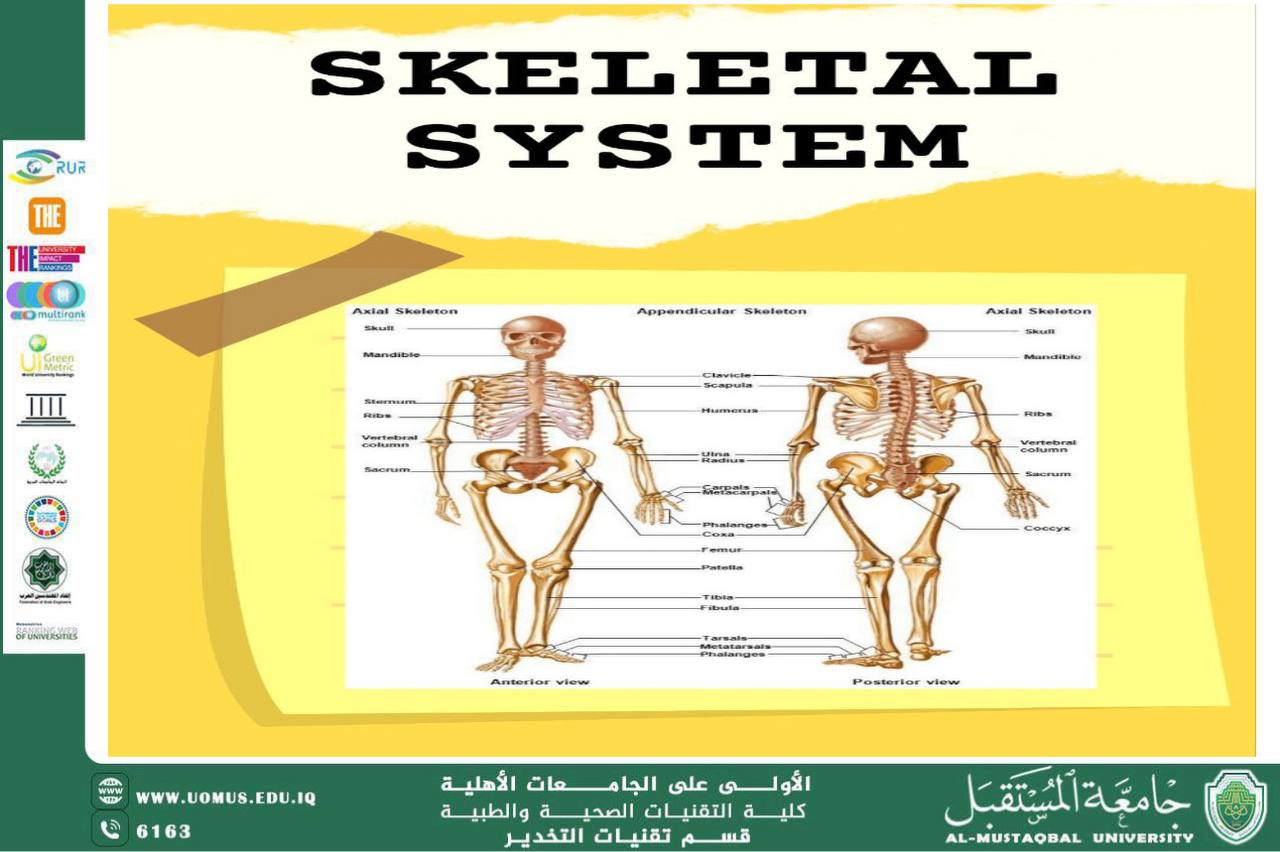
The skeleton is the fundamental element that supports the human body, giving it its shape and form. It also enables movement and protects vital organs from injury. The skeleton consists of more than 200 bones connected by joints, acting as a supportive framework for the body from head to toe. However, in addition to its structural role, bones play a significant part in many other biological functions, such as producing blood cells, storing minerals like calcium and phosphorus, and contributing to the body's chemical balance. In this article, we will discuss the composition of the skeleton, its vital functions, and ways to maintain and promote its health.
1. Skeletal Composition:
The human skeleton consists of two main types of bones:
Long bones, such as the bones of the arms and legs, are characterized by their length and contribute primarily to movement.
Short bones, such as the bones of the wrist and ankle, provide support for movement but are shorter.
Flat bones, such as the bones of the skull and the shoulder blades, which protect vital organs like the brain.
Irregular Bones: Such as the bones of the spine (vertebrae), which vary in shape and structure.
In total, the human skeleton contains approximately 206 bones in adults; however, this number may change during childhood, as children's bodies contain many small bones that fuse over time.
2. Functions of the Skeleton:
2.1. Body Support:
The skeleton acts as a framework that supports the body and allows it to stand upright. It provides a stable base for the vital tissues and organs within the body. For example, bones such as the spine (vertebrae) support the torso and allow for flexibility in movement.
2.2. Protection of Vital Organs:
One of the primary functions of the skeleton is to protect vital organs from injury. For example, the skull protects the brain from impacts, the rib cage protects the lungs and heart, and the backbone and ribs protect the spinal cord.
2.3. Movement and Coordination:
The skeleton plays a fundamental role in movement through the joints that allow the limbs to move in different ways. Bones work with muscles and tendons to move limbs in various directions. For example, leg bones work with muscles to propel the body during walking or running.
2.4. Mineral Storage: Bones are a primary reservoir for many minerals, such as calcium and phosphorus, which are vital for the body's various functions. These minerals are released into the bloodstream as needed, helping to maintain the body's chemical balance.
2.5. Blood Cell Production: Bone marrow, located within bones, produces red blood cells, white blood cells, and platelets. These cells are essential for immunity, oxygen transport, and healing from injuries. This highlights the vital role of bones in maintaining the health of the circulatory and immune systems.
3. Factors Affecting Skeletal Health:
3.1. Nutrition: Proper nutrition plays a significant role in maintaining bone health. Calcium and vitamin D are essential for bone health. Foods such as dairy products, leafy green vegetables, and fatty fish are rich sources of calcium and vitamin D. A deficiency in these nutrients can lead to weakened bones and an increased risk of osteoporosis.
3.2. Physical Activity:
Regular exercise such as walking, running, and weightlifting contributes to strengthening bones and stimulating the production of bone tissue. Weight-bearing exercises, which require bones to work against gravity, promote bone density and prevent osteoporosis.
3.3. Aging:
As we age, the skeletal system becomes more susceptible to diseases such as osteoporosis, as collagen production decreases and bone density weakens. This increases the likelihood of fractures.
3.4. Genetic Factors:
Genes play a significant role in determining skeletal health. Individuals with a family history of bone diseases such as osteoporosis or arthritis may be more prone to developing these conditions.
4.Ways to Maintain Skeletal Health:
4.1. Balanced Diet:
A balanced diet containing sufficient amounts of calcium and vitamin D should be consumed. Calcium supplements may be necessary in some cases, especially for older adults or those with calcium deficiency.
4.2. Regular exercise:
Bone-strengthening exercises such as walking, jogging, and weightlifting can maintain bone density and reduce the risk of fractures. Flexibility and balance can also be improved through exercises like yoga or tai chi.
4.3. Bone density scans:
It is essential for people at risk of osteoporosis, such as older adults, to have regular bone density scans. These scans can help detect problems early and guide appropriate treatment.
4.4. Avoid harmful habits:
Smoking and alcohol consumption can negatively affect bone health. These habits should be reduced or avoided altogether to maintain skeletal health.
5. Finally:
The skeletal system is the fundamental structure that supports the body and protects its vital organs. It performs multiple functions that make our daily lives possible. By taking care of our bones through good nutrition, regular exercise, and maintaining a healthy lifestyle, we can maintain skeletal health throughout our lives. Bones are not just a rigid structure; they are a vital organ that requires continuous care and attention to maintain our overall health and quality of life.
Ali Rasool
Al-Mustaqbal University
The First University in Iraq.