A scientific article by Dr. Shaimaa Adel Khudair entitled: “Nutrition and Recovery After Aesthetic Procedures: A Key Factor for Healing and Better Outcomes”
After aesthetic procedures—whether minimally invasive (laser, microneedling, injections) or surgical (blepharoplasty, liposuction, rhinoplasty)—the body enters a repair phase. Healing requires energy, building materials, and immune balance. This is exactly where nutrition becomes critical. Good nutrition can support faster recovery, reduce complications, improve scar quality, and enhance the final aesthetic outcome.
1) What happens during recovery?
Healing is not one event; it occurs in stages:
1. Inflammation phase: the body controls bleeding and begins defense
2. Proliferation phase: new tissue forms, collagen begins to rebuild
3. Remodeling phase: collagen reorganizes and scars mature over weeks to months
Nutrition affects all phases. If the patient has poor dietary intake, these phases can be slower and less effective.
2) Protein: the foundation of repair
Protein provides amino acids for:
• Collagen production
• New tissue formation
• Immune system support
• Enzyme and hormone activity involved in healing
Inadequate protein may lead to delayed wound healing and weaker scar formation. This matters especially after surgery and after strong resurfacing procedures.
Practical sources:
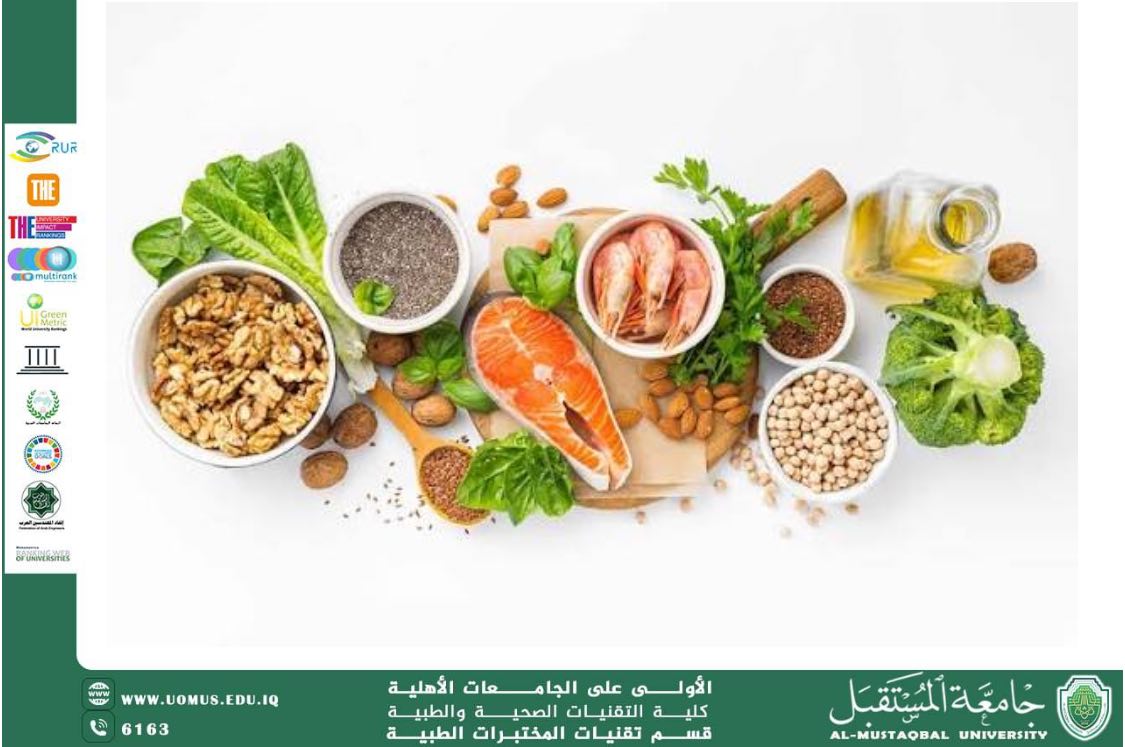
• Eggs, chicken, fish, yogurt
• Lentils, beans, chickpeas
• Protein should be distributed across meals, not just in one meal
3) Vitamins and minerals that support healing
Vitamin C: essential for collagen synthesis and immune support.
Vitamin A: supports epithelial repair and tissue regeneration.
Zinc: supports immune response and wound healing.
Iron: important for oxygen transport; low iron may contribute to fatigue and poor healing.
Vitamin D: supports immune regulation; many populations have low vitamin D, which may affect overall recovery.
In a university article, it is reasonable to state that micronutrients should ideally come from a balanced diet, and supplementation should be medical-guided when deficiency is suspected.
4) Hydration and circulation
Good blood flow brings oxygen and nutrients to healing tissue. Hydration supports circulation and helps reduce constipation and fatigue after procedures. Patients should aim for regular water intake and limit dehydration triggers.
5) Foods and habits that can delay recovery
Excess sugar: may increase inflammation and slow tissue repair.
Smoking: strongly delays healing, reduces oxygen delivery, and worsens scar quality.
Alcohol: may increase dehydration and interfere with immune function.
Very low-calorie dieting: some patients diet aggressively after body procedures, but extreme calorie restriction can slow healing.
6) Nutrition considerations for different procedures
After surgical procedures:
• Higher protein needs
• Focus on iron, vitamin C, and zinc
• Prevent constipation (fiber + water) because pain medications can worsen it
After laser resurfacing / microneedling:
• Focus on hydration and anti-inflammatory foods
• Adequate protein and vitamins support barrier repair
After fillers or Botox:
• Recovery is usually fast, but nutrition still supports skin quality and overall results over time
7) Simple recovery nutrition plan (patient-friendly)
A practical plan that patients can understand:
• Daily protein: eggs or yogurt at breakfast; chicken/fish/legumes at lunch/dinner
• Fruits/vegetables: at least two colors daily (e.g., leafy greens + citrus/berries)
• Healthy fats: olive oil, nuts, avocado, fish
• Hydration: water throughout the day
• Avoid: high sugar drinks, excessive junk food, smoking
8) Why nutrition improves final aesthetic outcomes
Even if the procedure is done perfectly, the final appearance depends on tissue quality. Better nutrition can mean:
• Reduced prolonged swelling
• Better skin texture during healing
• Improved scar maturation
• Better long-term skin glow and elasticity
Conclusion
Nutrition is not a secondary topic in aesthetic medicine. It is a clinical factor that affects healing speed, inflammation control, scar quality, and final results.
For best outcomes, nutritional guidance should be part of the standard patient counseling process before and after aesthetic procedures.
Al-Mustaqbal University is the first university in Iraq
Department of Medical Laboratory Techniques – First in the Iraqi National Ranking.