
Kings’ Disease (Gout)
Kings’ disease, medically known as gout, is a form of inflammatory arthritis caused by the deposition of monosodium urate crystals in the joints and surrounding tissues as a result of elevated serum uric acid levels. The disease is characterized by acute attacks of pain, redness, and swelling, and it may become chronic if not treated appropriately. This article aims to review the pathological, clinical, diagnostic, and therapeutic aspects of gout based on modern medical concepts.
Introduction
Gout is one of the oldest diseases described in medical history and has historically been associated with diets rich in meat and alcohol, which earned it the name “kings’ disease.” However, gout is a common condition that can affect various segments of society, with increasing prevalence associated with aging, obesity, and certain chronic diseases such as hypertension and diabetes mellitus.
Pathophysiology
Gout results from hyperuricemia, which occurs due to either:
• Increased production of uric acid as a result of purine metabolism.
• Decreased renal excretion of uric acid.
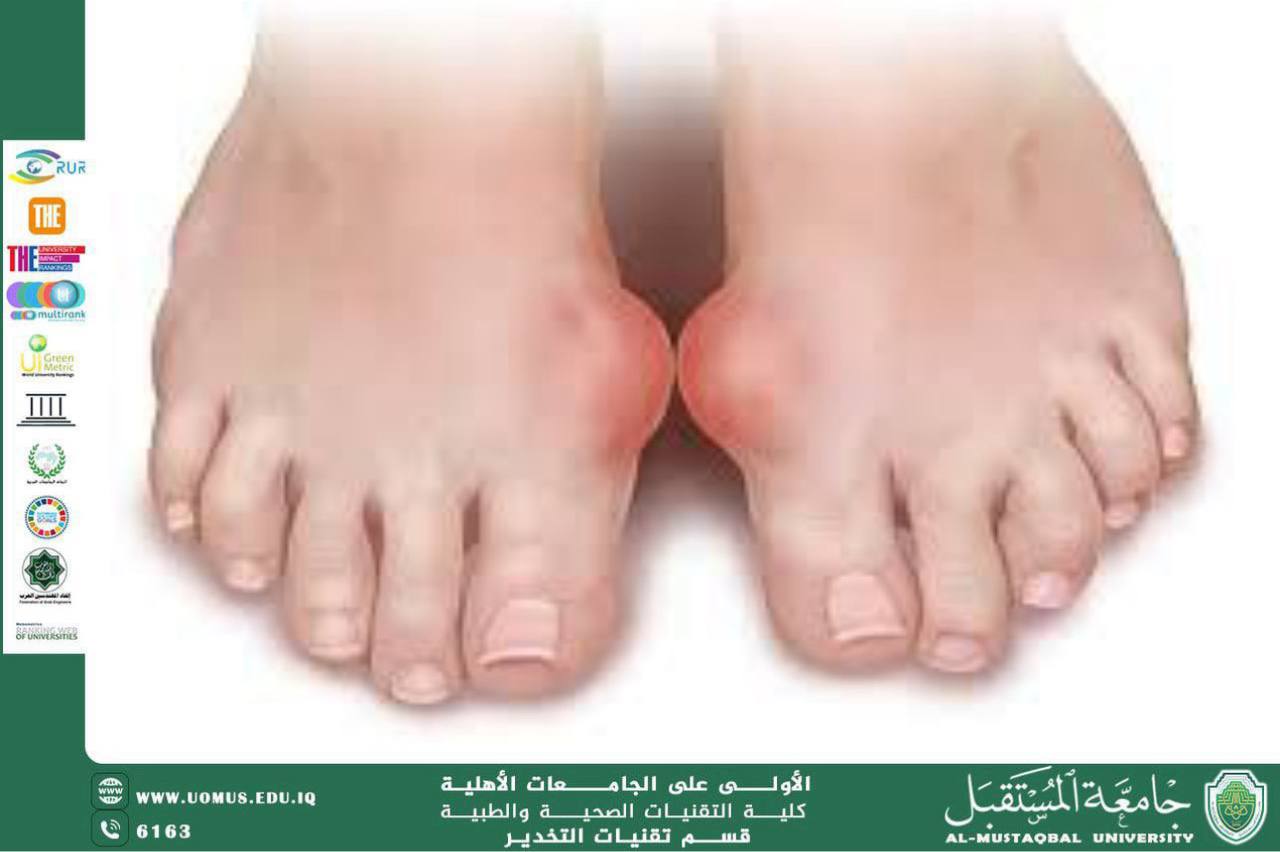
When the concentration of uric acid exceeds its solubility limit in plasma, monosodium urate crystals form and deposit in joints, particularly peripheral joints with lower temperatures, such as the first metatarsophalangeal joint of the big toe. These crystals activate the immune system and trigger the release of inflammatory mediators, leading to an acute gout attack.
Predisposing Factors
Factors that increase the risk of developing gout include:
• Diets rich in red meat, seafood, and alcoholic beverages.
• Obesity and physical inactivity.
• Male sex (more common in men).
• Chronic kidney disease.
• Use of certain medications, such as diuretics.
• Genetic factors.
Clinical Manifestations
1. Acute Gout Attack
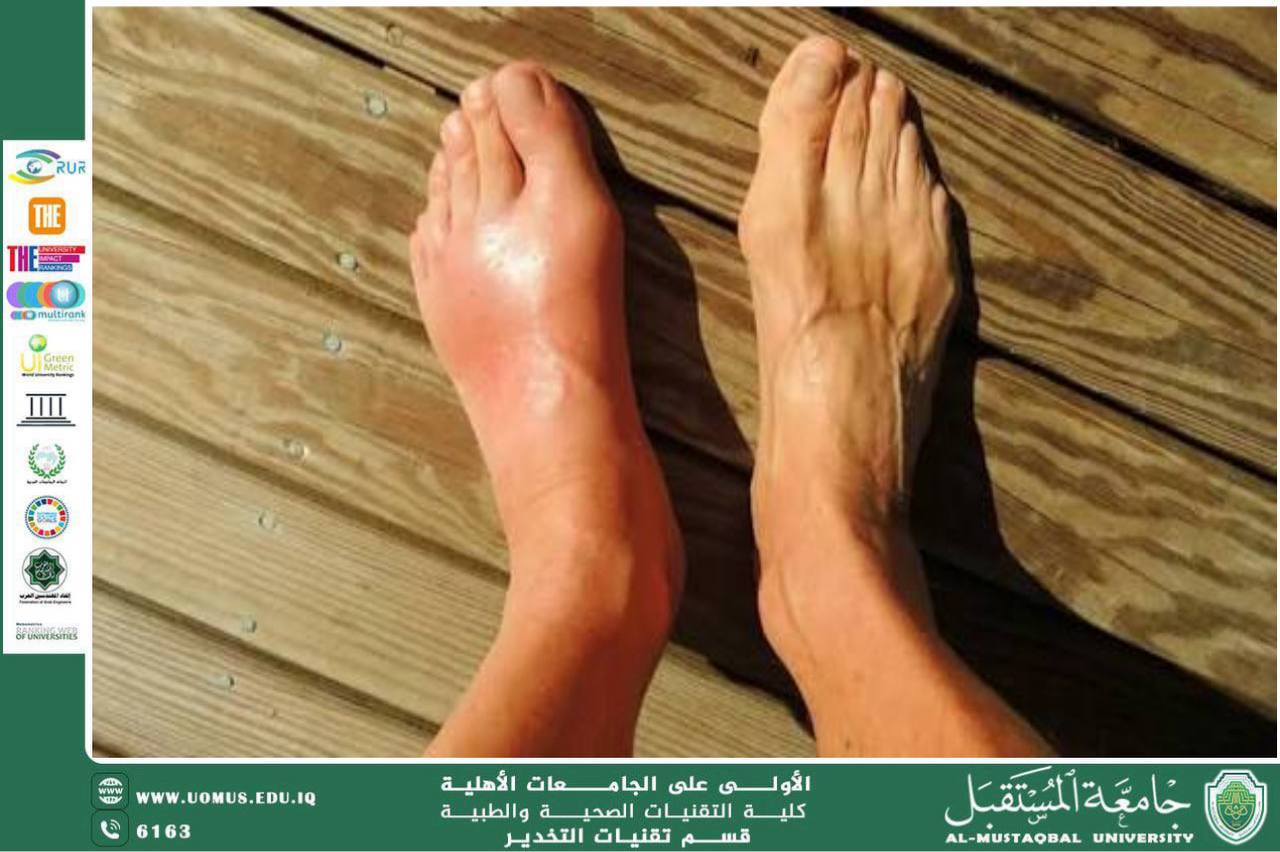
This is characterized by sudden, severe pain in the affected joint, often occurring at night, accompanied by swelling, redness, and local warmth. The first metatarsophalangeal joint of the big toe is the most commonly affected.
2. Chronic Gout
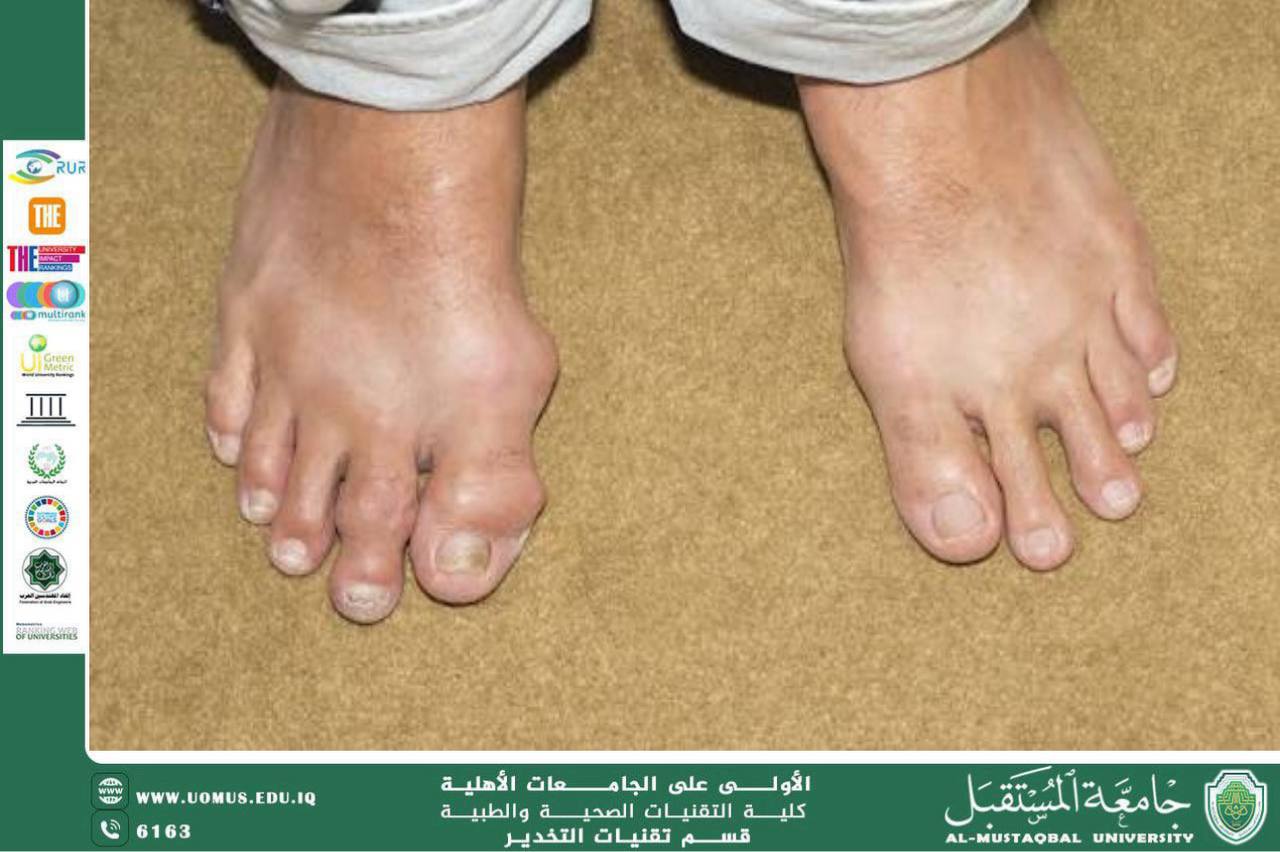
If left untreated, attacks may recur and the condition can progress to chronic gout, leading to joint deformities and the formation of tophi, which are firm deposits of urate crystals in the skin and soft tissues.
Diagnosis
The diagnosis of gout is based on a combination of clinical and laboratory criteria, including:
• Measurement of serum uric acid levels.
• Analysis of synovial fluid from the affected joint, demonstrating monosodium urate crystals under polarized light microscopy.
• Imaging modalities such as plain radiography or ultrasound in chronic cases.
Treatment
1. Management of Acute Attacks
The goal is to relieve pain and inflammation and includes:
• Nonsteroidal anti-inflammatory drugs (NSAIDs).
• Colchicine.
• Corticosteroids in selected cases.
2. Long-Term Management
This aims to reduce serum uric acid levels and prevent recurrent attacks, and includes:
• Inhibitors of uric acid production, such as allopurinol.
• Medications that enhance renal excretion of uric acid.
• Lifestyle and dietary modifications.
Prevention
Preventive measures include:
• Following a balanced, low-purine diet.
• Adequate fluid intake.
• Reducing alcohol consumption.
• Maintaining a healthy body weight.
• Adherence to pharmacological therapy when indicated.
Conclusion
Kings’ disease (gout) is an inflammatory condition that can be effectively controlled through early diagnosis and appropriate treatment. Understanding the disease mechanisms and predisposing factors plays a crucial role in preventing complications and improving patients’ quality of life.
Ahmed Neama
Al-Mustaqbal University
The First University in Iraq.