An article titled "Harvard's Research in Understanding Stem Cells" by Dr. Hussam Jawad Kadhim
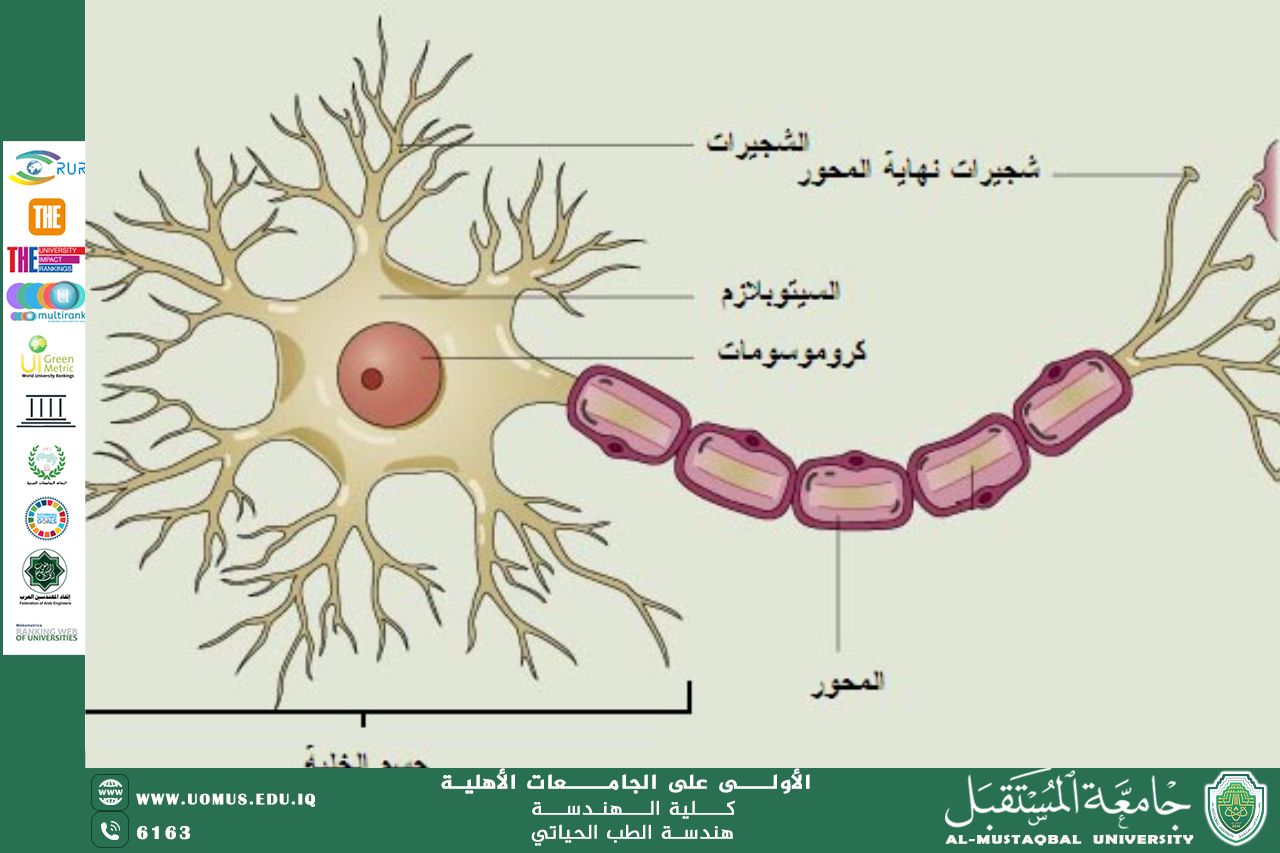
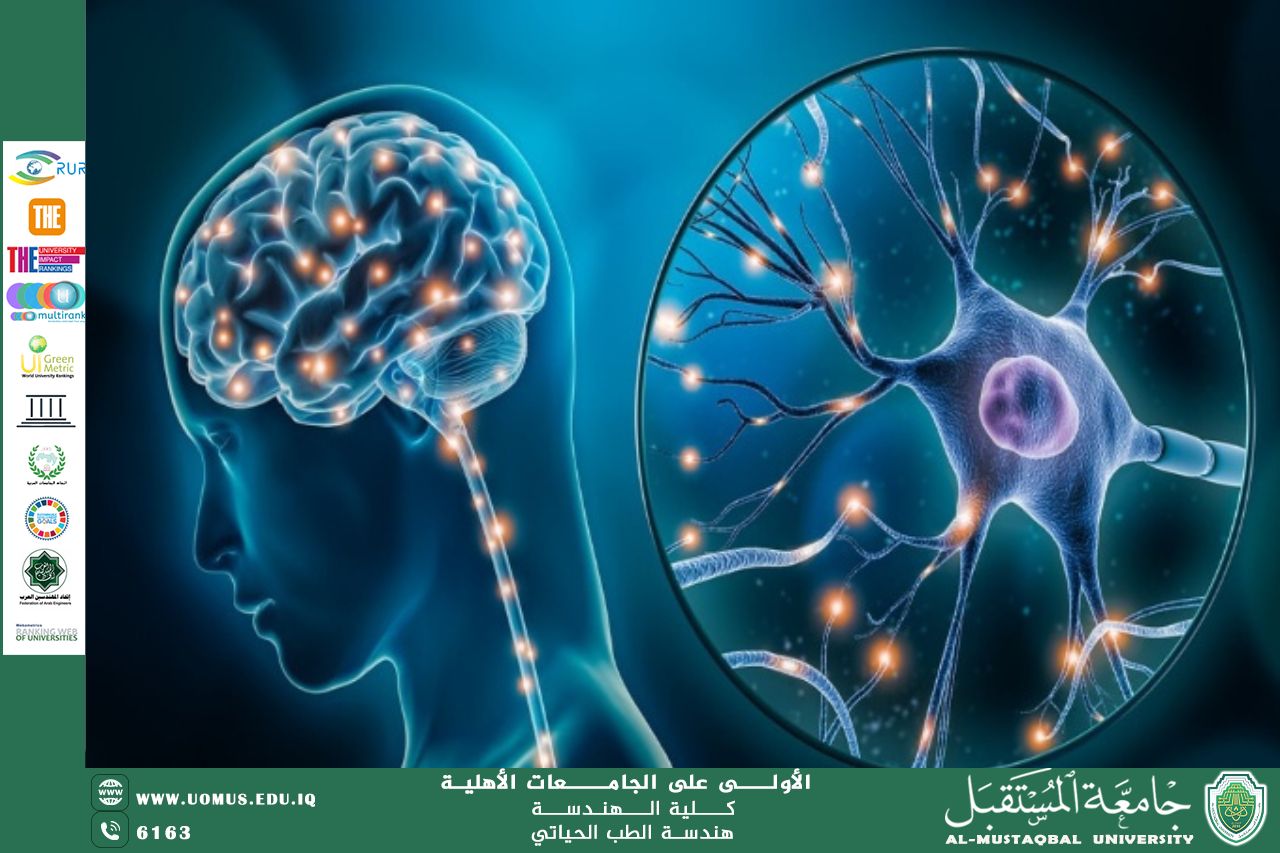
The human brain is the most complex organ in the body. It is the control center for all bodily functions, thoughts, and emotions, and contains billions of neurons intertwined in a complex network of electrical and chemical signals. This makes studying its structure and functions a formidable scientific challenge. Harvard University's resources are among the leading contributors, providing advanced tools and techniques that enable researchers to understand this intricate network in ways never before possible. The Harvard Brain Tissue Resource Center provides precise human and animal brain samples that allow for the study of neurons and their functions in both normal and pathological conditions. It also provides a crucial foundation for understanding how the brain is affected by neurological disorders such as Alzheimer's, Parkinson's, and other mental health conditions. These resources have facilitated the application of high-resolution imaging techniques such as multiphoton microscopy, three-dimensional fluorescence imaging, and high-resolution magnetic resonance imaging. These techniques allow for the observation of individual neurons, tracking the growth of their axons, understanding how they interact with neighboring cells, and creating detailed maps of the brain's neural networks. This understanding helps in comprehending how neural signals are transmitted and how cognitive and behavioral functions are shaped. These studies have led to the classification of different types of neurons and an understanding of the role of each type in information processing. Recent research has explored how neurons interact with supporting cells such as microglia and astrocytes, and how these interactions influence neurological health and disease development. Harvard's resources have also contributed to the development of advanced data analysis tools and network simulation systems, enabling scientists to study the brain dynamically and observe changes in neurons in response to various stimuli. These technologies allow for a better understanding of complex neural networks and their communication mechanisms, paving the way for the design of precise therapies targeting specific cells or networks within the brain. Harvard's contribution has not been limited to providing samples; it has also included supporting researchers with technological tools and scientific knowledge that enhances the scientific community's ability to uncover the secrets of the brain and gain a deeper understanding of cognitive, emotional, motor, and control functions. These efforts have opened new horizons for studying neurological diseases and developing innovative treatments based on a precise understanding of neurons and their connections. Today, it is possible to visualize the brain in ways previously unimaginable, which contributes to accelerating scientific research and developing precise, personalized treatment strategies for each individual patient.