An article titled "The Role of Electrical Systems in Developing Medical Diagnostic Technologies" by Engineer Hassanein Hadi Hussein
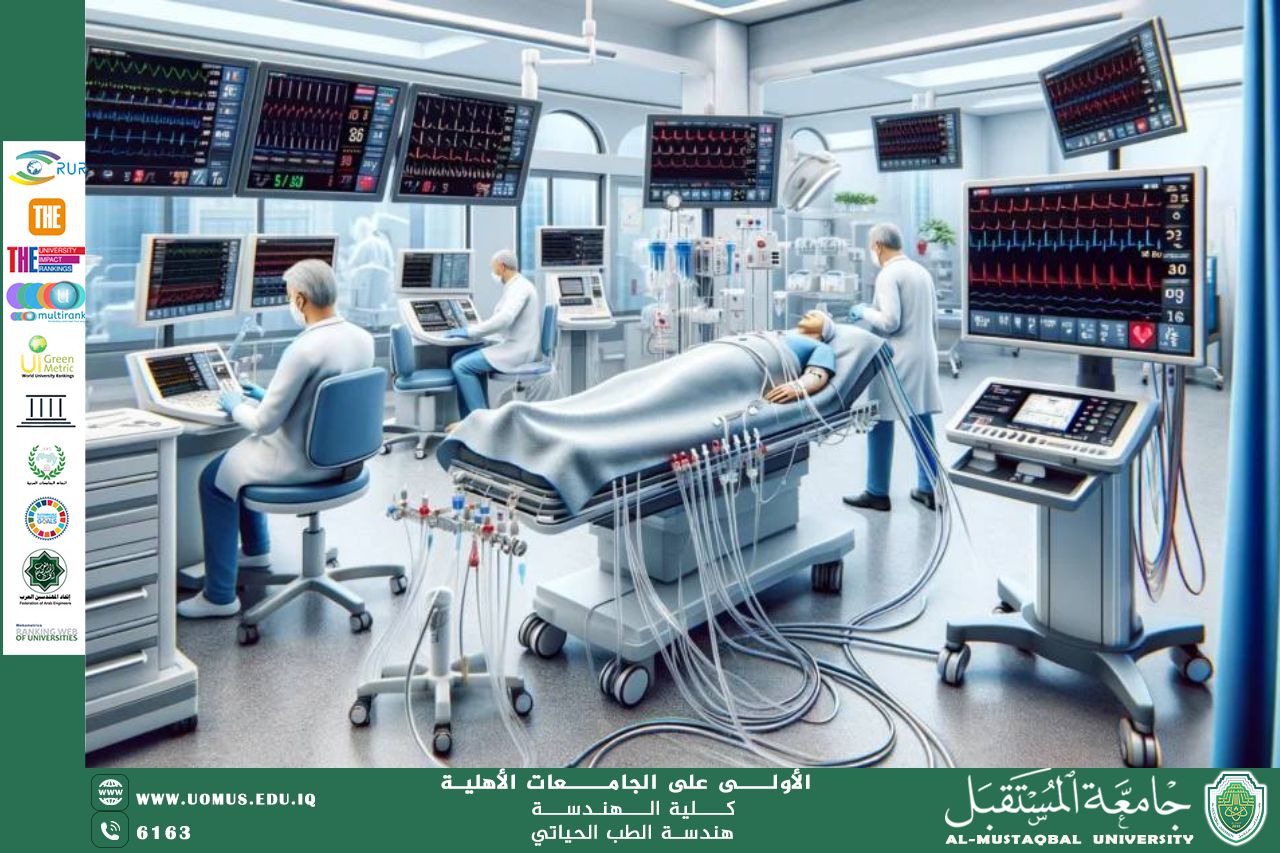
The crucial role of electrical engineering in modernizing medical diagnostic mechanisms. This research explores how digital signal processing, integrated circuit design, and electromagnetic systems can be employed to extract biomarkers from the human body. The article aims to analyze the relationship between the stability of electrical systems and the accuracy of clinical diagnosis, highlighting innovations in the fields of biosensors and advanced imaging systems.
Electrical systems are the backbone of biomedical engineering. Modern medicine relies on converting biological and chemical reactions within the body into measurable and analyzable electrical signals for disease diagnosis. The ability to control electron flow and design signal processing algorithms has enabled scientists to build highly accurate, non-invasive diagnostic systems.
1. Bio-signal Processing
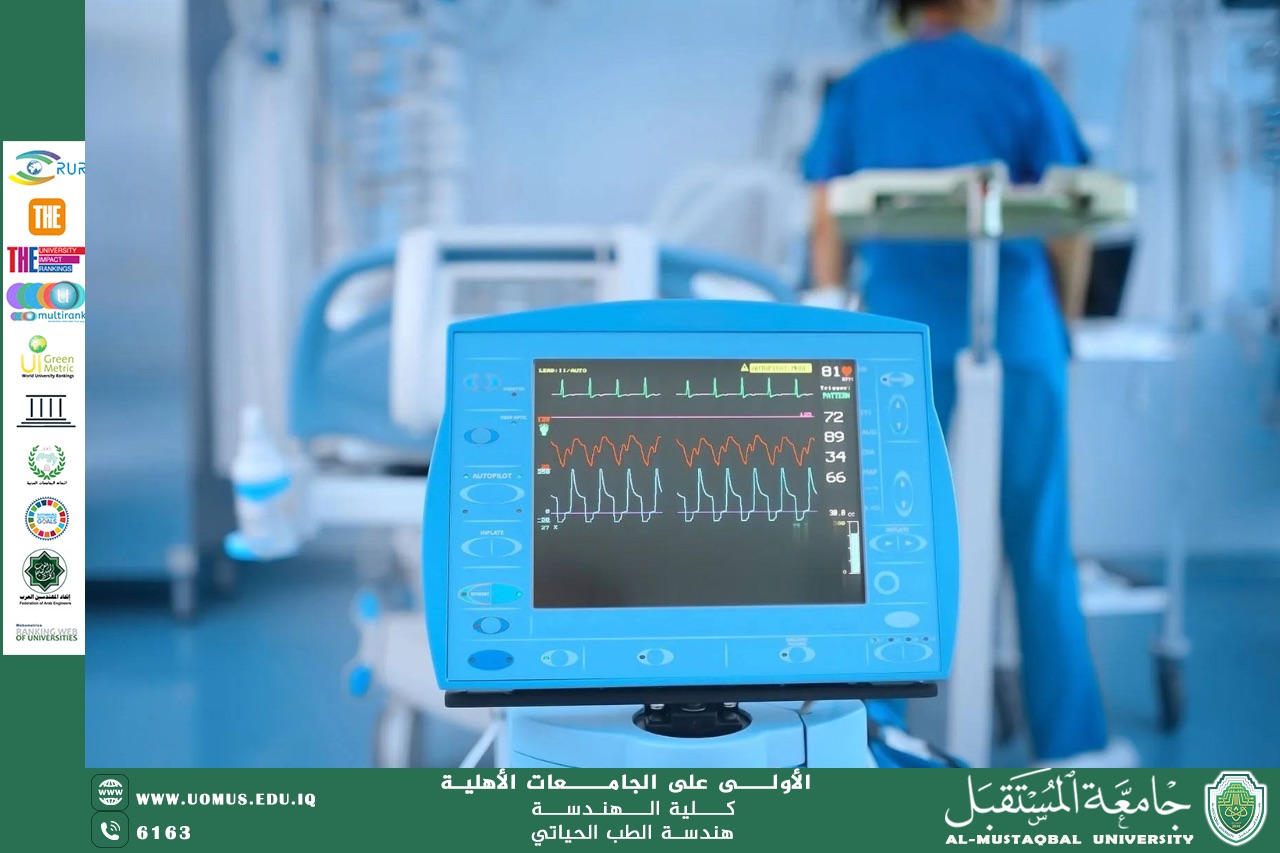
Diagnostic systems rely on capturing the weak ionic currents generated by electrically active tissues such as the heart and brain.
• Signal Acquisition: This is achieved through electrodes that act as an interface between the biological medium and electronic circuits. 1. Amplification and Filtering: Because biological signals have low amplitudes (microvolts) and specific frequencies, instrumentation amplifiers and band-pass filters are used to isolate electromagnetic noise from the surrounding environment.
2. Electromagnetic Systems in Diagnostic Imaging
The engineering of electromagnetic forces and fields is the cornerstone of imaging techniques:
1. Magnetic Resonance Imaging (MRI): This relies on radio frequency (RF) systems and gradient magnetic fields to excite hydrogen nuclei, requiring extremely stable voltage and current to ensure image quality.
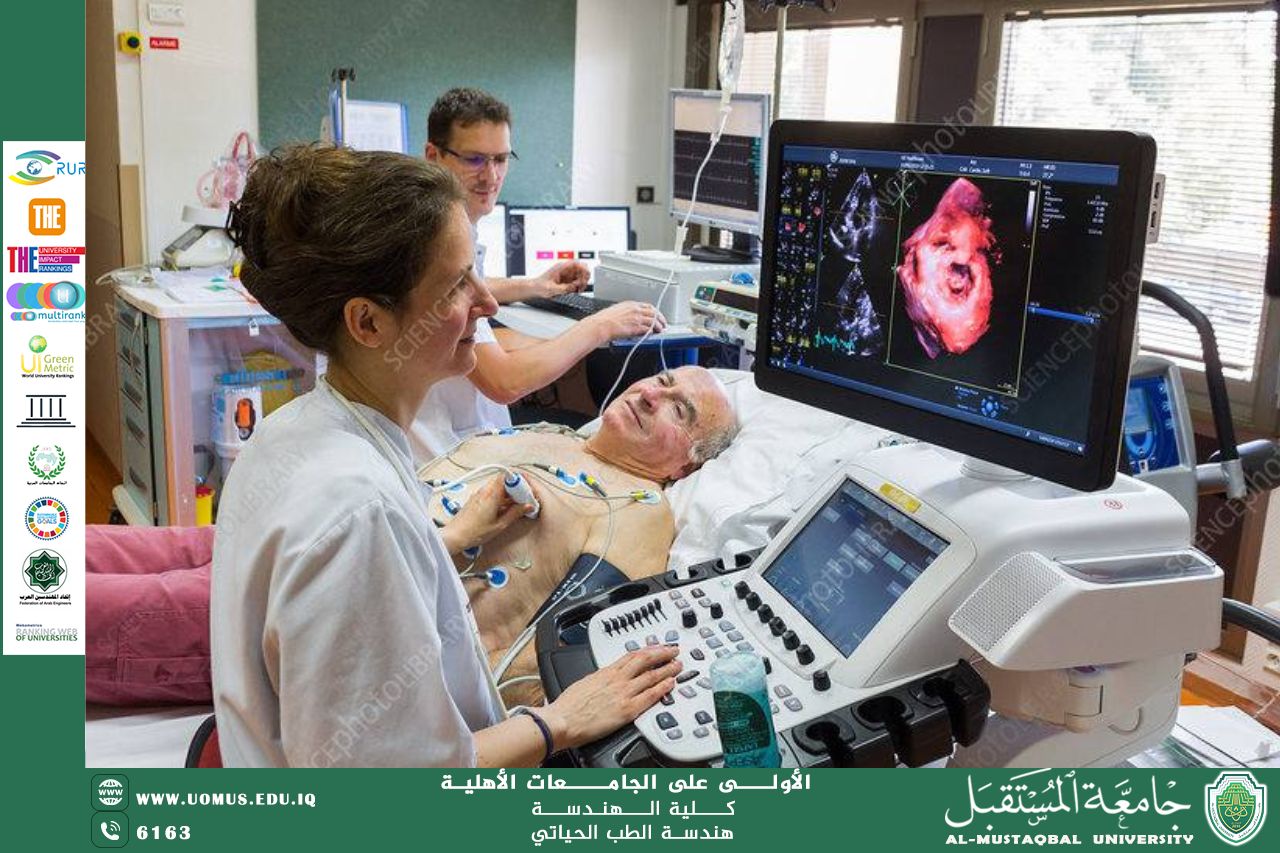
2. Ultrasound Imaging: This uses piezoelectric transducers that convert electrical impulses into mechanical waves and vice versa, a direct application of piezoelectric theory in electrical engineering.
3. Biosensors and MEMS
The latest development in microelectromechanical systems (MEMS) has revolutionized point-of-care testing. These systems are classified according to their electrical conversion mechanism into:
• Amperometric sensors: These measure the current generated by redox reactions (such as glucose sensors).
• Potentiometric sensors: These measure the electrical potential difference across an ion-selective membrane.
4. Engineering and Safety Standards
From an academic perspective, the design of a medical electrical system is not limited to functionality alone, but also includes:
• Electromagnetic compatibility (EMC): Ensuring that the device does not interfere with other surrounding devices.
• Galvanic isolation: Using optocouplers to protect the patient from micro-shocks.
5. Conclusion
This study demonstrates that advancements in medical diagnostic technologies are a direct reflection of progress in electrical engineering. The integration of analog and digital circuits with artificial intelligence will lead to a new generation of "intelligent" diagnostic systems that are compact and capable of predicting medical conditions before they worsen.