An article titled "Tissue Engineering" by Lecturer Maher Rahman Abdul Amir
Tissue Engineering: Regenerating Damaged Organs.
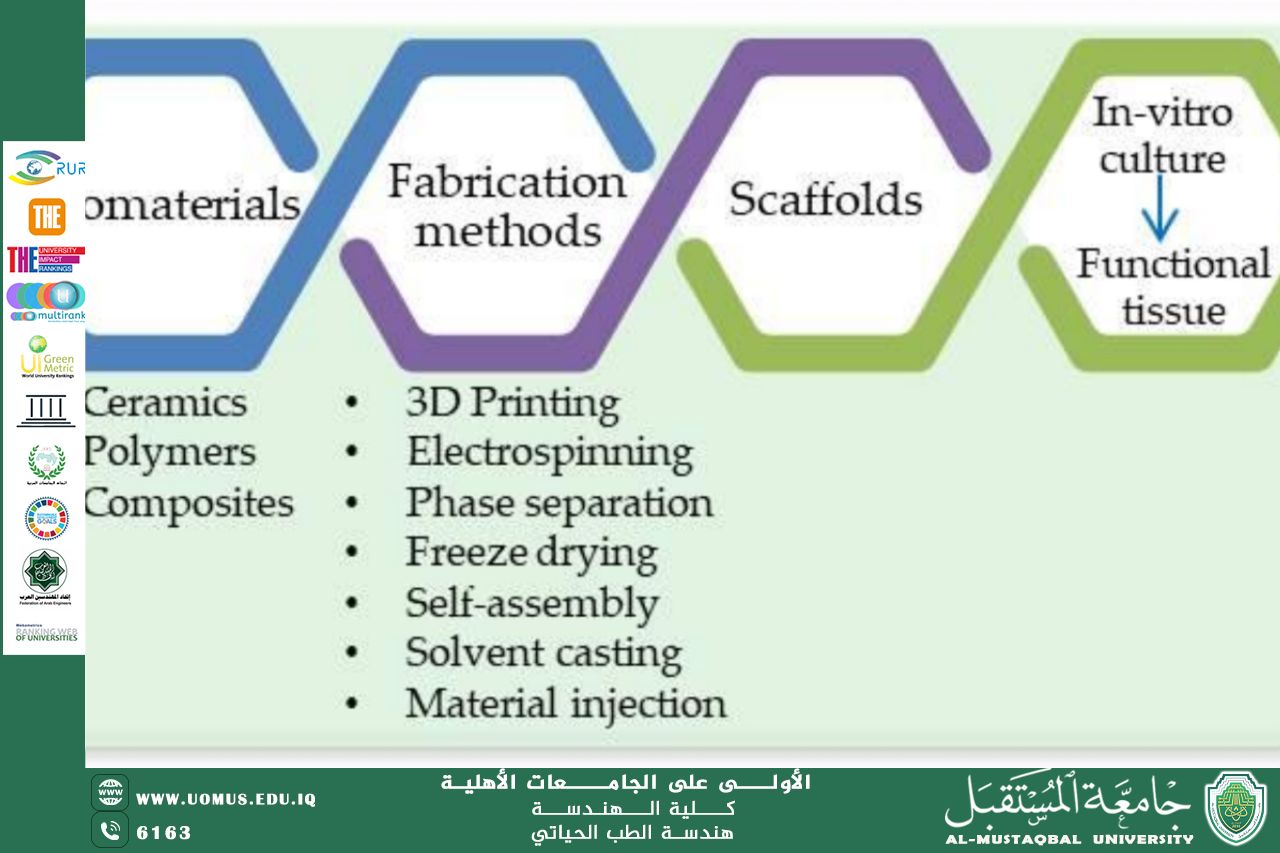
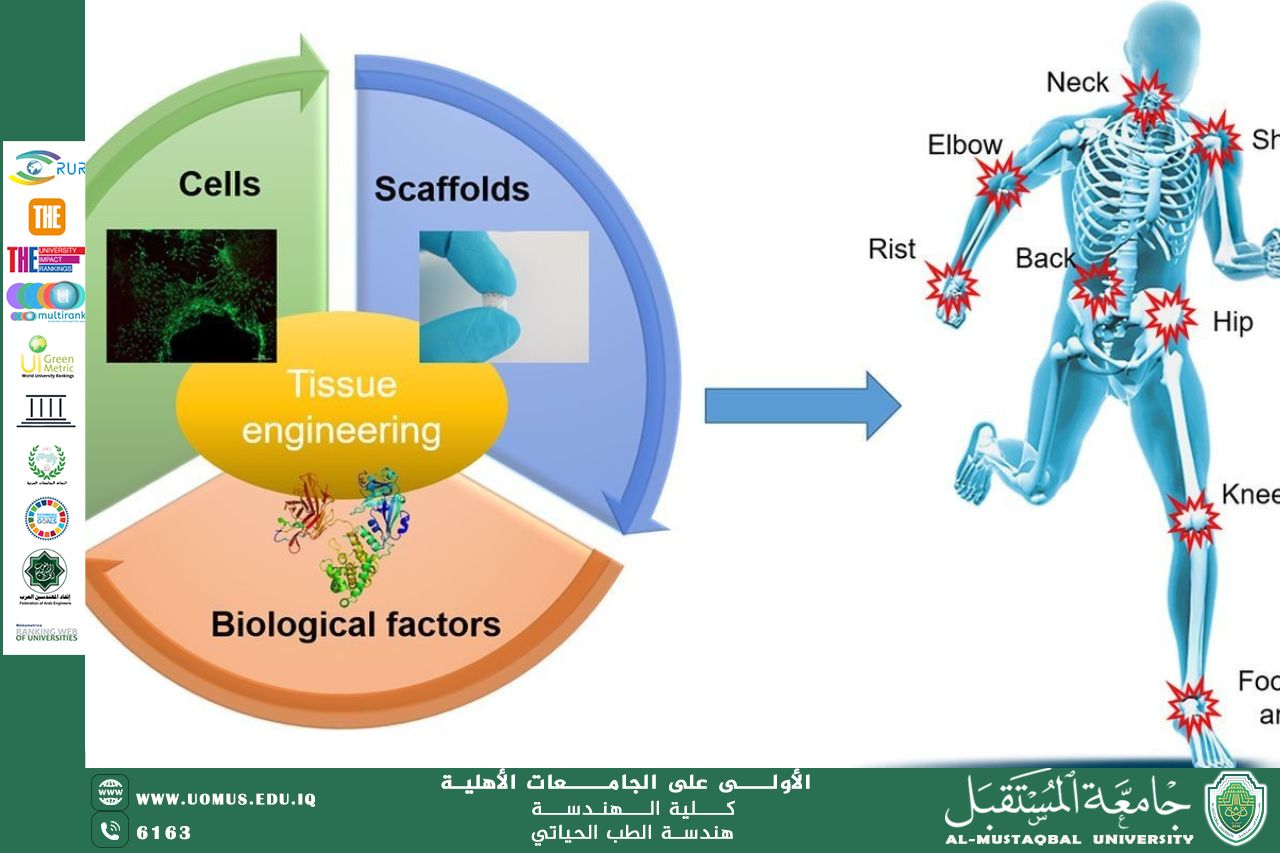
Tissue engineering is an innovative approach to regenerative medicine that combines cells, biomaterials, and growth factors to create functional tissues and organs. This interdisciplinary field has made significant strides in providing solutions to individuals with damaged organs by offering a way to repair or replace lost function.
One of the most promising areas of tissue engineering is the development of bioengineered organs, which can be used in transplant procedures to alleviate the organ shortage crisis. Researchers are using stem cells to grow tissues that can mimic the function of natural organs, such as the heart, liver, and kidneys. Additionally, advances in 3D printing technology have made it possible to print tissues with high precision, layer by layer, to replicate the complexity of natural tissues. This technology allows for the creation of tissues that are tailored to the patient’s specific needs, reducing the risk of rejection.
Tissue engineering has also been applied to regenerative therapies for conditions such as heart failure, where damaged heart tissue can be replaced with engineered tissue to restore normal function. With the growing understanding of cellular biology and material science, tissue engineering holds the potential to revolutionize healthcare by providing viable alternatives to traditional organ transplantation.