
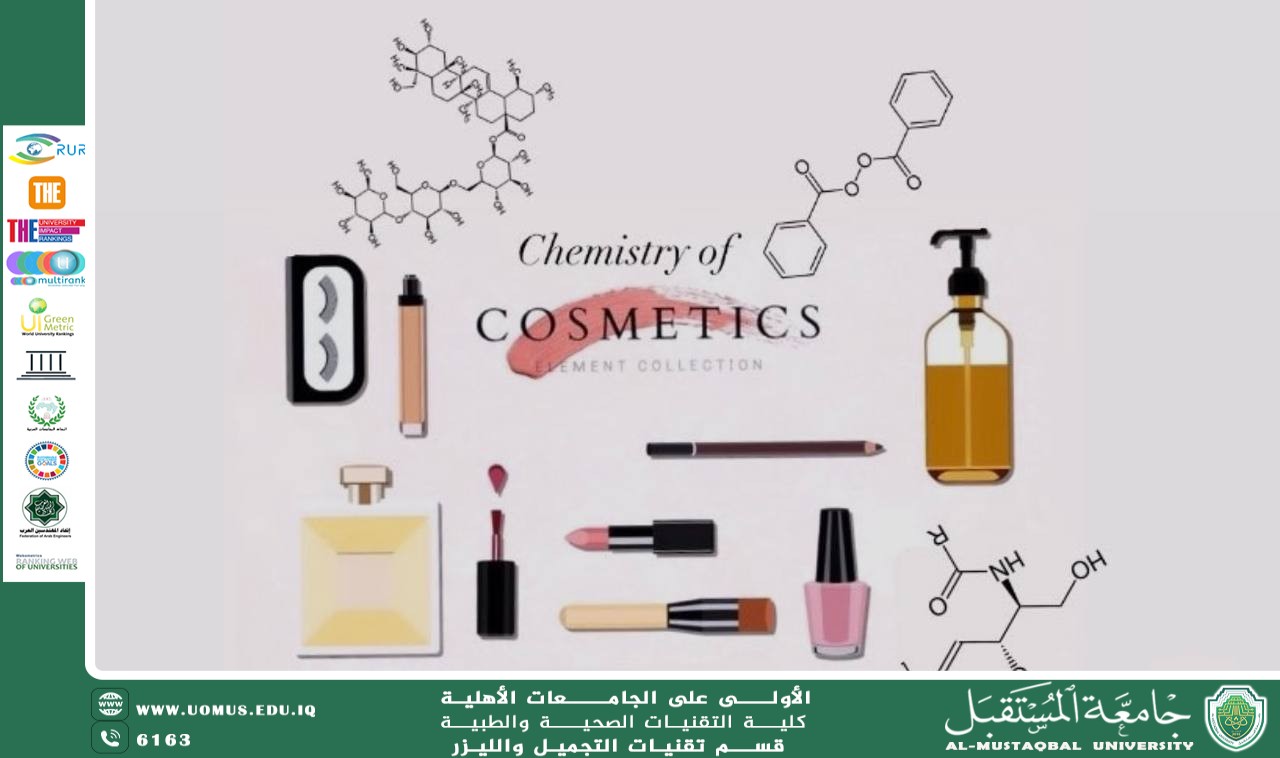
The Chemistry Behind Beauty: How Chemists Collaborate with Aestheticians and Laser Specialists to Achieve Safe and Effective Results
Introduction:
Skincare and aesthetics today represent a multidisciplinary science in which chemists intersect with aestheticians and laser technicians to achieve safe and optimal results. While the aesthetic specialist focuses on external appearance and the application of techniques, the chemist works behind the scenes to ensure the efficacy and safety of ingredients and their interactions. This integration has become a cornerstone of the remarkable advancements in skin treatments, particularly those that combine topical formulations with modern technologies such as laser therapies.
Exposition:
1. Chemistry: The Backbone of Advanced Aesthetic Treatments
Chemists are primarily responsible for designing and testing the active ingredients used before, during, and after laser treatments. They focus on:
• Chemical interactions with the skin: Understanding how the skin absorbs active substances and how these interact with its natural components.
• Compatibility of formulations with laser technologies: Developing products that do not cause hazardous photochemical reactions when exposed to laser energy.
• Chemical stability: Ensuring that active ingredients in cosmetic formulations remain stable and effective over extended periods.
2. The Aesthetician: The Bridge Between Science and Practice
• Skin analysis: Identifying skin type and concerns before selecting the appropriate treatment.
• Application of precise protocols: Using chemical formulations in a safe and effective manner.
• Coordination with chemists: Providing practical feedback and field observations to help improve product formulations.
Practical Integration:
In a carbon laser session, the aesthetician applies pre-treatment products (such as suitable chemical peels) designed by chemists to enhance carbon penetration, as well as post-treatment formulations to soothe the skin and reduce inflammation.
3. Laser Technician: Precision Application with Chemical Awareness
• Adjusting device parameters: Modifying wavelength and intensity based on their interaction with skin components and applied formulations.
• Avoiding harmful reactions: Identifying chemical substances that may cause burns or pigmentation when exposed to laser energy.
• Achieving optimal results: Using chemical knowledge to enhance treatment efficacy.
4. Case Studies: Successful Integration of Disciplines
Research has shown that treatments integrating chemistry, aesthetics, and laser technology yield results that are up to 40% more effective than isolated treatments. For example, acne therapy that combines chemical formulations (such as retinoids) with laser treatments demonstrates faster and more sustainable improvement.
Conclusion:
The integration between chemists, aestheticians, and laser technicians is both a scientific and practical necessity in the modern skincare field. Chemists ensure efficacy and safety at the laboratory level, aestheticians apply this knowledge in real-world practice, and laser technicians operate advanced technologies with precision grounded in chemical understanding. This multidisciplinary collaboration not only enhances aesthetic outcomes but also ensures the highest safety standards and contributes to the development of innovative solutions that address diverse skin needs. As science continues to advance, this integration will become even more profound, opening new horizons in the field of aesthetic dermatology.
Al _ Mustaqbal University, the first university in Iraq