Botox and Dermal Fillers: Mechanisms, Indications, and Safety
Botulinum toxin and dermal fillers are among the most commonly performed non-surgical aesthetic procedures worldwide. Although they are often mentioned together, they differ significantly in their mechanism of action, indications, and clinical outcomes. Understanding these differences is essential for both practitioners and patients.
Botulinum toxin is a purified neurotoxin that works by temporarily blocking the release of acetylcholine at the neuromuscular junction. This results in temporary muscle relaxation. In aesthetic medicine, botulinum toxin is primarily used to treat dynamic wrinkles caused by repeated muscle movement, such as forehead lines, glabellar lines, and crow’s feet.
In addition to cosmetic applications, botulinum toxin has important medical uses, including treatment of hyperhidrosis, chronic migraines, muscle spasticity, and bruxism. The effects of botulinum toxin typically appear within a few days and last for several months, after which repeat treatment may be required.
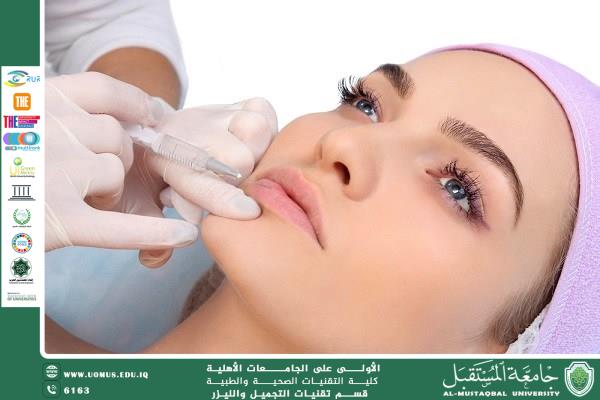
Dermal fillers are injectable substances designed to restore lost volume, enhance facial contours, and correct static wrinkles. The most commonly used fillers are based on hyaluronic acid, a naturally occurring substance in the skin that attracts water and contributes to hydration and elasticity. Other types of fillers exist, but hyaluronic acid fillers are preferred due to their safety profile and reversibility.
Fillers are commonly used for lip augmentation, cheek enhancement, jawline definition, tear trough correction, and nasolabial folds. The results are usually immediate and can last from several months to over a year, depending on the product used and the treatment area.
Both botulinum toxin and dermal fillers require detailed anatomical knowledge and precise injection techniques. Incorrect placement or excessive dosing may lead to complications such as asymmetry, unnatural appearance, or vascular complications in rare cases. Therefore, proper training and adherence to safety guidelines are essential.
Patient consultation plays a key role in successful outcomes. The practitioner must evaluate facial anatomy, skin quality, and patient expectations to decide whether botulinum toxin, fillers, or a combination approach is most appropriate.
In conclusion, botulinum toxin and dermal fillers are powerful tools in non-surgical aesthetic medicine. When used correctly, they provide safe, natural-looking results that enhance facial harmony and patient confidence.
AL_mustaqbal University is the first university in Iraq