Electronic Skin (E-Skin): Equipping Prosthetic Limbs with the Sense of Touch and Temperature
In the past, the ultimate goal of biomedical engineering was to replace a lost limb with a device that performed a simple motor function. Today, however, we have moved from the stage of “motor compensation” to “sensory restoration.” This shift has brought the concept of Electronic Skin (E-Skin) to the forefront as one of the most remarkable innovations integrating nanotechnology with bio-neural interfaces.
What Is Electronic Skin (E-Skin)?
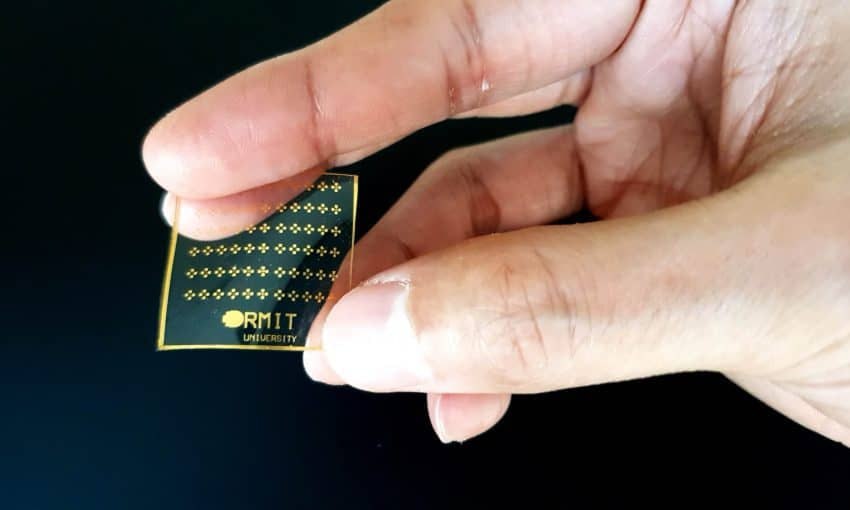
Electronic skin is a network of ultra-thin, flexible biosensors designed to mimic the properties of human skin. This layer is not limited to providing a cosmetic covering for prosthetic limbs; rather, it transmits real data about pressure, humidity, and temperature to the user’s nervous system.
How Does It Work? (Engineering Mechanism)
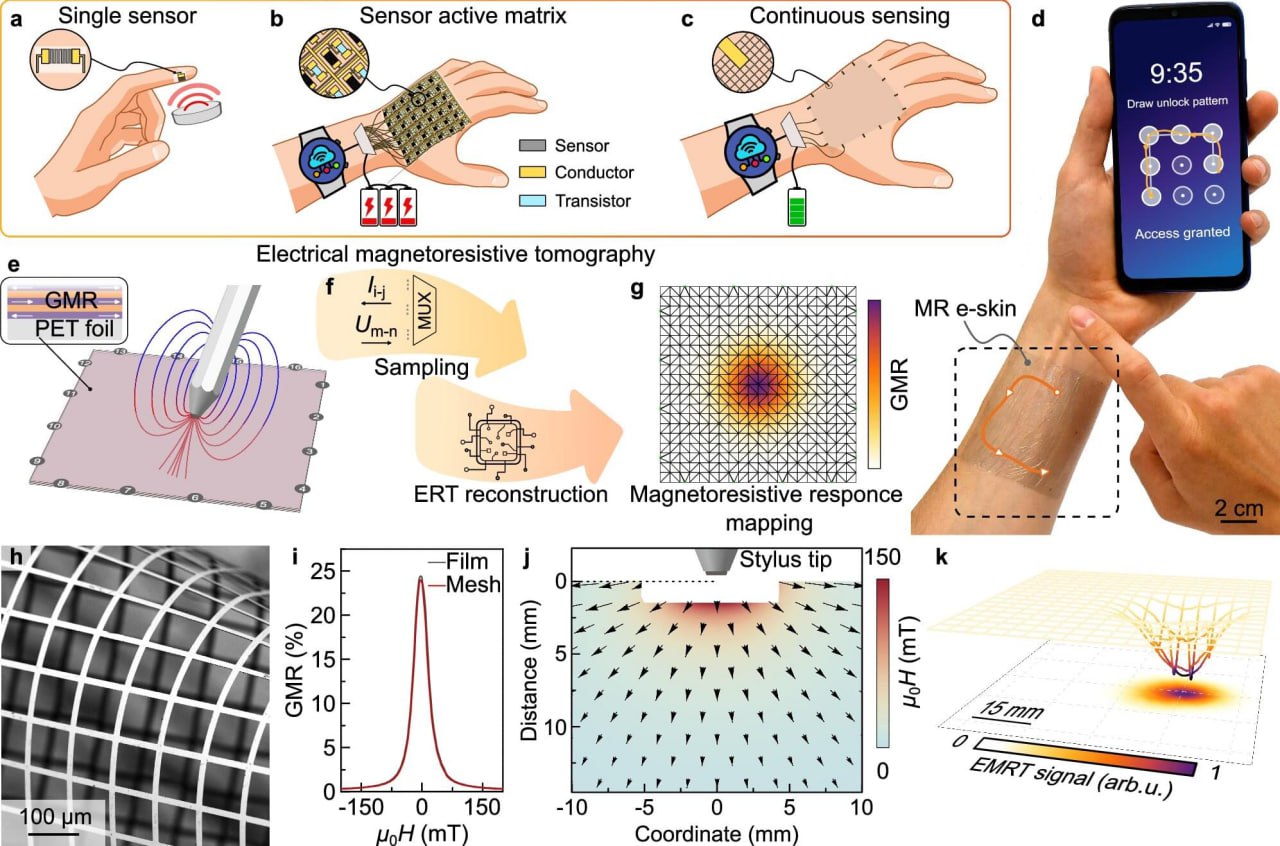
E-skin relies on integrating bio-mechatronics with flexible materials known as conductive polymers. These materials function as highly sensitive sensors that convert external physical stimuli into electrical signals. A neural interface then translates these signals into impulses that the human brain can understand, giving the user a genuine sensation that the prosthetic limb is an integral part of their body.
Revolutionary Advantages of Electronic Skin:
Precise Tactile Sensation (Haptic Feedback): Enables users to distinguish between different textures (smooth, rough) and control grip force (for example, holding an egg without breaking it).
Thermal Perception (Thermal Sensing): Protects users from potential hazards by sensing high temperatures or extreme cold—an ability lacking in traditional prosthetics.
Ultra-Flexibility: The use of nanotechnology allows the fabrication of sensors that remain unaffected by continuous bending or stretching of the limb.