
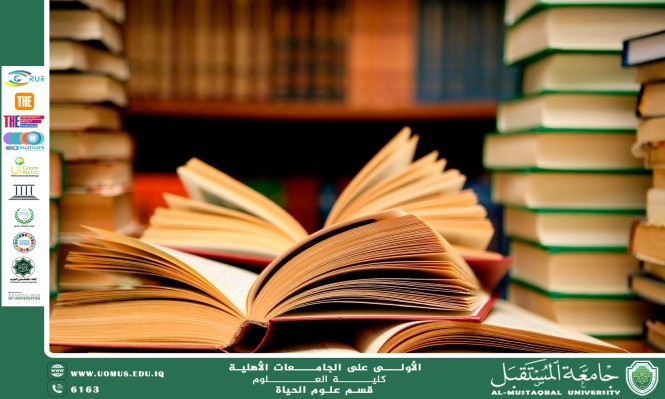
"A scientific article by lecturer M.M. Ali Kumait Hamad entitled "Libraries role in students support
Libraries are more than just places to borrow books they are essential centers of academic and personal support for students. By offering access to learning materials, research help, technology, and quiet spaces to study, libraries play a key role in helping students achieve success throughout their educational journey.
Introduction
Libraries play a vital role in supporting students throughout their academic journey. Far beyond being just places to borrow books, modern libraries provide a wide range of resources and services that enhance learning, research, and personal development. They offer access to digital tools, quiet study areas, academic support, and knowledgeable staff who assist students in finding and using information effectively. In an era where information is abundant but not always reliable, libraries serve as trusted spaces that empower students to think critically, learn independently, and achieve their educational goals.
Understanding the Challenge
Understanding the challenges that libraries face in supporting students is essential for improving their effectiveness. One major challenge is limited access to digital resources. Many students, especially those in remote or underprivileged areas, struggle with poor internet connectivity or lack of proper devices, making it difficult to benefit from online library services. Another issue is the lack of awareness among students regarding the full range of library services available to them, such as academic guidance, research support, or skill development workshop.
Practical Strategies for Libraries role in students support
1.Academic and Educational Support :Libraries are more than just book repositories—they are essential partners in student success. They support academic achievement, digital competence, research capability, and personal growth, making them indispensable in modern education.
-Access to Information Resources :Libraries provide students with access to a wide range of resources including books, journals, research papers, and electronic databases.These resources help deepen students' theoretical and practical knowledge beyond their curriculum.
-Enhancing Research Skills :Libraries teach students how to use catalogs, academic search engines, and how to organize and analyze information.Many libraries offer training sessions on referencing and citation techniques.
-Support for Academic Projects and Assignments :Libraries offer tools and services essential for preparing research, such as reference assistance and support from specialized librarians.
2. Psychological and Social Support
-A Quiet and Motivating Environment :Libraries offer calm, distraction-free spaces that enhance focus and concentration, essential for effective studying.
-Promoting Reading and Exploration :Libraries host cultural events and book exhibitions to promote reading and general knowledge, positively impacting academic performance.
-Personalized Assistance :Librarians can offer one-on-one support, guiding students to the best resources and helping them overcome research-related difficulties.
3. Technological and Digital Support: Libraries are no longer just places to borrow books—they are dynamic learning hubs that empower students with the digital tools, skills, and spaces needed to thrive in today’s technology-driven academic landscape.
-Access to Digital Libraries :Many libraries provide online platforms that allow students to access resources remotely—ideal for flexible or hybrid learning models.
-Technical Services :Libraries offer access to computers, the internet, printers, and specialized software used in technical or creative subjects.
-Digital Literacy Development :Libraries help students develop the skills to use technology effectively and safely—crucial competencies in the modern world.
Libraries have evolved significantly to meet the changing needs of students in a digital age. Their role in providing technological and digital support has become central to academic success, equity in education, and digital literacy.
4. Skill Development and Academic Growth
-Workshops and Training Sessions :Libraries organize sessions on academic writing, presentation skills, time management, and other key academic abilities.
-Encouraging Independent Learning :Using the library fosters habits of self-directed learning and problem-solving, which are essential for academic independence.
5. Support for Diverse Student Needs
-Support for Students with Disabilities :Many libraries offer assistive technologies such as Braille books, screen readers, and adapted workstations.
-Support for International or Language-Challenged Students:
Libraries may offer language support services, simplified texts, or orientation sessions to help these students adapt academically and culturally
Conclusion
In conclusion, libraries are essential pillars of student success and academic development. By offering access to diverse resources, study environments, and professional guidance, libraries help students gain knowledge, improve research skills, and build confidence in their learning. As education continues to evolve, the supportive role of libraries becomes even more crucial in helping students adapt, grow, and thrive in their academic pursuits.
Al-Mustaqbal University is the First University in Iraq