The impact of the exchange rate on banking stability in Iraq.
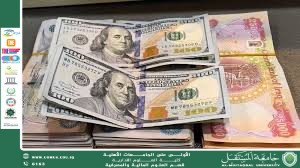
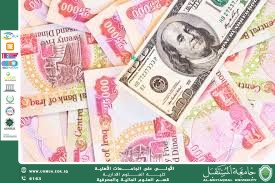
The exchange rate plays a central role in the Iraqi economy due to its connection to monetary and trade policies that affect various economic sectors, including the banking sector, and the dinar's exchange rate is determined accordingly. The Iraqi dinar against foreign currencies, especially the US dollar, is determined through the policies of the Central Bank of Iraq and is affected by internal and external factors such as oil prices, inflation, and demand for foreign currency.
First: The concept of exchange rates and banking stability.
The exchange rate is the value of the local currency against foreign currencies and determines its purchasing power and its impact on trade and financial exchanges. It is linked to a series of economic variables that affect banking stability, such as fluctuations in the exchange rate of the dinar against the dollar, which in turn affect the cost of banking operations and foreign trade. Banking stability means the ability of banks to maintain sufficient liquidity, achieve stable profits, reduce credit risks, and avoid significant losses due to external factors such as exchange rate fluctuations.
Second: The impact of the exchange rate on banking stability indicators.
1- Bank liquidity. Fluctuations in the exchange rate directly affect the cash liquidity of banks, as the rise in the price of the dollar against the dinar leads to the outflow of capital towards foreign currencies, and thus the banks' liquidity in dinars’ decreases.
2- Deposits and depositor confidence When the dinar loses part of its value, some depositors resort to converting their deposits into more stable foreign currencies, which reduces the volume of local deposits and weakens the banks' funding base. Consequently, banks' ability to finance loans decreases (credit risks increase and public confidence in the banking system declines)
3- Impact on profits and competitiveness. Exchange rate changes have an indirect impact on bank profits in several ways: -Loan costs: The rising dollar leads to increased costs for borrowers who rely on foreign financing. Price fluctuations: make it difficult to estimate project costs and asset values. Unrealized losses: Banks may record losses as a result of differences in valuation when converting foreign transactions, which affects the profitability and financial stability of banks.
4- Risks associated with exchange rates. Exchange rate risk is a component of market risk that banks face, as bank capital is eroded if there is a sharp change in the exchange rate. Operational risks increase as a result of exchange market volatility, and credit problems worsen if the value of the dinar depreciates significantly, reducing borrowers' ability to meet their obligations.
Third: The role of monetary policy and the central bank.
The Central Bank of Iraq plays a pivotal role in countering the effects of exchange rate fluctuations on the banking sector through the following: *Stabilizing the exchange rate by supporting it through currency sales at auctions. *Managing foreign currency reserves to maintain a cash safety net. *Controlling imbalances between the official market and the parallel market to avoid sudden shocks in exchange rates. Therefore, the exchange rate represents a strong influencing factor on banking stability in Iraq by affecting liquidity, confidence in the banking system and bank profits, and the continuous fluctuation in exchange rates poses risks to the quality of banking assets and weakens the ability of banks to plan financially, as well as extending its impact to macroeconomic indicators such as inflation and economic growth.