A scientific article by Ms. Tabarak Ahmed Turki entitled:The Impact of Kidney Diseases on Heart Health: A Scientific Perspective
تمام 🌿
إليك الترجمة الإنجليزية للمقال بشكل علمي وواضح:
The Impact of Kidney Diseases on Heart Health: A Scientific Perspective
Introduction
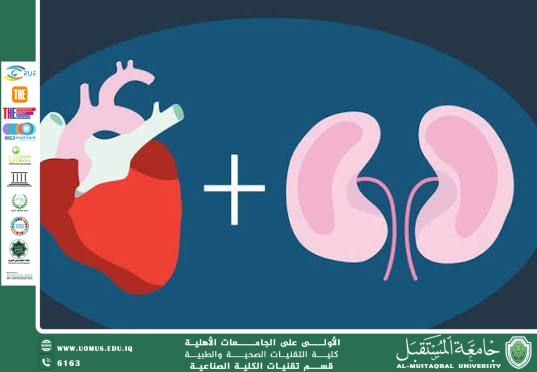
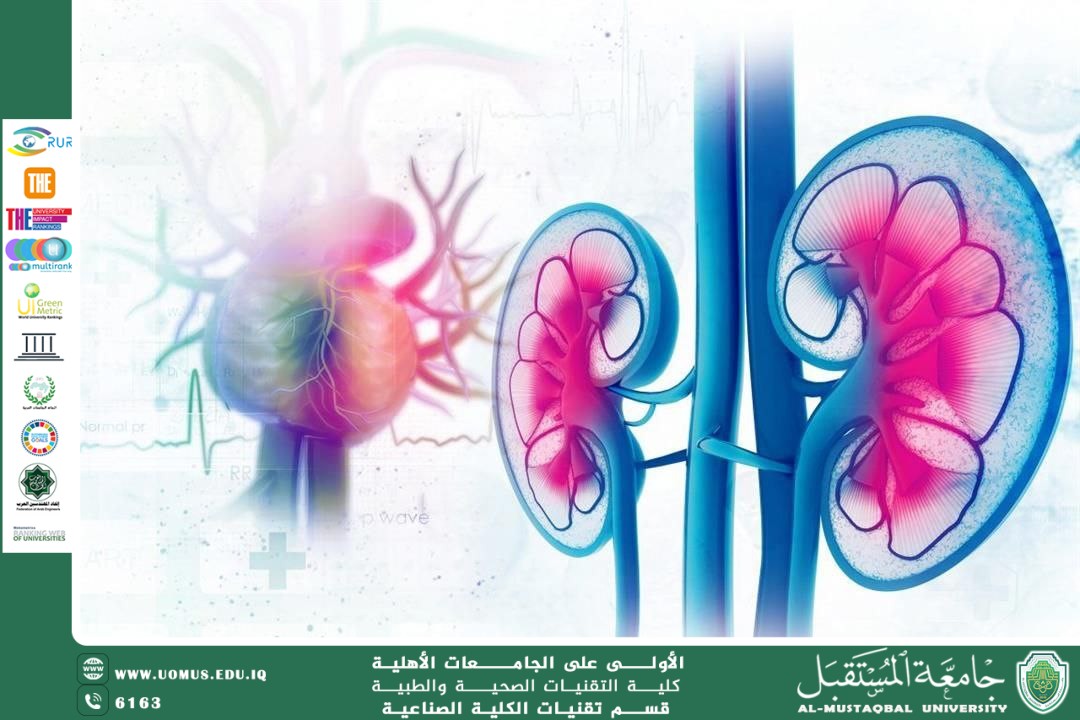
The kidneys and the heart play a central role in maintaining the body’s balance and overall health. Chronic kidney problems can directly affect the heart and blood vessels, as impaired kidney function increases the workload on the heart and raises blood pressure, potentially leading to serious cardiac complications. This connection between the kidneys and the heart is known as Cardiorenal Syndrome.
The Relationship Between the Kidneys and the Heart
The heart and kidneys are linked through several natural mechanisms:
Hormonal system: Kidney dysfunction leads to increased secretion of hormones such as aldosterone and renin, which raises blood pressure and strains the heart.
Ions and minerals: Accumulation of potassium, phosphorus, and calcium affects heart rhythm and can cause arterial calcification.
Fluid retention: Leads to increased blood volume, which raises pressure on the heart and may cause congestive heart failure.
Cardiac Conditions Associated with Kidney Problems
High blood pressure resulting from kidney dysfunction
Congestive heart failure
Atherosclerosis and vascular diseases
Heart rhythm disorders, such as atrial fibrillation
Prevention and Management
Control blood pressure with appropriate medications
Follow a diet that limits sodium, potassium, and phosphorus according to kidney condition
Early treatment of kidney problems to prevent cardiac complications
Engage in moderate physical activity to support heart and kidney health
Regular monitoring of heart and kidney function to detect problems early
Conclusion
Heart health is closely linked to kidney health, as kidney problems can lead to serious cardiac complications. Focusing on early diagnosis, proper nutrition, and a healthy lifestyle contributes to protecting both the kidneys and the heart from potential damage.
Al-Mustaqbal University the First in Iraq