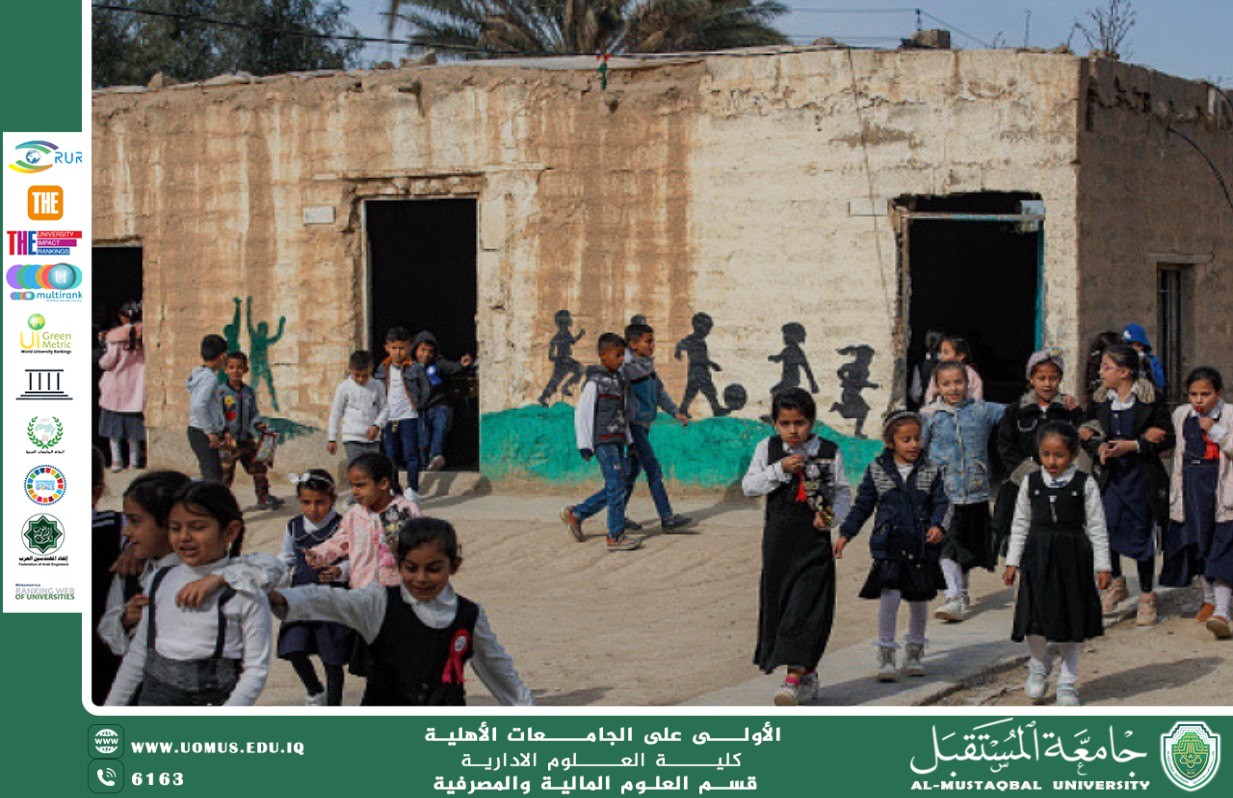

"The Impact of Poverty on Academic Achievement"
The Impact of Poverty on Academic Achievement
Education is one of the most important tools for breaking the cycle of poverty and achieving social and economic development. However, poverty itself poses a major obstacle to students' academic achievement, especially in developing societies. The relationship between poverty and education is reciprocal, as poverty negatively impacts educational opportunities and quality, and poor education, in turn, perpetuates poverty across generations.
The Impact of Poverty on the Educational Environment
Students from poor families often lack an appropriate educational environment. They live in crowded homes, lack access to educational resources such as the internet or books, and suffer from malnutrition or poor health, which affects their concentration and comprehension. Furthermore, some may be forced to work to support their families financially, which reduces their study time or leads to early dropout.
Psychological and Social Aspects
Children from poor families suffer from significant psychological stress, such as anxiety, stress, and feelings of inferiority compared to their peers. They may be subjected to bullying or marginalization in the school environment. These psychological factors directly affect their motivation to learn and their self-confidence, leading to a decline in academic performance. Academic Achievement and Future Opportunities
Poor academic achievement due to poverty reduces young people's chances of finding good jobs, perpetuating the cycle of poverty and preventing social mobility. The lower the level of education, the less likely an individual is to improve their economic and social status in the future.
The Role of Policies and Possible Solutions
Comprehensive education policies can help reduce the impact of poverty by providing free education, school meals, and psychosocial support, in addition to providing scholarships and financial aid for students in need. Supporting and empowering families economically also indirectly helps improve children's academic performance.
Conclusion
Effective and equitable education cannot be achieved without addressing the effects of poverty on students. Building inclusive educational environments that take into account economic and social differences is the path toward more just and stable societies. Every investment in educating the poor is an investment in the future of the nation.