

The Impact of Elevated Cortisol Levels on Body Weight and Adipose Tissue Regulation
...Cortisol is a key glucocorticoid hormone secreted by the adrenal cortex in response to physical and psychological stress. It plays a central role in energy metabolism, glucose regulation, and the stress response. However, chronic elevation of cortisol levels has been strongly associated with weight gain, particularly central (abdominal) obesity, and various metabolic disturbances. This narrative review aims to examine the relationship between elevated cortisol levels and body weight, focusing on the underlying physiological mechanisms and metabolic consequences. Understanding this relationship is essential for the prevention and management of obesity and stress-related metabolic disorders.
Keywords: Cortisol, Weight Gain, Obesity, Chronic Stress, Metabolism.
Introduction
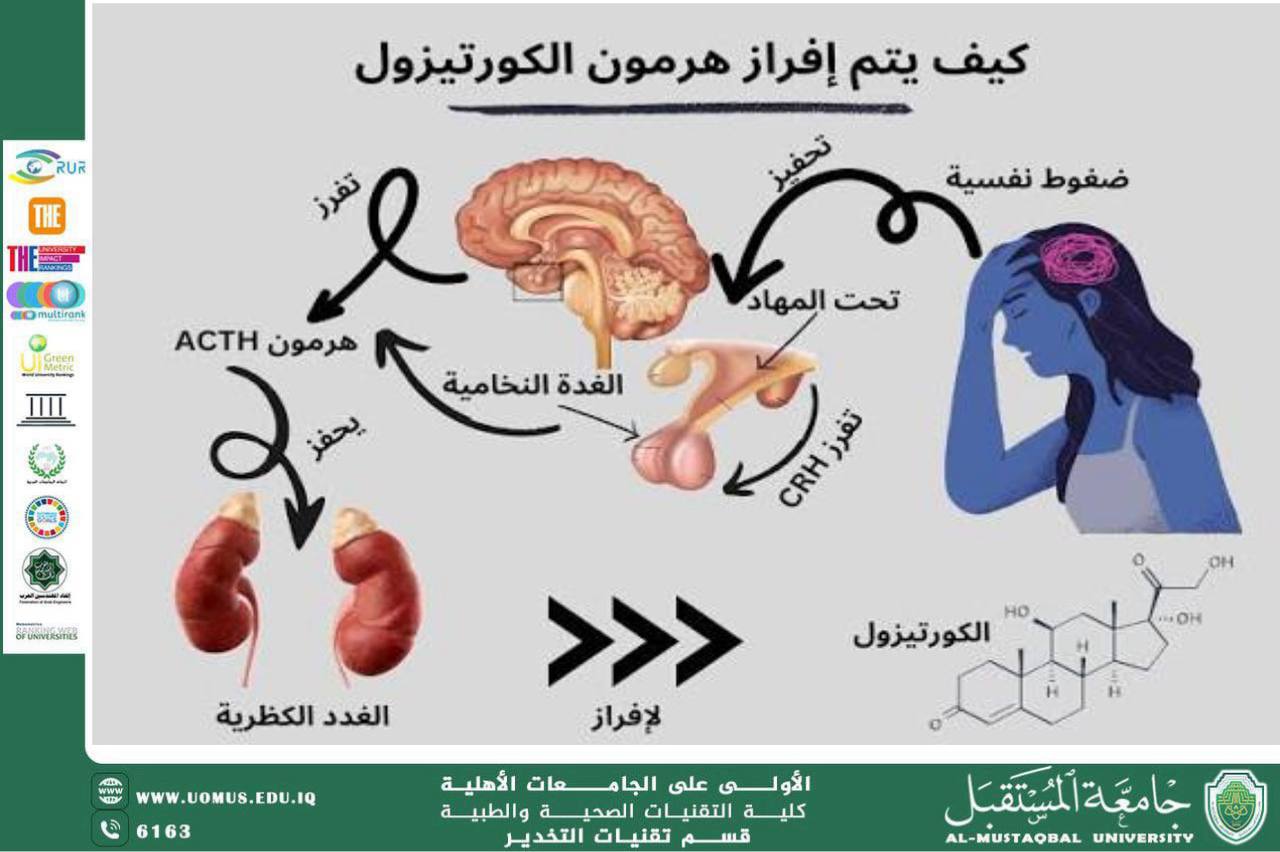
Body weight regulation is a complex process influenced by genetic, behavioral, and hormonal factors. Among the hormones involved, cortisol—often referred to as the “stress hormone”—plays a crucial role in maintaining metabolic homeostasis. Cortisol is released as part of the hypothalamic–pituitary–adrenal (HPA) axis response to stress and is essential for survival during acute stress by mobilizing energy substrates.
While short-term cortisol elevation is adaptive, prolonged exposure to high cortisol levels can lead to adverse metabolic effects. Chronic stress, sleep deprivation, depression, and endocrine disorders such as Cushing’s syndrome are associated with sustained cortisol elevation. Increasing evidence suggests that chronic hypercortisolemia contributes significantly to weight gain, fat redistribution, and the development of metabolic syndrome. This review explores the evidence linking elevated cortisol levels to increased body weight and obesity.
Physiological Role of Cortisol
Cortisol regulates several essential physiological processes, including:
Glucose metabolism through gluconeogenesis
Lipid metabolism and fat distribution
Protein catabolism
Blood pressure regulation
Modulation of immune and inflammatory responses
Under normal conditions, cortisol follows a circadian rhythm, peaking in the early morning and declining at night. Disruption of this rhythm or persistent elevation can negatively affect metabolic balance.
Mechanisms Linking Elevated Cortisol to Weight Gain
1. Increased Appetite and Caloric Intake
Elevated cortisol levels stimulate appetite and increase cravings for energy-dense foods rich in sugars and fats. This behavior contributes to excessive caloric intake and positive energy balance, ultimately leading to weight gain.
2. Promotion of Visceral Fat Accumulation
Visceral adipose tissue expresses a high density of glucocorticoid receptors, making it particularly sensitive to cortisol. Chronic cortisol exposure enhances adipocyte differentiation and lipid storage in the abdominal region, resulting in central obesity, which is strongly associated with cardiometabolic risk.
3. Induction of Insulin Resistance
Cortisol increases hepatic glucose production and reduces peripheral glucose uptake. Prolonged elevation contributes to insulin resistance, hyperinsulinemia, and enhanced fat storage, further promoting weight gain and metabolic dysfunction.
4. Reduction of Lean Muscle Mass
Cortisol promotes protein breakdown in skeletal muscle, leading to reduced muscle mass. Since muscle tissue is a major determinant of basal metabolic rate, its loss lowers energy expenditure and facilitates fat accumulation.
Chronic Stress, Cortisol, and Obesity
Chronic psychological stress leads to sustained activation of the HPA axis and elevated cortisol secretion. Epidemiological and clinical studies have demonstrated a strong association between chronic stress, disrupted sleep patterns, elevated cortisol levels, and increased body mass index (BMI). Individuals exposed to prolonged stress are more likely to develop central obesity, even in the absence of significant increases in caloric intake.
Health Consequences of Elevated Cortisol-Related Weight Gain
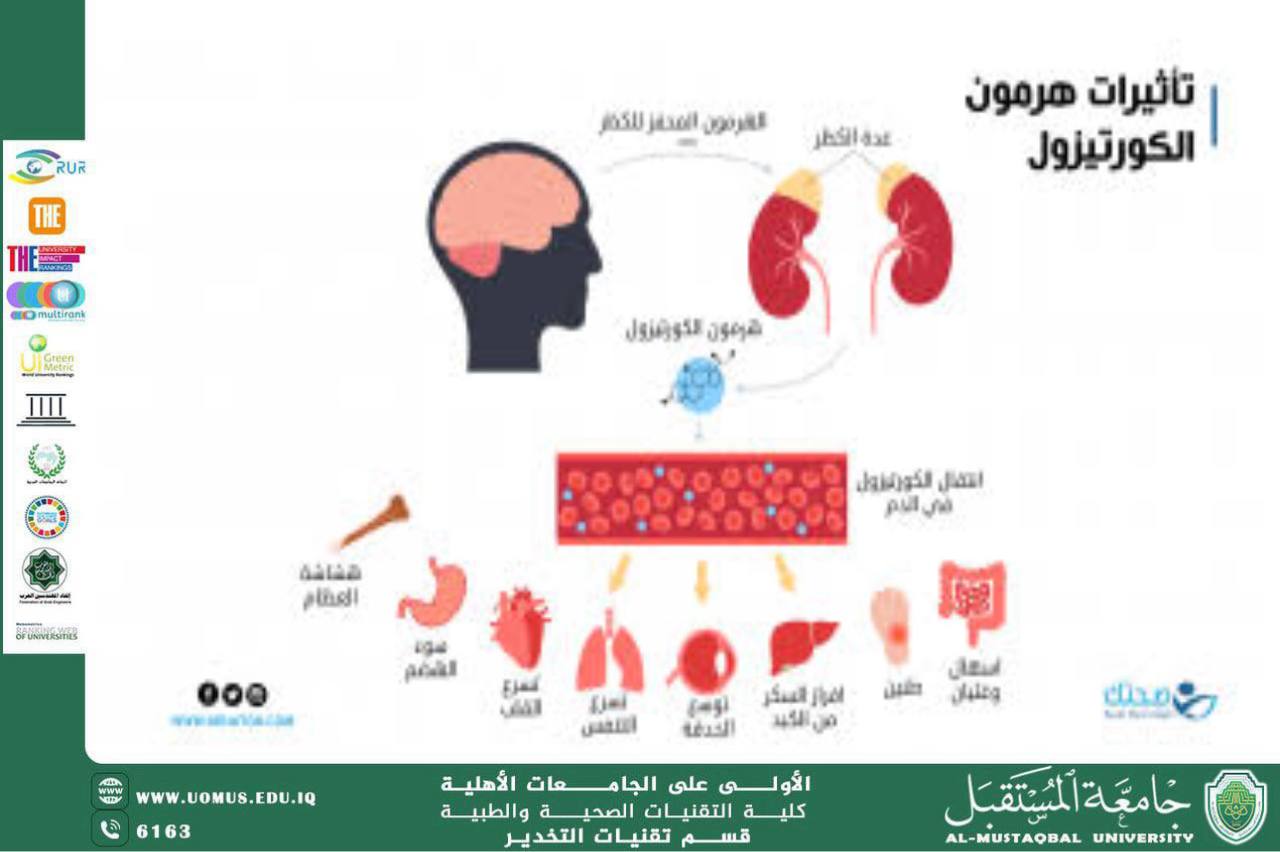
Beyond weight gain, chronic cortisol elevation is associated with several adverse health outcomes, including:
Metabolic syndrome
Type 2 diabetes mellitus
Hypertension
Dyslipidemia
Mood disorders and sleep disturbances
These conditions significantly increase morbidity and mortality, highlighting the importance of cortisol regulation in metabolic health.
Conclusion
Chronic elevation of cortisol plays a significant role in weight gain and the development of central obesity through its effects on appetite regulation, fat distribution, insulin sensitivity, and muscle metabolism. Managing stress, improving sleep quality, engaging in regular physical activity, and adopting healthy lifestyle interventions are essential strategies for mitigating the adverse metabolic effects of elevated cortisol. A deeper understanding of the cortisol–weight relationship may contribute to more effective prevention and treatment approaches for obesity and stress-related metabolic disorders....
Estabraq Rasool
Al-Mustaqbal University
The First University in Iraq.