
Poliomyelitis
Poliomyelitis is a contagious viral disease caused by the poliovirus, which affects the central nervous system and may, in some cases, lead to permanent paralysis or death. Despite significant progress in global immunization programs, the disease still poses a public health threat in some regions. This article aims to review the scientific aspects of poliomyelitis, including its causative agent, mechanism of infection, clinical manifestations, methods of diagnosis, treatment, and prevention, with a particular focus on the role of vaccines in controlling the disease.
Introduction
Poliomyelitis is one of the viral diseases that has received considerable global attention due to its serious impact on children under five years of age. Before the introduction of vaccines, the disease caused widespread epidemics that resulted in paralysis among thousands of children. International efforts, particularly the Global Polio Eradication Initiative, have contributed to reducing the incidence of the disease by more than 99%.
Causative Agent
Poliovirus belongs to the genus Enteroviruses within the family Picornaviridae. There are three main serotypes of the virus (types 1, 2, and 3), with type 1 being most commonly associated with paralytic cases. The virus is primarily transmitted via the fecal–oral route, especially in environments with poor sanitation.
Mechanism of Infection and Transmission
After entering the body through the mouth, the virus multiplies in the pharynx and gastrointestinal tract, and may then spread through the bloodstream to the central nervous system. In a small proportion of infected individuals, the virus crosses the blood–brain barrier and infects motor neurons in the spinal cord, leading to their destruction and resulting in acute flaccid paralysis.
Clinical Manifestations
The clinical manifestations of poliomyelitis vary depending on the severity of infection and include:
• Asymptomatic infection: Occurs in most cases without noticeable symptoms.
• Non-paralytic poliomyelitis: Presents with general symptoms such as fever, headache, sore throat, and muscle pain.
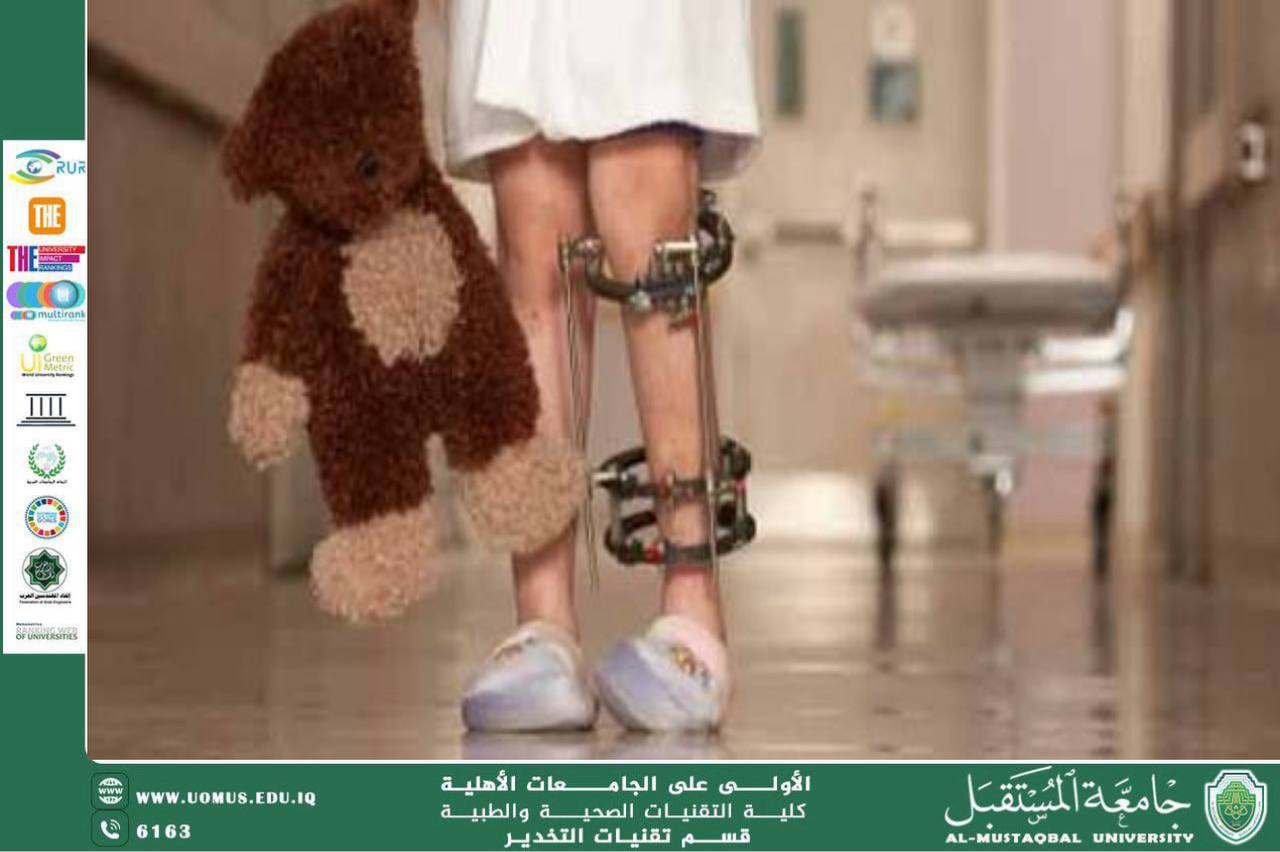
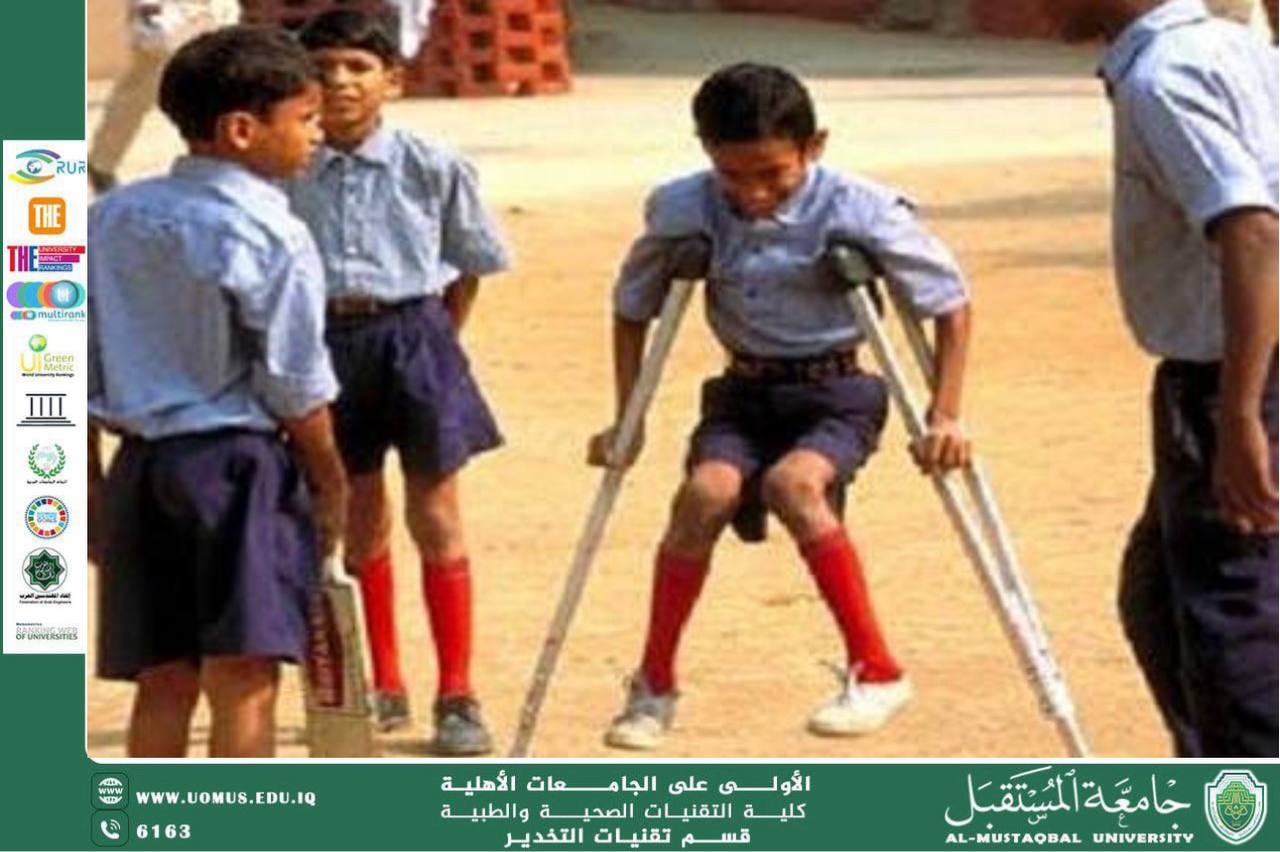
• Paralytic poliomyelitis: Characterized by sudden muscle weakness that may progress to permanent paralysis, most commonly affecting the lower limbs.
Diagnosis
The diagnosis of poliomyelitis is based on clinical evaluation in addition to laboratory investigations, most importantly the isolation of the virus from stool samples. Molecular tests such as polymerase chain reaction (PCR) are also used to confirm the diagnosis and identify the viral serotype.
Treatment
There is no specific antiviral treatment that eliminates poliovirus. Management is limited to supportive care, which includes:
• Relief of pain and fever.
• Physical therapy to prevent muscle and joint deformities.
• Respiratory support in severe cases involving the respiratory muscles.
Prevention
Prevention is the cornerstone of poliomyelitis control and relies primarily on vaccination. There are two main types of vaccines:
• Oral polio vaccine (OPV): Contains a live attenuated virus and contributes to strengthening community immunity.
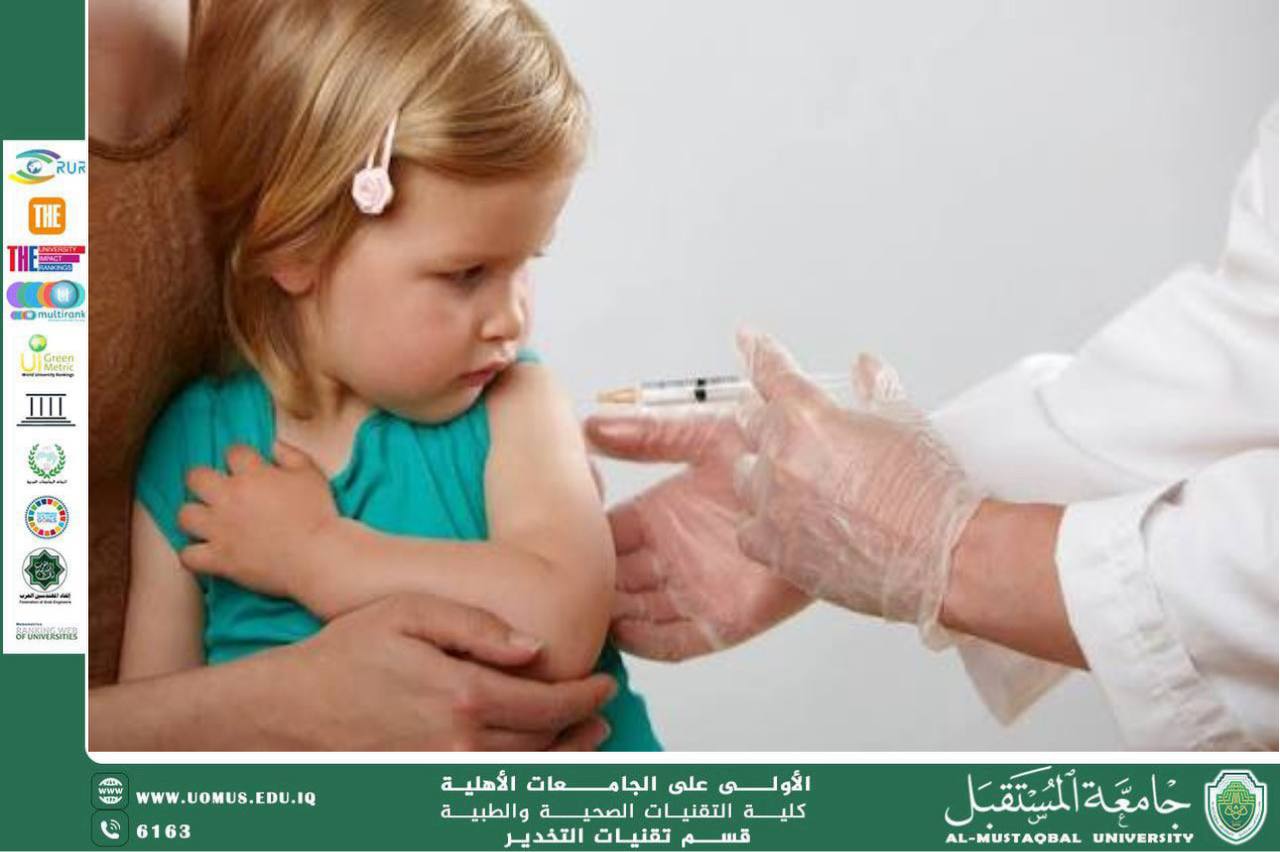
• Inactivated polio vaccine (IPV): Administered by injection and contains an inactivated virus; it is characterized by a high level of safety.
Conclusion
Despite the major successes in reducing the spread of poliomyelitis, complete eradication requires the continued implementation of vaccination programs and epidemiological surveillance, particularly in high-risk areas. Enhancing health awareness, improving health infrastructure, and adhering to routine immunization are essential elements in ensuring a polio-free world.
Al-Mustaqbal University
The First University in Iraq.