Radon Gas as a Source of Radioactive Pollution: Its Health and Environmental Risks and Its Impact on Humans artical by msc fatrima basim
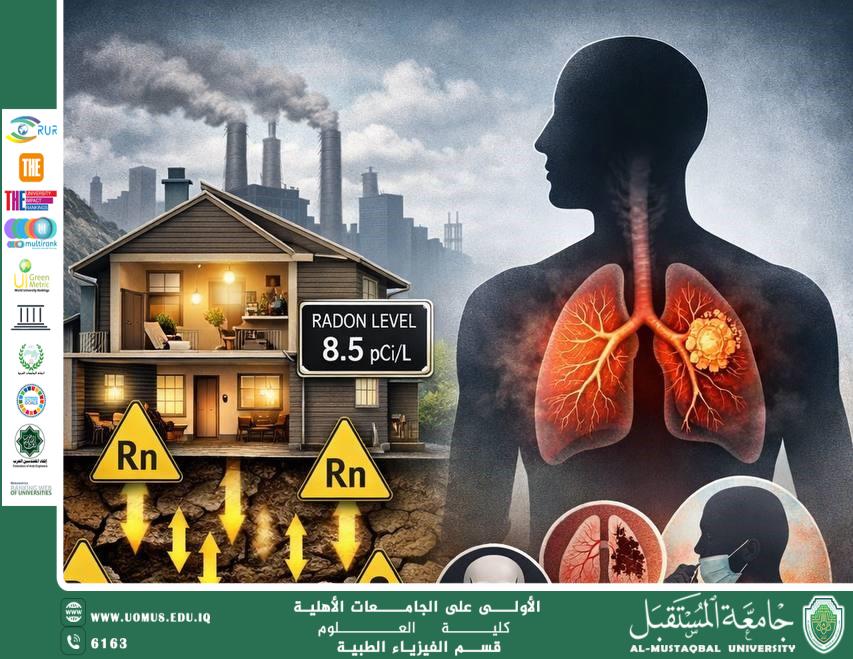
Radon gas is considered one of the most significant sources of natural radioactive pollution that poses a silent threat to human health and the environment. It is a radioactive gas that is colorless, tasteless, and odorless, and it is naturally produced from the radioactive decay of uranium present in soil and rocks. Due to its physical properties, radon gas can seep into residential buildings and workplaces, especially in enclosed areas with poor ventilation, leading to its accumulation at concentrations that may be hazardous to humans.
Radon Gas as a Source of Radioactive Pollution
Radon gas belongs to the noble gases group and is characterized by its lack of chemical reactivity with other elements. However, its danger lies in its radioactive activity. When radon decays, it emits alpha particles, which are high-energy particles capable of causing severe damage to living cells when inhaled. Radon is considered one of the largest natural contributors to the radiation dose received by humans during their daily lives.
Health Risks of Radon Gas
The health risks associated with radon gas primarily affect the respiratory system. Scientific studies indicate that long-term exposure to high concentrations of radon increases the risk of developing lung cancer, making it the second leading cause of lung cancer after smoking. The risk is even higher among smokers due to the cumulative effect of cigarette smoke and radon radiation. Continuous exposure may also lead to reduced lung efficiency and cellular changes that can develop over time into serious diseases.
Environmental Effects of Radon Gas
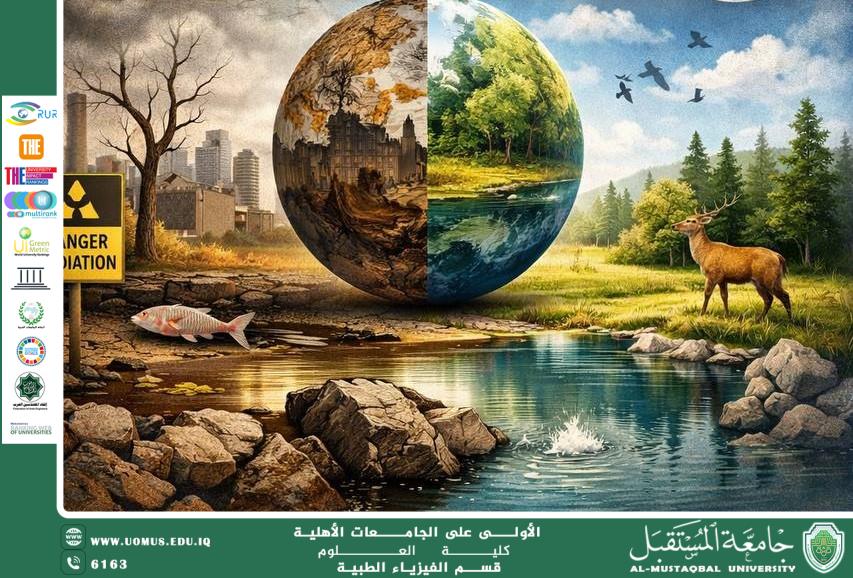
The effects of radon gas are not limited to human health but also extend to the surrounding environment. Radon spreads through air, soil, and groundwater, and it can affect environmental balance in areas with elevated concentrations. Moreover, its infiltration from the soil into buildings indicates the presence of natural radioactive pollution that may require preventive measures, particularly in residential areas located near geological formations rich in uranium.
Impact of Radon Gas on Humans and Prevention Methods
Humans are primarily affected by radon gas through inhalation, as its decay products enter the lungs and attach to lung tissues, causing gradual damage. To reduce its negative effects, health organizations recommend measuring radon levels in homes and workplaces, improving ventilation systems, sealing cracks in floors and walls, and using appropriate insulation techniques in modern buildings.
Conclusion
In conclusion, radon gas represents a significant environmental and health challenge due to its nature as a natural source of radioactive pollution that cannot be detected without scientific measurement. This highlights the importance of raising awareness about its health and environmental risks and the necessity of implementing preventive measures to reduce its impact on humans, thereby protecting public health and ensuring a safe environment for future generations.
AL_mustaqbal University is the first university in Iraq.