The Evolution of Artificial Intelligence and the Transformation of the Work Environment artical by noor firas
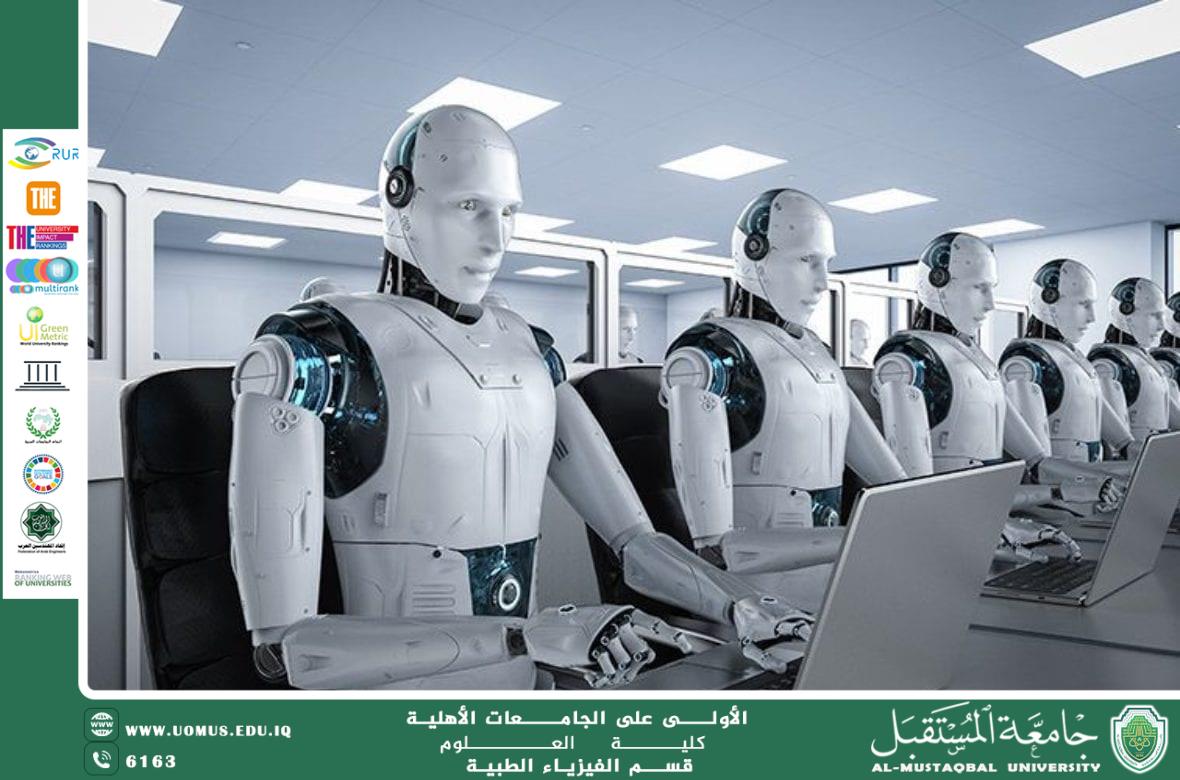
Artificial intelligence has witnessed rapid development over recent decades, becoming one of the main drivers of change in the modern work environment. Organizations have shifted from traditional systems to intelligent technologies capable of learning, analyzing, and decision-making, which has fundamentally reshaped job structures and professional practices.
This development has led to a significant transformation in the workplace, as automation and intelligent systems have become integral to daily operations across various sectors, including industry, services, healthcare, education, and finance. Work is no longer solely dependent on human effort but increasingly relies on the integration of human intelligence and machine capabilities.
Artificial intelligence has contributed to improving efficiency and productivity by reducing the time and effort required for routine tasks, allowing employees to focus on creative and analytical work. It has also enhanced accuracy and minimized human errors, particularly in tasks involving large volumes of data.
At the same time, this transformation has introduced new challenges to the labor market, most notably the decline of certain traditional jobs and the growing demand for new skills compatible with the digital era. Continuous learning and professional reskilling have become essential to keep pace with the rapidly evolving work environment.
Moreover, artificial intelligence has redefined the concept of the workplace through the expansion of flexible and remote work models supported by digital platforms and intelligent systems. This shift has improved work–life balance and created global employment opportunities beyond geographical boundaries.
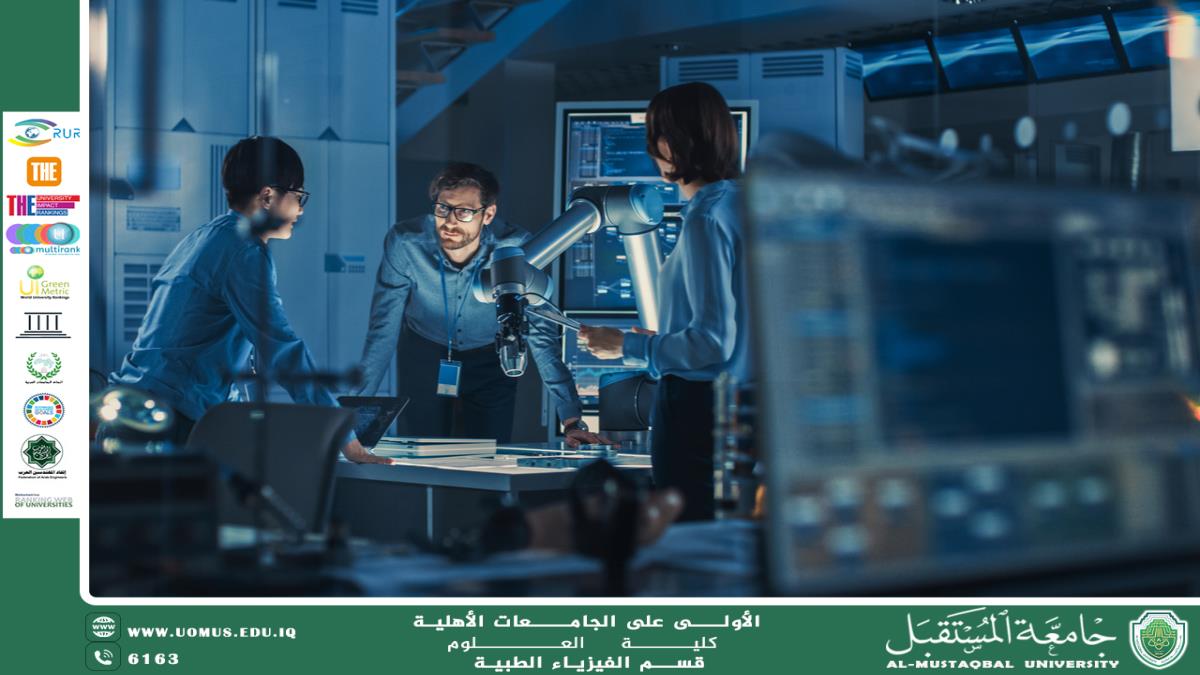
Despite these advancements, the human element remains central to the future work environment. Artificial intelligence cannot replace human creativity, critical thinking, or ethical judgment. Therefore, investing in human capital and fostering adaptable work environments is crucial to achieving sustainable progress.
In conclusion, the evolution of artificial intelligence represents not a threat to the work environment but an opportunity to rebuild it on more efficient and innovative foundations, provided that this transformation is guided by a strategic vision that balances technological advancement with sustainable human development.
SDG 8: Decent Work and Economic Growth
SDG 9: Industry, Innovation, and Infrastructure
Almustaqbal University is the first university in Iraq.