
"A Scientific Article by Lecturer Assistant Zainab Nazim Aziz Titled: “Lemon Cucumber
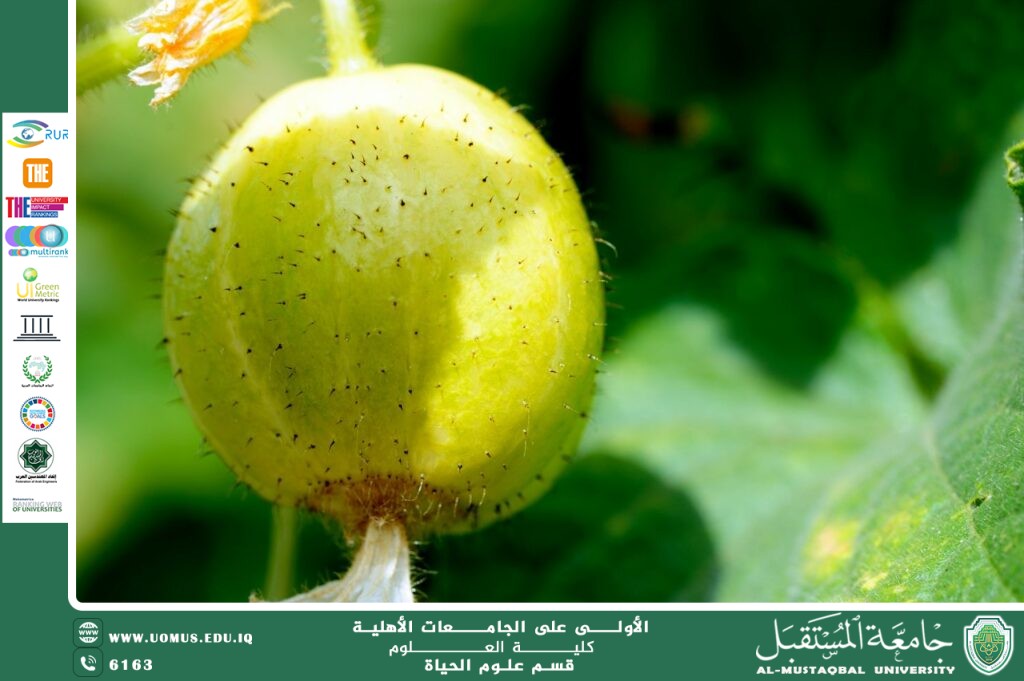
Lemon cucumber is a distinctive and relatively uncommon variety of cucumber, scientifically known as Cucumis sativus, and belongs to the Cucurbitaceae family. It is characterized by its round shape and yellow color resembling a lemon, although its taste is mild, refreshing, and free from acidity.
Botanical Description
Lemon cucumber is an annual herbaceous plant that grows in a creeping or climbing habit. It has long stems covered with coarse hairs and broad, lobed leaves. The fruits are round to oval in shape, with a diameter ranging from 6 to 8 cm. Their color changes from light green to yellow upon ripening, and the flesh contains small, edible seeds.
Nutritional Value
Lemon cucumber is rich in water and contains important nutrients, including:
Vitamins: C, A, and K
Minerals: Potassium and magnesium
Dietary fiber
Antioxidants
It is also low in calories, making it suitable for healthy dietary plans.
Health Benefits
Helps maintain body hydration
Enhances digestive health
Contributes to regulating blood pressure
Supports skin health
Aids in weight loss when included in diet programs
Cultivation and Environmental Requirements
Lemon cucumber grows well in warm and temperate regions and requires:
Fertile, well-drained soil
Direct exposure to sunlight
Regular irrigation without waterlogging
Plant support when grown vertically
Fruits begin to mature approximately 60–70 days after planting.
Uses
Lemon cucumber is commonly used in:
Fresh salads
Pickling
Food garnishing
Consuming fresh as a light snack
It is distinguished by its thin skin and mild flavor that appeals to a wide range of tastes.
Conclusion
Lemon cucumber is a unique edible plant that combines an attractive appearance, a refreshing taste, and multiple health benefits, making it an excellent choice for home cultivation and dietary diversity.
Al-Mustaqbal University is the First University in Iraq
الهدف الرابع : التعليم الجيد