Postmortem Blood Microbiome Changes as a Tool for Crime Timing (Asst. Lect. Bushra Hussein Atiyah)
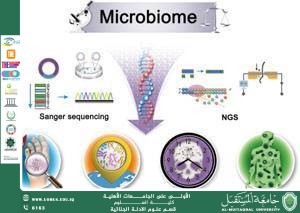
After death, human blood undergoes specific biological changes due to microbial activity. This emerging field, known as the forensic blood microbiome, is still underutilized in criminal investigations.
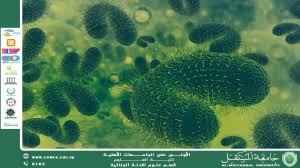
Anaerobic bacteria such as Clostridium species begin to proliferate within blood vessels due to immune system shutdown. The pattern and rate of microbial growth vary depending on time, temperature, and environmental conditions.
Using 16S rRNA bacterial DNA sequencing, forensic scientists can:
• Estimate the postmortem interval with higher accuracy
• Distinguish relocated bodies from original death scenes
• Strengthen temporal evidence in complex forensic cases
This method provides a precise biological clock rooted in microbiology.
Al-Mustaqbal University, the first university in Iraq
SDG4