Genetic Stress Response as a Hidden Forensic Evidence (Asst. Lect. Bushra Hussein Atiyah)
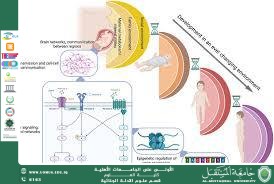
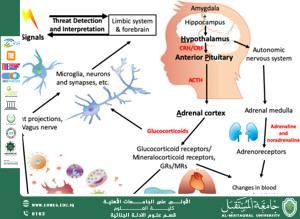
The analysis of stress-induced gene expression represents an emerging field in forensic biology. When a human body is exposed to extreme physical or psychological stress—such as strangulation, assault, or acute trauma—specific genes alter their expression patterns, particularly in blood cells and neural tissues.
Genes such as HSP70, FOS, and JUN show significant upregulation during acute stress events. These changes can be detected using RT-PCR and RNA profiling techniques from biological samples collected during forensic investigations.
This approach assists forensic experts in:
• Differentiating accidental injuries from intentional violence
• Supporting evidence of pre-mortem assault
• Reconstructing the physiological state of the victim prior to death
This integration of molecular biology and forensic science offers a powerful, tamper-resistant form of biological evidence.
Al-Mustaqbal University, the first university in Iraq
SDG4