An article titled "Designing Innovative Artificial Respirators for Emergencies" by Engineer Zainab Ali Jabr
Mechanical ventilators are among the most important medical devices in emergency and intensive care settings, helping patients with respiratory distress or respiratory arrest to function normally. With the rise in medical emergencies and pandemics like COVID-19, there is an urgent need to develop more efficient, portable, and user-friendly ventilators. Designing these devices requires integrating engineering knowledge with medical physiology to ensure safe and effective oxygen delivery and accurate monitoring of lung function.
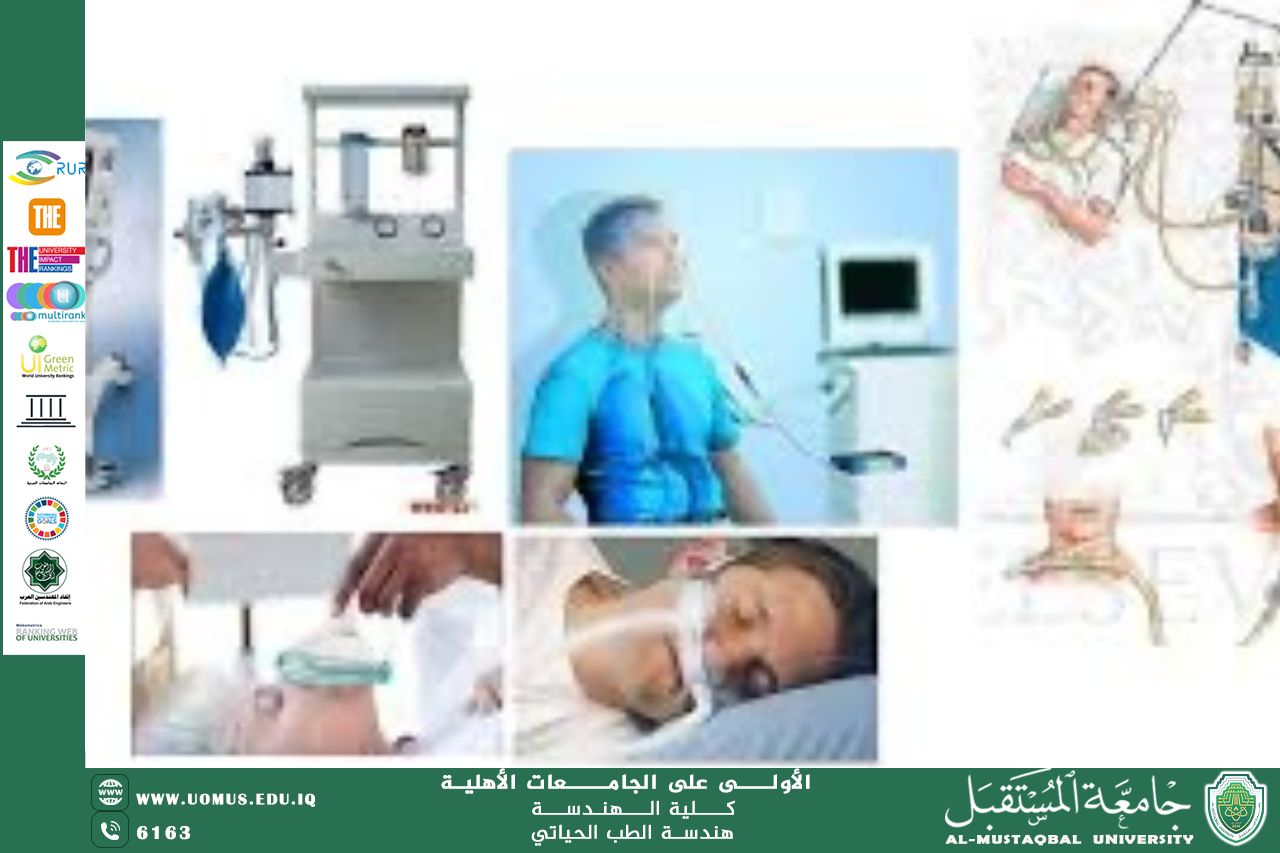
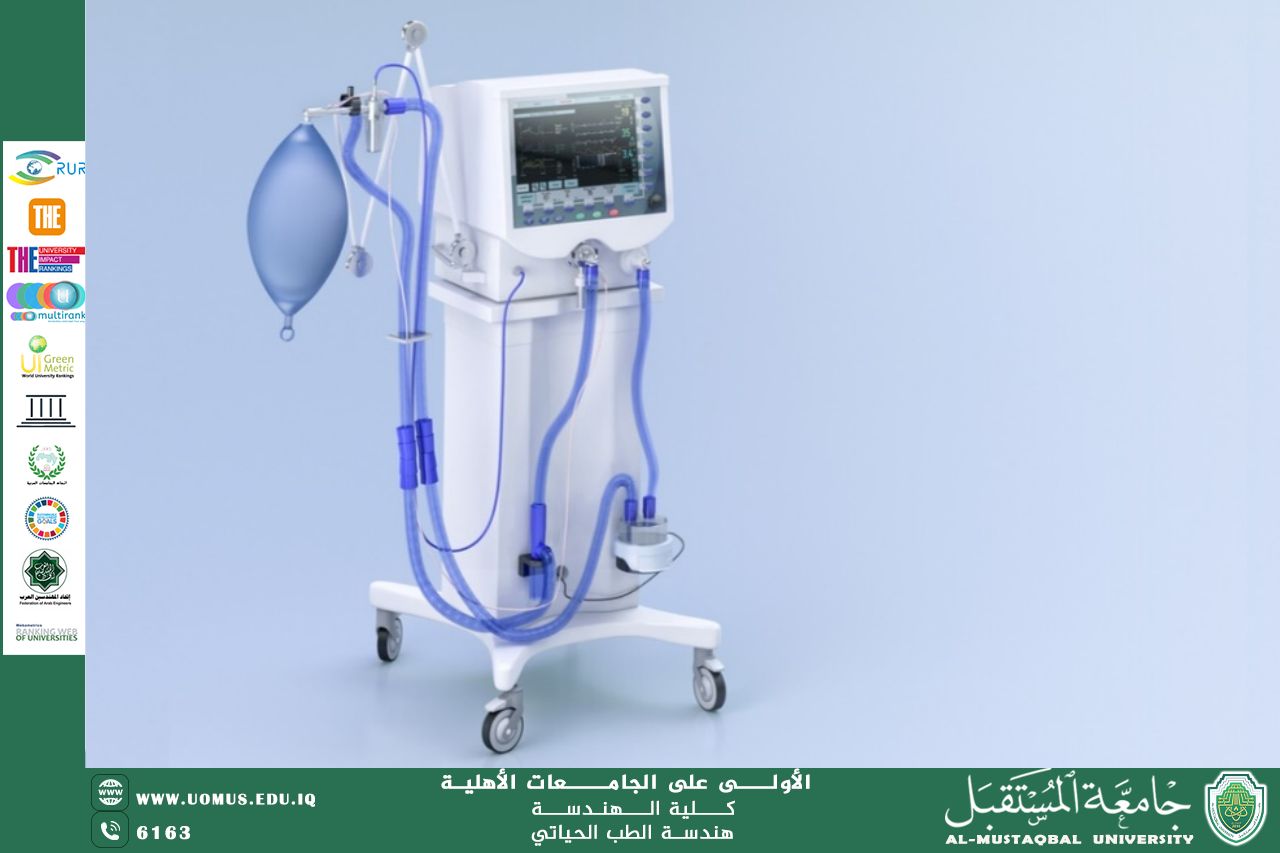
Medical ventilators work by pumping oxygen-rich air into the patient's lungs in a controlled manner while removing carbon dioxide. Innovative ventilator designs focus on:
• Intelligent control: Using sensors to monitor lung pressure and oxygen levels and automatically adjust ventilation.
• Ease of use: Suitable for use in emergencies or for medical transport outside the hospital.
• Portable size and sustainable power: Small devices that can operate for extended periods without requiring a large power source.
Article Objectives:
1. To review current challenges in the design of emergency ventilators.
2. To examine recent innovations in portable and intelligent ventilators. 3. Providing engineering solutions to improve device efficiency and ease of use in emergency situations.
4. Analyzing the importance of integrating biomedical engineering with live data to continuously monitor device performance.
Innovative ventilators play a vital role in saving patients' lives in emergencies, and improving their design combines efficiency, safety, and ease of use. The future lies in integrating smart technologies for better patient monitoring and increased care effectiveness.