An article titled "Biometrics in Disease Diagnosis" By Engineer Zainab Ali Jabr
The medical field is witnessing significant advancements thanks to technological and engineering progress, particularly in biomedical engineering. One of the most prominent of these advancements is the use of biometrics, a fundamental tool in disease diagnosis and monitoring human health. Biometrics relies on recording and analyzing signals emitted by the human body, helping physicians understand vital functions more accurately and make more effective treatment decisions.
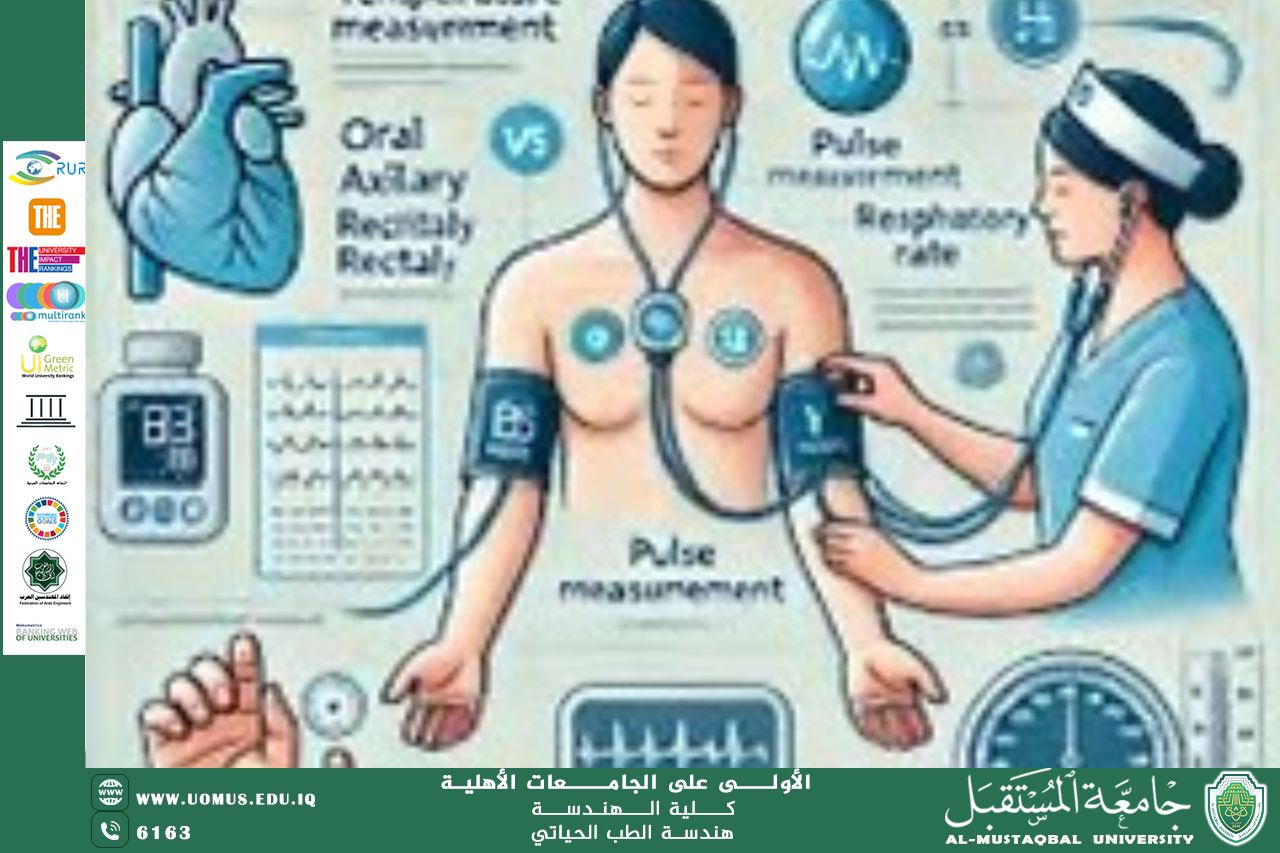
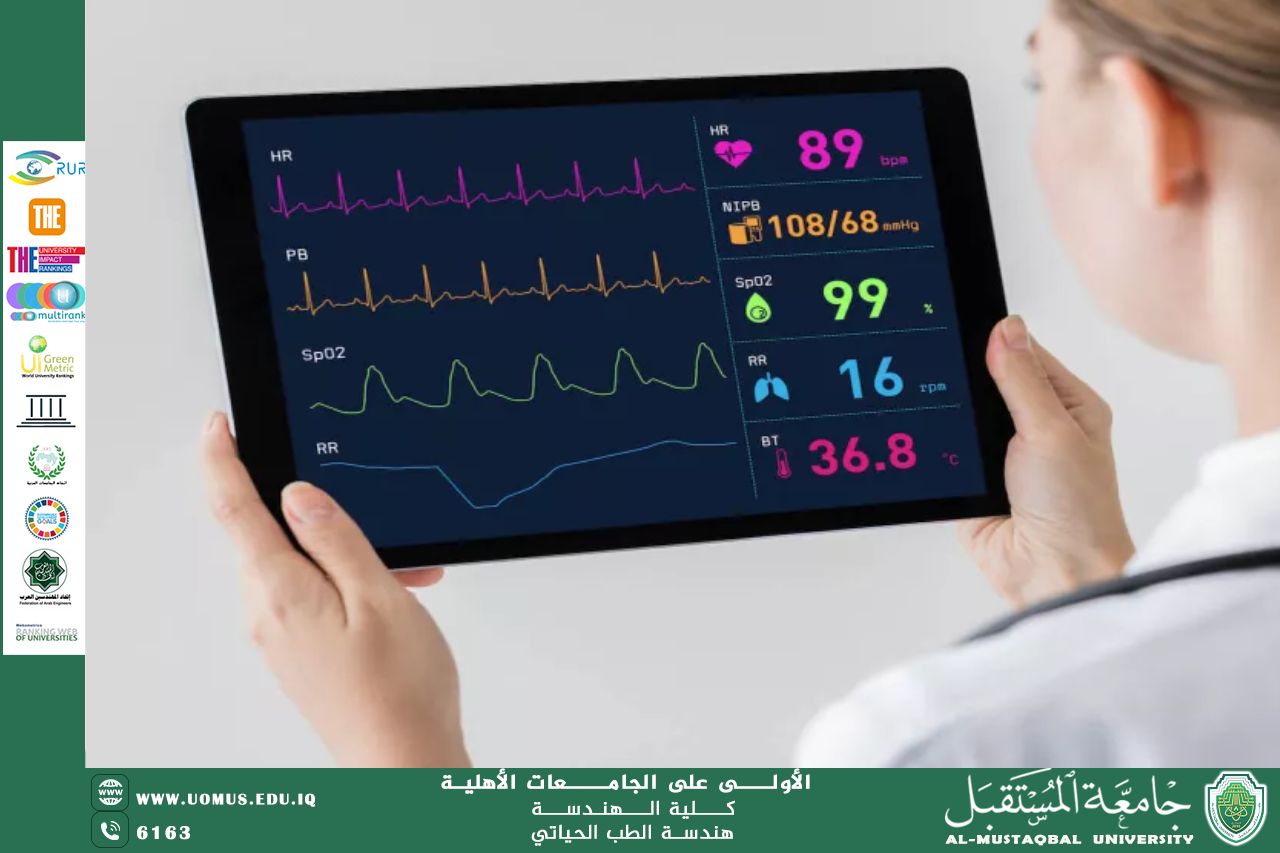
Biometrics involves measuring vital signals and phenomena in the human body, such as heart rate, blood pressure, electroencephalography (EEG), and electromyography (EMG). These measurements are obtained using sophisticated medical devices and sensors, then analyzed to extract crucial diagnostic information.
The Importance of Biometrics in Disease Diagnosis
Biometrics plays a pivotal role in diagnosing many diseases, contributing to:
• Early detection of diseases before the onset of obvious symptoms.
• Continuous monitoring of patients' health progress.
• Reducing medical errors by providing accurate data.
• Assisting physicians in selecting the most appropriate treatment for each case.
The Role of Biomedical Engineering
Biomedical engineers work to design and develop biometric devices and improve their accuracy and efficiency. They also contribute to the development of software that analyzes vital signs using modern technologies such as artificial intelligence and machine learning, enhancing diagnostic accuracy and speeding up results. Challenges Associated with Biometrics
Despite its significant benefits, biometrics faces several challenges, including:
• The susceptibility of vital signs to noise and interference.
• The need for precise and sometimes expensive equipment.
• Protecting the privacy and security of patients' medical data.
In conclusion, biometrics is a fundamental element in the development of modern medical diagnostics, providing accurate information that contributes to improving the quality of healthcare. Biomedical engineering has helped develop these measurements, making them more efficient and reliable. As scientific advancements continue, biometrics is expected to play an even greater role in preventive and personalized medicine, contributing to improved human health and saving more lives.