Intelligent Algorithms and Their Impact on the Future of Education
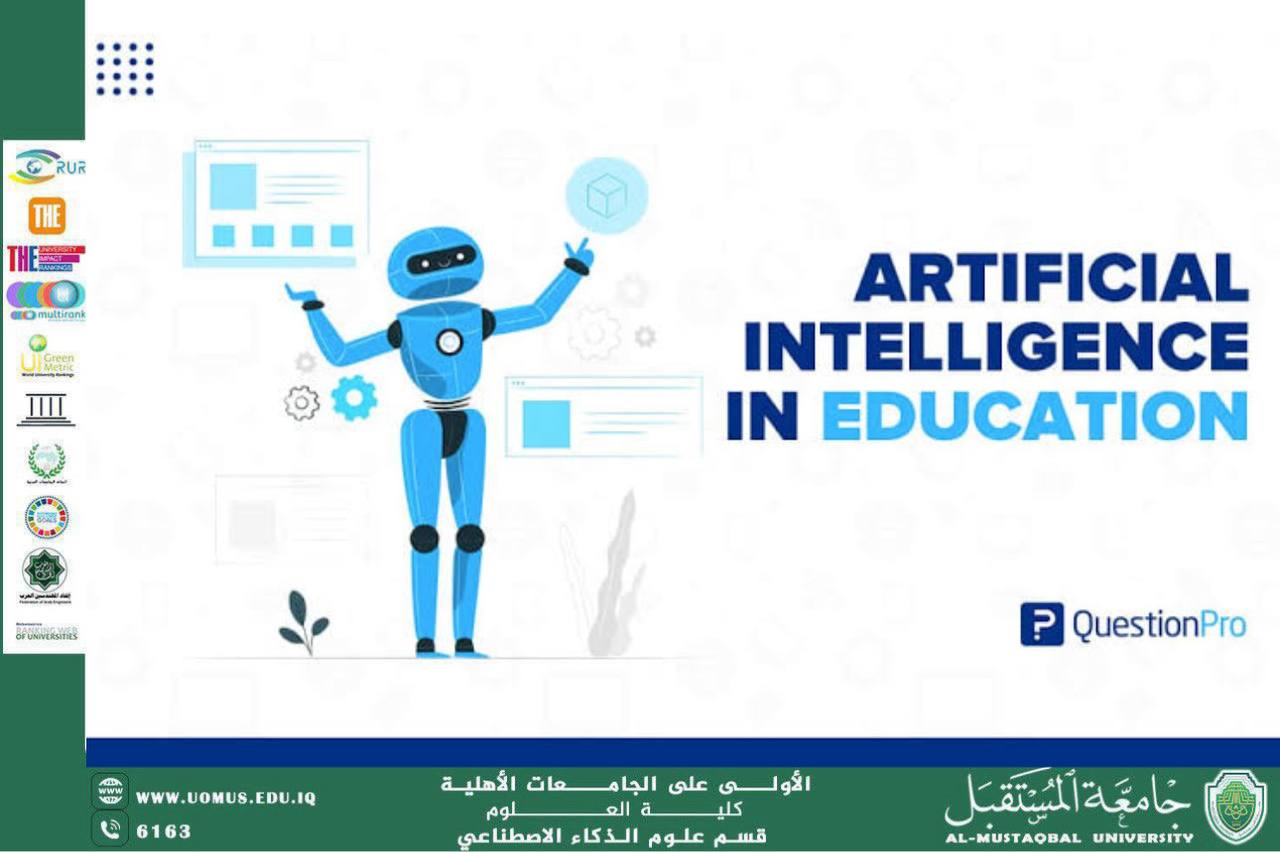
The education sector is undergoing rapid transformation due to the significant advancement of artificial intelligence technologies, particularly intelligent algorithms, which have become a core component of modern educational systems. These algorithms rely on data analysis and intelligent decision-making, contributing to improved educational quality and enhanced learning efficiency.
Intelligent algorithms play a crucial role in personalized learning, as they analyze students’ performance and learning styles to deliver educational content tailored to individual needs. This approach increases student engagement and leads to better learning outcomes.
Furthermore, intelligent algorithms contribute to automated assessment and academic monitoring by grading exams, analyzing student performance, and predicting academic progress or learning difficulties. This enables instructors to intervene early and provide appropriate support.
Another significant aspect is the role of intelligent algorithms in improving educational institution management, such as scheduling, resource allocation, and supporting academic and administrative decision-making based on accurate data.
Despite these advantages, the use of intelligent algorithms in education raises challenges related to data privacy, fairness, and transparency. Therefore, ethical and regulatory frameworks are essential to ensure responsible and equitable implementation.
In conclusion, intelligent algorithms represent the future of education, offering substantial opportunities to enhance teaching and learning methods and to create more efficient, flexible, and student-centered educational environments.