Intelligent Robots and Their Applications in Various Industries
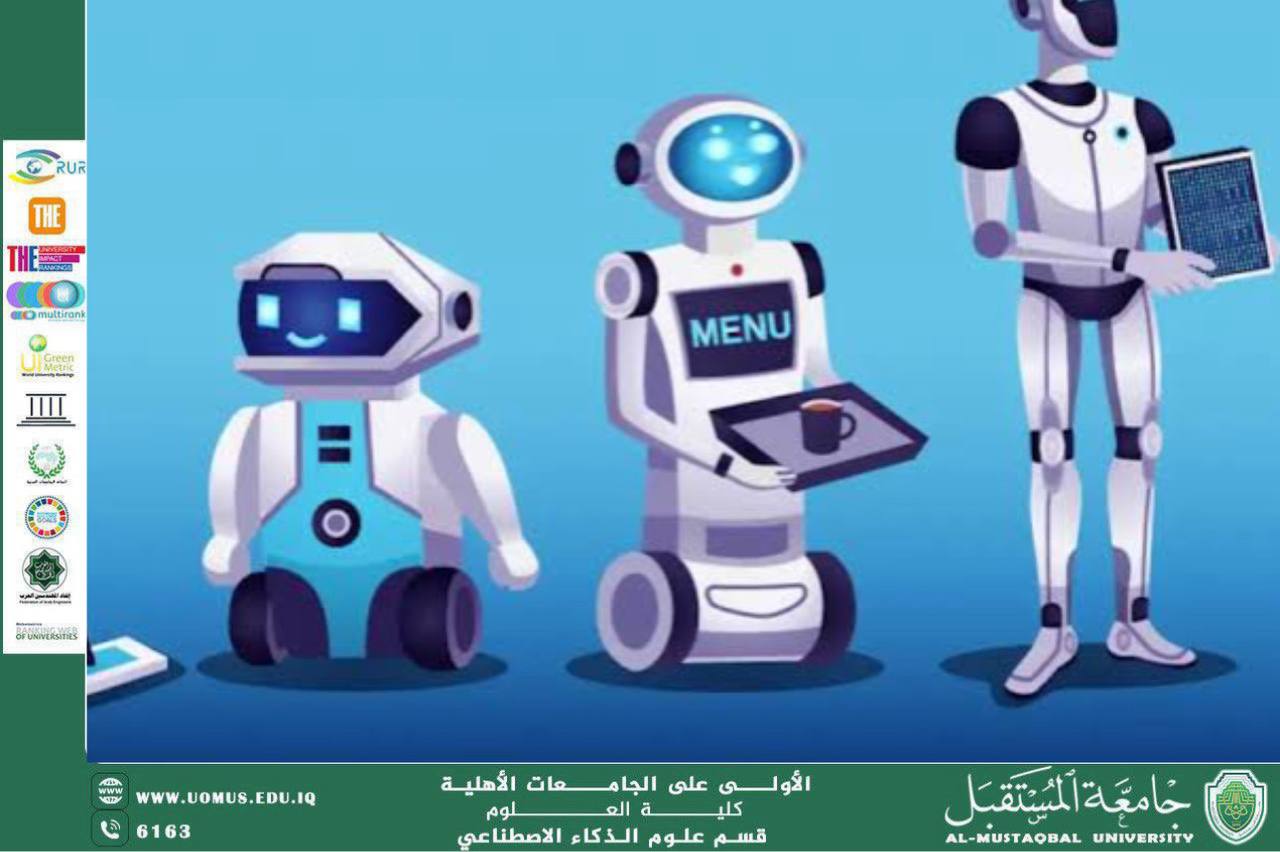
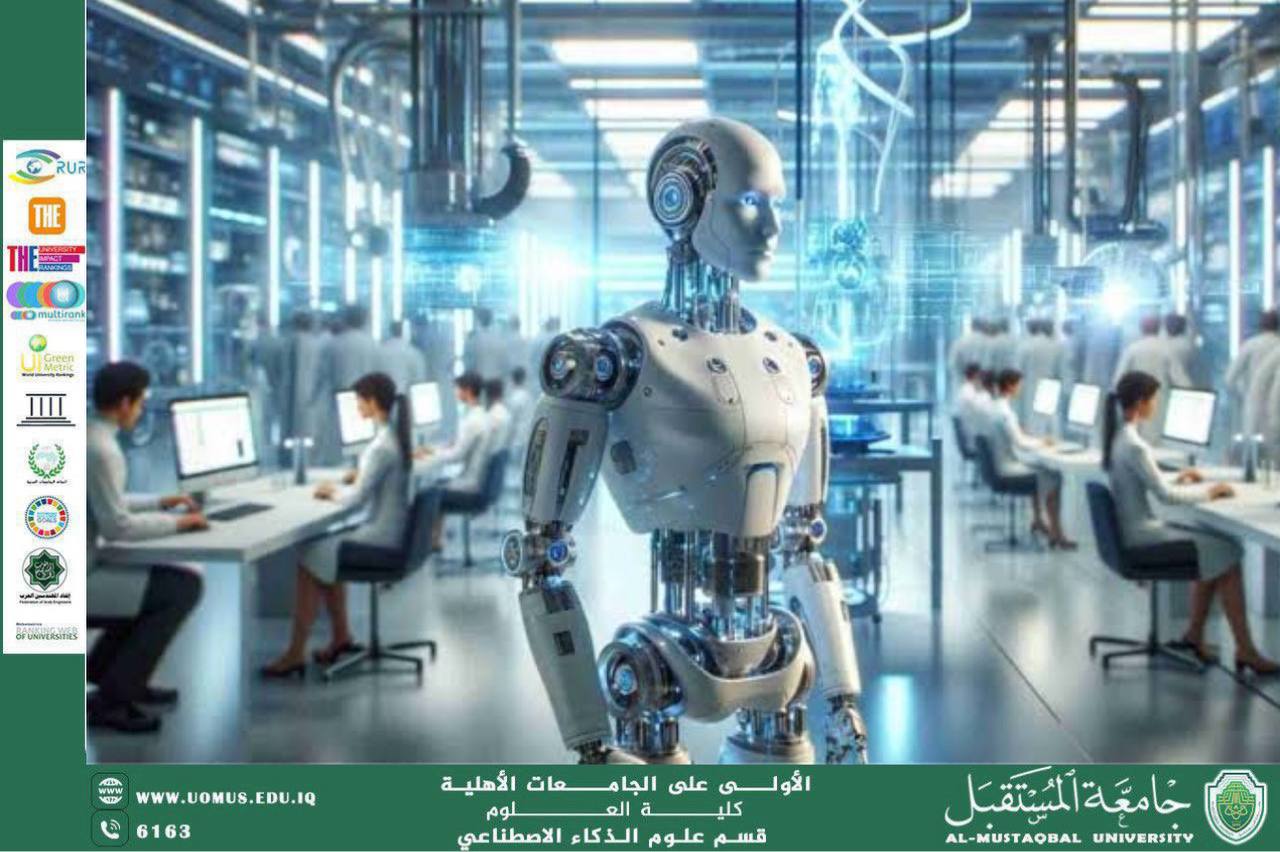
Intelligent robots have become one of the most significant manifestations of technological advancement in the modern era, playing a pivotal role in the development of various industries. These robots rely on artificial intelligence technologies and advanced sensors, enabling them to perform tasks with high precision and make intelligent decisions based on data analysis.
In the manufacturing industry, intelligent robots are widely used in production lines for assembly, welding, and inspection processes. This enhances productivity, improves product quality, reduces human error, lowers costs, and increases workplace safety.
In the medical sector, intelligent robots have contributed to the advancement of healthcare services through their use in precise surgical procedures, rehabilitation, and patient care. These applications have improved surgical accuracy and reduced recovery time.
In agriculture, intelligent robots are utilized for crop monitoring, smart irrigation, and harvesting, leading to increased agricultural efficiency and optimized resource usage. Additionally, robots have expanded into logistics and service industries, where they are used in warehouses, delivery services, and inventory management.
Despite their numerous advantages, intelligent robot applications face challenges related to high costs, the need for skilled personnel, and ethical and regulatory concerns. Nevertheless, the future of intelligent robots remains promising, offering innovative solutions that will continue to transform various industries.