The Impact of Electronic Games on Learning Programming and Computer Technologies
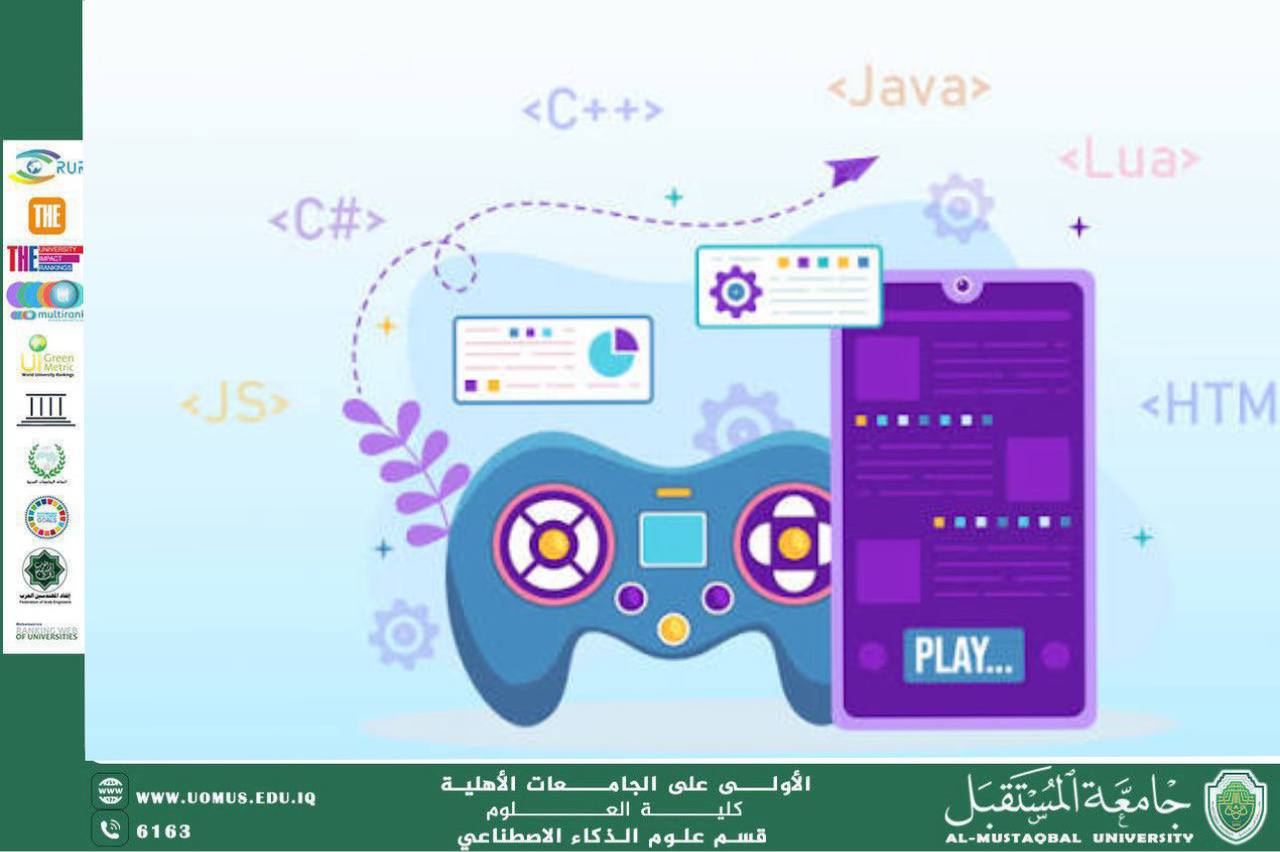
Electronic games have become more than just a source of entertainment; recent studies show that they play a significant role in enhancing programming skills and computer technologies among students and beginners in the field of information technology. Some educational games provide interactive environments that allow users to write code and solve problems in an engaging way, which increases practical learning abilities.
Electronic games contribute to developing critical thinking and problem-solving skills, as players face programming challenges that require analysis, debugging, and logical solution design. They also enhance focus and patience, two essential skills for any programmer or software developer.
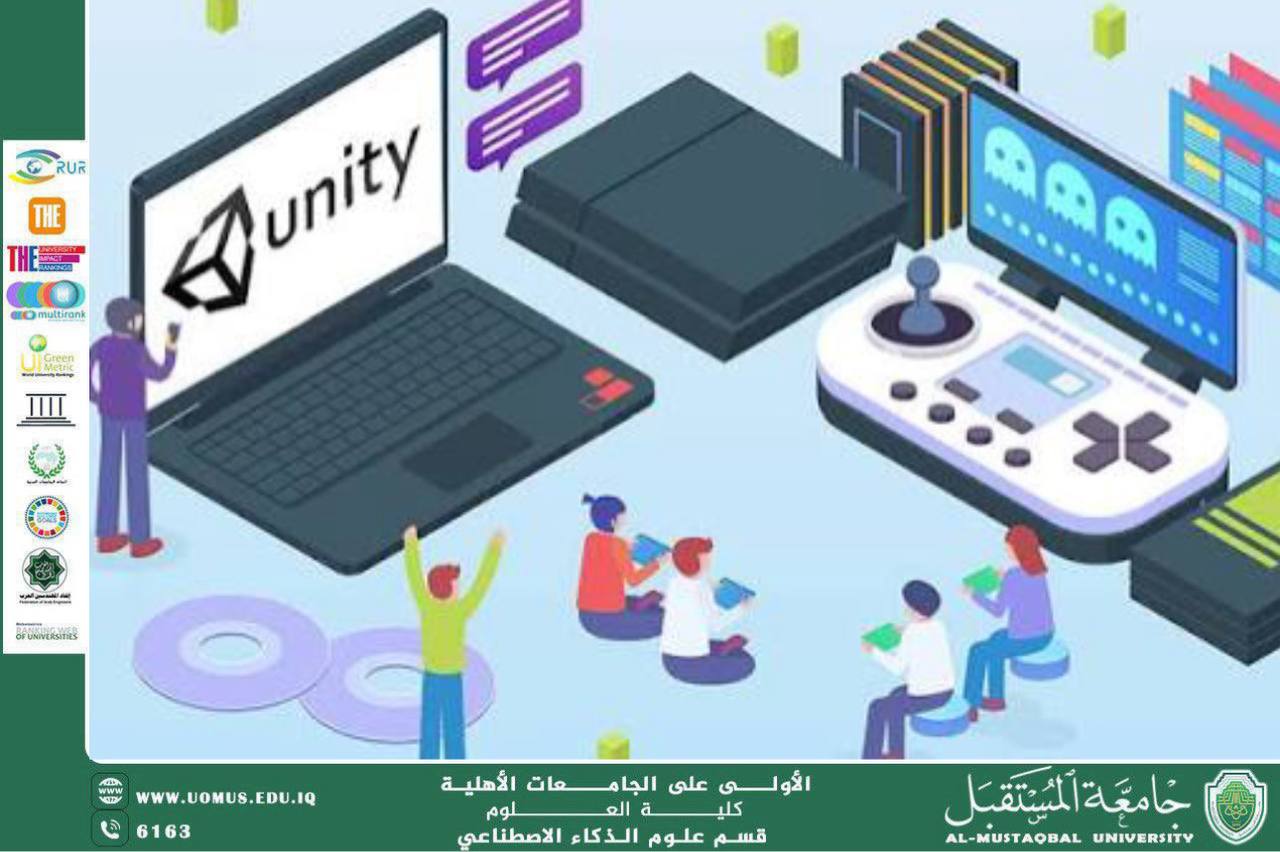
Additionally, some games provide realistic simulations of computer technologies and networks, allowing users to practice coding, manage databases, design games, and even test artificial intelligence algorithms. This type of interactive learning enhances comprehension and practical understanding beyond traditional theoretical methods.
Despite these benefits, electronic games should be used in a balanced and mindful manner to avoid excessive time consumption or negative impact on studies. When used effectively, these games can serve as powerful educational tools that help prepare a generation of skilled programmers and developers proficient in modern computer technologies.